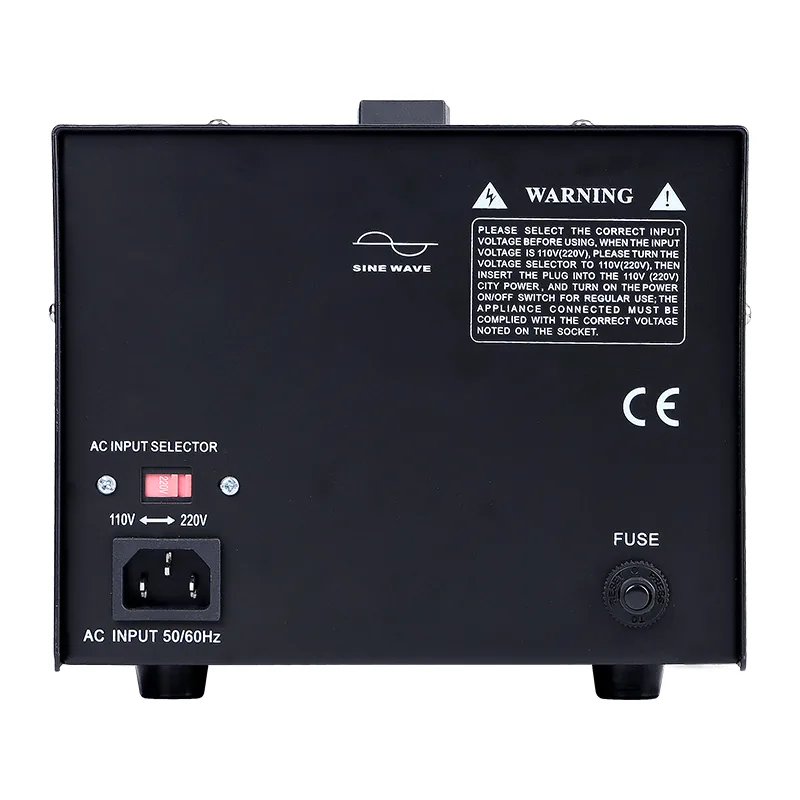
Step Down Transformer for Rice Cooker: 220V to 110V
The rice cooker is the most-used appliance in millions of Asian kitchens, and a huge share of them are 100V Japanese models brought home or imported. A 100V rice cooker plugged into a 220V wall is a dead rice cooker. The step down transformer between them is a small box that keeps dinner on time, every night. This guide covers sizing, the 100V versus 110V question, and the details that matter when the cooker is your family workhorse.
The 100V question
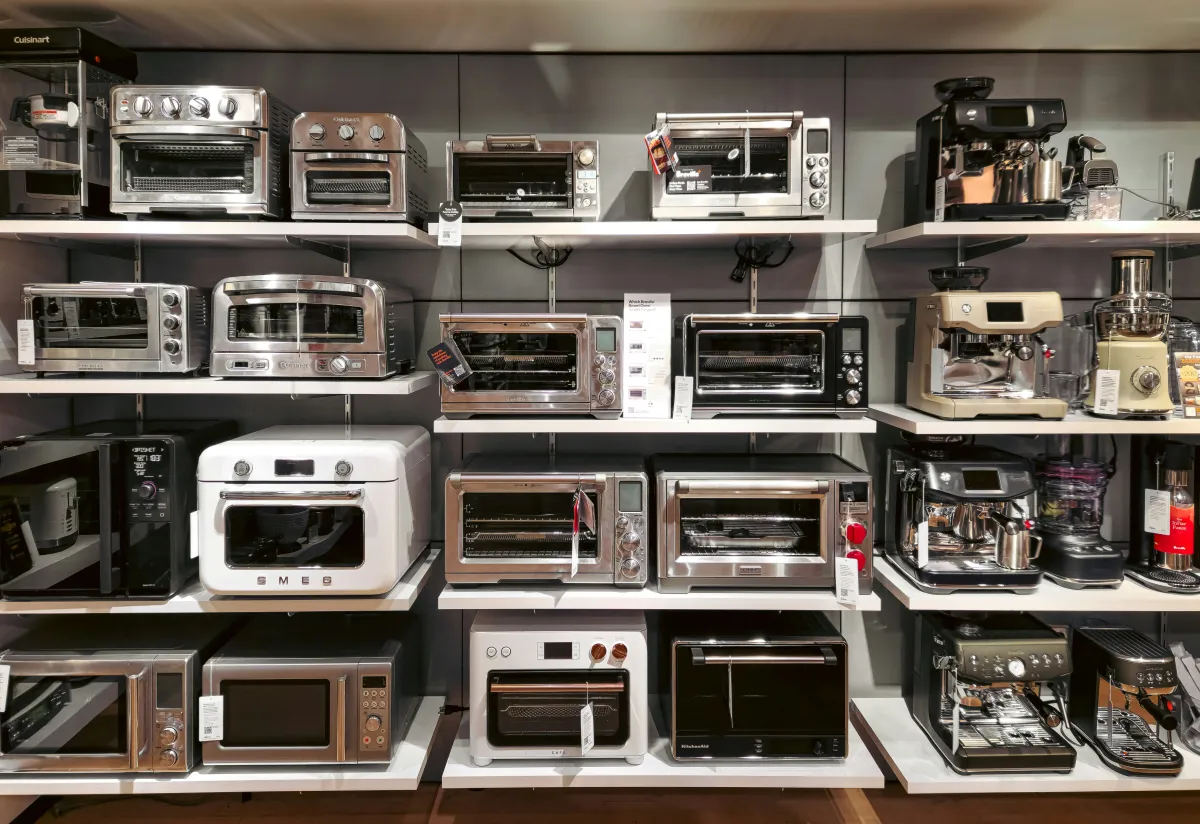
Here is the thing most people get wrong: Japanese appliances are rated 100V, not 110V. US appliances are 110-120V. A transformer that delivers 110V output is fine for most 100V devices — the tolerance is usually generous — but a 100V rice cooker is a heating device with a thermostat, and it performs best when the voltage matches its design. If you are buying a transformer specifically for Japanese cookers, order one with a 100-110V tap so the output can be set closer to 100V.
Wilmall winds the ST series secondary with a 100V / 110V tap as an option, so one transformer serves both Japanese and US appliances from the same household. It costs nothing extra at the factory and it is the right call for any home with mixed appliances.
Step down transformer size for rice cooker
| Cooker type | Wattage | Duty | Recommended transformer |
|---|---|---|---|
| Small rice cooker (1-3 cups) | 300-500W | 15-25 min cycles | 500-1000VA |
| Family rice cooker (5-6 cups) | 500-800W | 20-35 min cycles | 1000VA |
| Large / commercial cooker | 800-1500W | long cycles | 2000VA |
| Cooker + warmer + other appliances | combined | simultaneous | 2000-3000VA |
A 5-cup family cooker at 600W runs comfortably on the ST-1000, and the ST-1500 gives extra headroom if the cooker shares the transformer with a small appliance. Large commercial cookers used in restaurants and canteens need the ST-2000 or larger. The keep-warm function runs at low power for hours, which the transformer handles easily — it is a light continuous load.
Why rice cookers deserve a good transformer
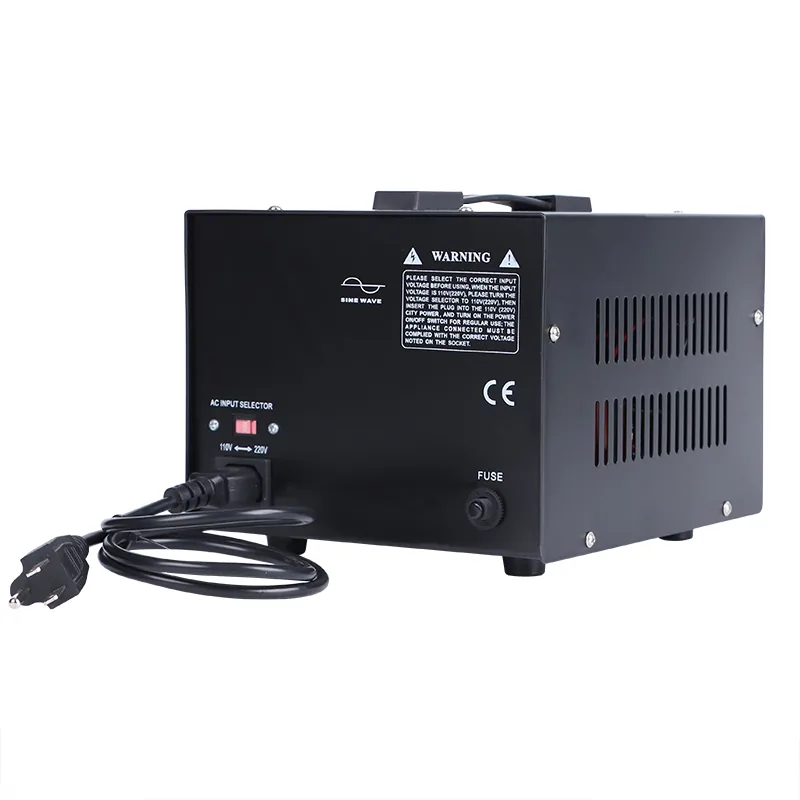
A rice cooker is a thermostat-driven heater, and the quality of the rice depends on the heat profile. If the voltage sags, the cooker takes longer to reach temperature, the water-to-rice timing drifts, and the results change. If the voltage runs high, the cooker overshoots and the rice scorches on the bottom. A transformer with accurate, stable output keeps the cooking profile exactly as the manufacturer designed it — which is why families notice the difference within the first week.
Keep-warm and long cycles
Cookers stay on keep-warm for hours after cooking, drawing 40-80W continuously. That is a light load for any transformer, but it means the transformer is energised for long stretches of the day. Copper winding and proper ventilation matter for this duty pattern. The case should be warm to the touch, never hot. If it is hot, check the load and the airflow.
RCD protection in humid kitchens
Kitchens in tropical climates are humid, and rice cookers sit on the counter near steam and splashes. RCD protection on the transformer trips on any leakage current in milliseconds, protecting the household in damp conditions. The ST series includes RCD as standard — for a device that runs every day, this is the cheapest insurance you will buy.
Common mistakes with rice cooker transformers
- Buying 110V output for a 100V cooker. Most tolerate it, but the 100-110V tap is the right answer.
- Sizing on the cooker watts alone. If the cooker shares the transformer, add the pair.
- Using a travel converter. Cookers run long cycles; converters overheat.
- Ignoring the keep-warm load. It is light, but the transformer stays energised for hours.
- Wrong primary winding for the grid. Output drift changes the cooking profile.
Why buy from a factory directly
Wilmall builds step down transformers for the Japanese and US appliance markets across Asia, the Middle East and Africa. The ST series with 100-110V taps, copper winding, RCD protection and batch test records is the dependable choice for importers and distributors. MOQ 10 pcs per model, 15-25 day lead time, FOB Ningbo or Shanghai.
Commercial cookers and restaurant duty
Restaurants and canteens use large rice cookers that run long cycles, often multiple batches in a row. A commercial 1500W cooker needs the ST-2000 at minimum, and if the kitchen runs several cookers from one transformer, size for the simultaneous load with 30% margin. Commercial kitchens are hot, so ventilation matters even more.
For restaurant suppliers we recommend one transformer per cooker, which isolates faults and keeps service running. A failed unit on one cooker does not stop the whole kitchen.
The Japanese appliance market connection
The 100V Japanese appliance market — rice cookers, air purifiers, small kitchen devices — is a steady source of transformer demand across Asia. Distributors who stock units with the 100-110V tap serve both Japanese and US appliances from one SKU. We wind this tap as standard on the ST series, so one transformer covers the mixed household.
If your market imports a lot of Japanese used appliances, tell us and we will recommend the tap configuration that matches the dominant appliance voltage.
Buying for resale: the kitchen range
Kitchen appliance distributors stock the 1000VA size for cookers and small appliances, 2000VA for large cookers and the 3000VA for mixed-kitchen setups. Private labelling with your brand, country-specific sockets and cartons are available from MOQ 10 pcs per model.
The rice cooker is the appliance families use most in this region, so transformer demand follows it closely. Stocking the right sizes turns a common appliance import into a repeat sales line.
The short version
A rice cooker is a thermostat-driven heater — size by watts, wind the 100-110V tap for Japanese units, and keep the transformer ventilated for the long keep-warm hours. That is the whole rice cooker transformer story.
Frequency and the rice cooker
A rice cooker is a thermostat-driven heater; frequency does not affect the cooking. The 50Hz grid in most of Asia is irrelevant to the cooker itself. What matters is the voltage accuracy, because the thermostat reacts to temperature, not voltage — but the heating rate depends on the voltage. Accurate output keeps the cooking profile right.
If the cooker label says 100V 50/60Hz, it accepts either frequency, and the transformer only needs to handle the voltage. That is the cleanest case there is.
Installation and placement
Put the transformer in a dry, ventilated spot off the counter where the cooker steams. The steam from a boiling pot is full of minerals and lands on whatever is nearby — keep the transformer above or away from the steam path. A wall bracket beside the counter works well.
The keep-warm cycle runs for hours with the transformer energised, so airflow matters. Give it clearance on all sides and it will run cool through the longest dinners.
Ordering, shipping and lead time
Send us your cooker model, the wattage, your country voltage and the quantity. We confirm the transformer size, the tap setting (100V or 110V) and the socket in writing, then produce in 15-25 days and ship FOB Ningbo or Shanghai. MOQ 10 pcs per model.
Warranty and support
Every Wilmall transformer carries a 12-month warranty, and we keep common spare parts for fast resolution. Batch test records ship with every order, simplifying warranty claims for distributors. We respond to support enquiries within 24 hours.
A rice cooker is a daily-use appliance, so the transformer gets daily use too. The warranty window covers the first year of that daily service, and the batch test record proves the unit left the factory sound.
The short version
A rice cooker is a thermostat-driven heater — size by watts, wind the 100-110V tap for Japanese units, and keep the transformer ventilated for the long keep-warm hours. That is the whole rice cooker transformer story, and the ST series covers every size in it.
Frequently asked questions
Rice Cooker Sizing: The Heater and the Keep-Warm Phase
A rice cooker has a two-phase power profile that matters for sizing. During the cooking phase, the heating element draws the full wattage, typically 500W to 900W for a US-spec cooker, and during the keep-warm phase, the element cycles at a much lower draw. The practical sizing is 1000VA to 1500VA for a standard rice cooker, which covers the cooking phase with margin. The keep-warm phase runs for hours, so the transformer must handle the continuous but light duty without overheating, which our ST series does. If the rice cooker runs at the same time as other kitchen appliances, add their wattages. The cooking phase is the moment the transformer is tested, and the headroom keeps the voltage up so the rice cooks at the right temperature. Send us the nameplate rating and we will confirm the right size.
Rice Cooker Keep-Warm and Transformer Duty
The keep-warm phase of a rice cooker runs for hours, and the transformer feeding it runs continuously during that time. A transformer sized for the cooking phase has plenty of margin for the light keep-warm draw, so it runs cool through the long warm cycle. This is exactly the kind of continuous but light duty that our ST series handles well, with copper windings and thermal protection. If the rice cooker stays on keep-warm all day, the transformer stays on too, and the margin is what keeps both running cool. The practical habit is to switch the transformer off when the cooker is unplugged, which saves the small no-load loss and rests the unit. Send us your cooker’s rating and your usage pattern, and we will confirm the size that covers both phases.
What size transformer do I need for a rice cooker?
A family 5-6 cup rice cooker needs a 1000VA transformer. Large or commercial cookers need 2000VA. The keep-warm function is a light load the transformer handles easily.
Do I need a 100V transformer for a Japanese rice cooker?
Most 100V cookers tolerate 110V output, but the clean answer is a transformer with a 100-110V tap so the output matches the cooker design. We build this as standard.
Why does rice quality change through a transformer?
A rice cooker is thermostat-driven. Low voltage slows the cook, high voltage scorches the rice. Accurate, stable output keeps the cooking profile as designed.
Can the transformer stay on for keep-warm?
Yes. Keep-warm draws 40-80W, a light continuous load. Copper winding and ventilation keep the transformer happy through long warm cycles.
Can I order rice cooker transformers with my brand?
Yes, private labelling from MOQ 10 pcs per model, with the 100-110V tap option for the Japanese appliance market.
Related reading
- Step Down Transformer 220V to 110V: Sizing and Safety
- Step Down Transformer for Kenya
- Step Up and Down Transformer Products
Get a factory-direct quote
Email sales@wilmall.com or WhatsApp +86 197 3022 6757 with your cooker model and country. We confirm the transformer and tap settings within 24 hours. MOQ 10 pcs.