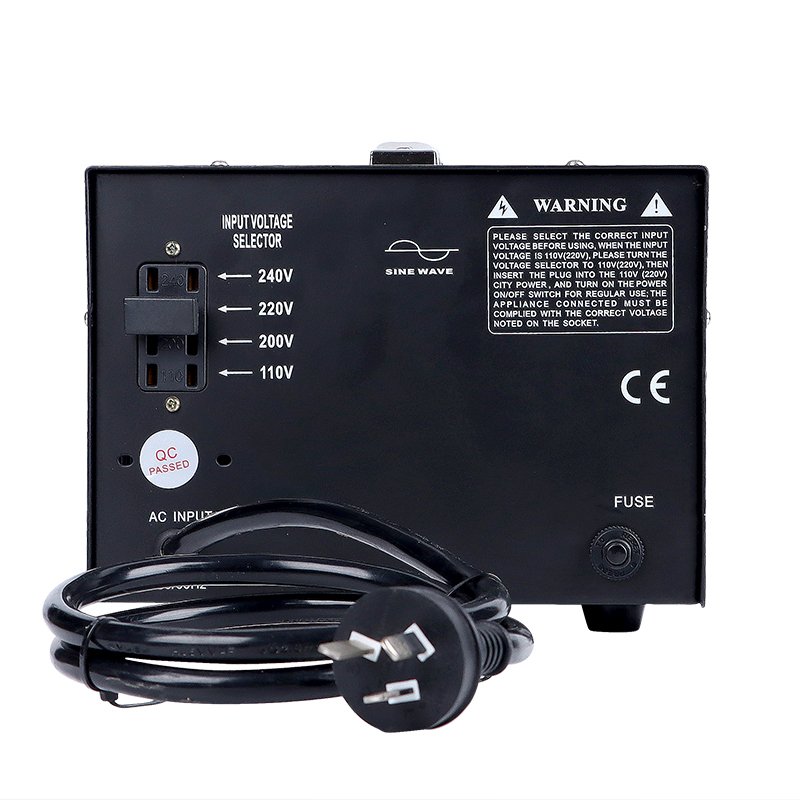
Step Down Transformer for Vietnam | 220V to 110V | Wilmall
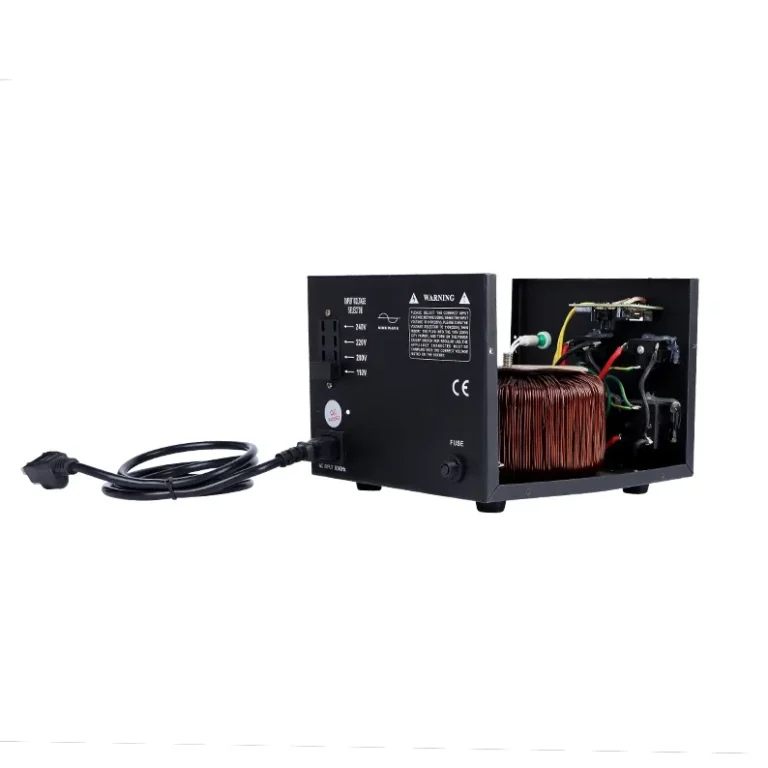
Vietnam uses 220V / 50Hz, while many imported appliances — especially from the US, Japan and South Korea — are rated 110V or 100V. Step-down transformers are steady sellers for Vietnamese importers. Wilmall supplies them factory direct.
Vietnamese voltage reality
Vietnam’s standard is 220V / 50Hz in homes and industry. Appliances imported from 110V markets need a step-down transformer; equipment from Japan at 100V also needs conversion. The flow of used and new US appliances through Vietnamese households and electronics shops keeps demand consistent all year.
What size step-down transformer for Vietnam
| Appliance | Typical wattage | Recommended model |
|---|---|---|
| Small kitchen appliances | 100-500W | ST-1000 |
| Consoles, TV, soundbar | 200-600W | ST-1000 |
| Rice cooker, iron | 800-1200W | ST-1500 |
| Refrigerator, AC (small) | 500-1500W | ST-2000 |
| Washing machine, larger AC | 1500-3000W | STU-3000 / 5000 |
Selling to Vietnamese importers and shops
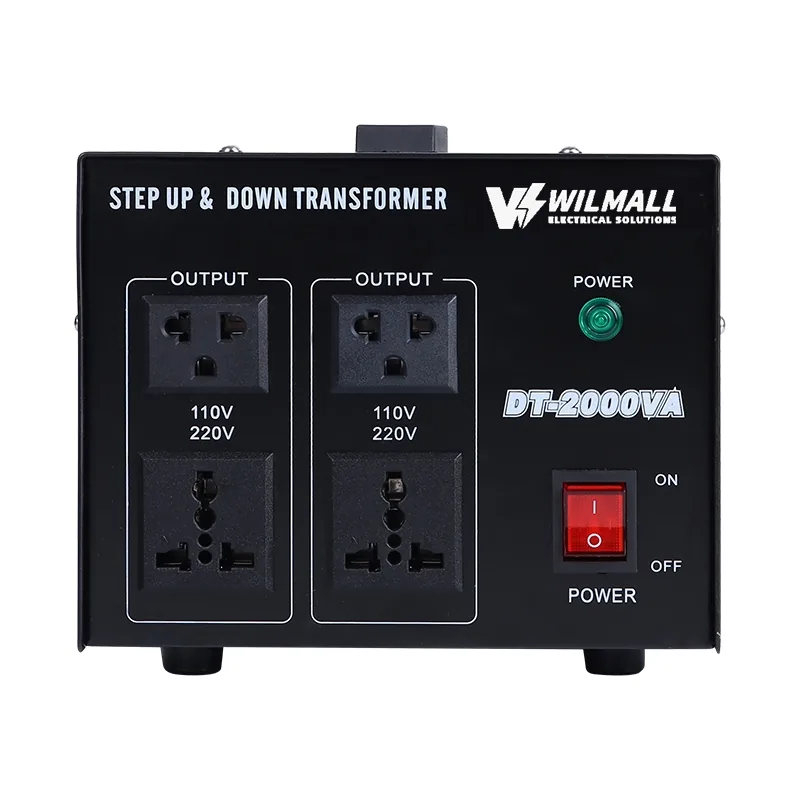
Electronics shops across Ho Chi Minh City, Hanoi and Da Nang sell transformers alongside the imported appliances they serve. The winning formula is a compact range — 1000VA, 2000VA and 3000VA — with clear wattage charts printed on the box so customers can self-select. Private labelling is available from MOQ 10 pcs, and bilingual labels (English / Vietnamese) can be arranged.
Japanese and Korean appliances
Japan ships a large volume of used appliances to Vietnam — rice cookers, air purifiers, washing machines — most rated 100V. A 110V transformer output suits them within tolerance. Korean appliances are usually dual-voltage or 220V, so they rarely need conversion; check the nameplate first. For 100V 50Hz-only motorised Japanese units, request a multi-tap secondary and we will wind the output closer to 100V.
Transformers vs electronic converters in Vietnam
Both products sell in Vietnam, but they serve different buyers. Electronic converters are compact and cheap, suited to small resistive loads like phone chargers and LED lamps. For refrigerators, washing machines, air conditioners and anything with a motor, the copper-and-steel transformer is the dependable choice — it handles start-up surge, runs continuously, and tolerates the voltage swings common on the Vietnamese grid, especially outside the big cities.
For distributors, offering both covers the full market, but the transformer range is where the dependable repeat business sits. A customer who burns out an electronic converter on a refrigerator will come back for a transformer — and remember which brand sold them the converter.
What to stock for the Vietnamese market
The practical range is ST-1000, ST-2000 and STU-3000. Vietnamese households buy in this order: small appliances first (ST-1000), then refrigerators and rice cookers (ST-2000), then washing machines and larger loads (STU-3000). Adding a 500VA unit for the used-Japanese-appliance niche gives full coverage. All models are available with private labelling from MOQ 10 pcs.
How the Vietnamese retail channel works
Most sales happen through electronics shops and appliance retailers rather than big-box stores. These shops buy from importers in small lots and sell to walk-in customers, so fast restocking matters. A distributor who keeps the three core sizes in stock and can reorder in 15-25 days holds a real advantage. Clear wattage charts on the packaging reduce staff training time and returns.
After-sales support
Transformers rarely fail when sized and used correctly, but when they do, a clear warranty process protects the distributor’s brand. Our units carry a 12-month warranty, and for common failures we ship replacement units quickly rather than making customers wait for repair cycles. Documented test records for each batch make warranty decisions fast and fair.
The Wilmall factory advantage for Vietnam
Wilmall is a Yueqing transformer factory — winding, assembly and testing all in-house. For Vietnam, we can provide Vietnamese-language labels, a 220V input standard, and packaging suited to the local retail channel. Because we control the whole process, the specification is never “adapted” by an intermediary, and the unit you approve in the sample is the unit you receive in bulk.
Frequency note for US appliances in Vietnam
Vietnam runs 50Hz while US appliances are built for 60Hz. A transformer passes the frequency through unchanged, so motor-driven US appliances run about 17% slower than rated. For most appliances — blenders, mixers, fans, pumps — the difference is acceptable. For timing-critical or high-speed motor devices, discuss the application with us first; in some cases a different product is the better recommendation.
Resistive loads — heaters, irons, incandescent lamps, toasters — are frequency-independent and always safe. The practical rule for importers: if the appliance has a motor, note the frequency on the label; if it is resistive or electronic, frequency is rarely a concern.
Importing into Vietnam
We ship FOB Ningbo or Shanghai with commercial invoice, packing list, CE / RoHS certificates and batch test reports. Vietnamese importers should confirm current customs classification with their broker; transformers are a routine electrical import when documentation is complete. Container quantities of mixed models are common.
The 15-25 day production window suits Vietnamese importers who reorder monthly. We recommend placing the first order with a mix of the core three sizes, then adjusting the ratio after the first sell-through cycle.
Frequently asked questions
The Japanese and Korean Appliance Mix in Vietnam
Vietnam’s appliance market includes a large share of Japanese and Korean brands, and that shapes what transformers you need. Most Japanese and Korean appliances sold internationally are dual-voltage, marked 100-240V, and run fine on Vietnam’s 220V with just a plug adapter. The ones that need a transformer are the US-spec or Japan-domestic units brought in by travelers, expats, and military families, which run on 110V or 100V. For those, a step-down transformer to 110V covers the US-spec gear, and a 100V output can be wound on request for Japanese domestic units. The frequency in Vietnam is 50Hz, and our units are rated for both 50Hz and 60Hz, so a US appliance designed for 60Hz runs correctly through a dual-rated transformer. For resellers, the practical point is that most new appliances do not need a transformer, but the stock mix should still cover the 110V and 100V segments.
Transformers vs Electronic Converters in Vietnam
Vietnamese buyers often ask whether they need a transformer or an electronic converter, and the answer depends on the load. An electronic converter is light and cheap, but most are rated for light loads only, and they struggle with motors, compressors, and anything that draws a start-up surge. A transformer is heavier and costs more, but it handles continuous loads, motors, and surges without complaint, and it lasts for years. For a laptop charger or a phone charger, either works. For a fridge, a pump, a power tool, or a sewing machine, a transformer is the right choice. Our step-down transformers use copper windings and are rated for continuous duty, so they run the loads that electronic converters cannot. If you are buying for a mix of appliances, the transformer covers everything, and the few extra dollars buy reliability.
What to Stock for the Vietnamese Market
For distributors serving the Vietnamese market, the stock mix that works starts with the 1000VA and 2000VA step-down sizes, which cover the typical household mix of US-spec electronics. The 3000VA units sell to homes with freezers and to small businesses, and the 5000VA units go to workshops and restaurants running multiple appliances. The STU auto-selecting units are the premium option for buyers with mixed-voltage appliances. We keep the popular sizes in production rotation, which shortens repeat order lead times, and we support distributors with market-matched plugs, English labels, and export-grade cartons. The MOQ is 10 pieces, so a first container can test the market cheaply. If you are building a transformer business in Vietnam, tell us your target channels, retail, e-commerce, or wholesale, and we will recommend the stock mix that sells.
Importing into Vietnam: Documentation and Timing
Importing transformers into Vietnam uses the standard export documents, and the practical details are straightforward. The commercial invoice, packing list, and bill of lading are essential, and your customs broker may also need a certificate of origin. We provide the commercial invoice, packing list, and batch test certificate with every order, and we can arrange the certificate of origin for Vietnamese shipments. Sea freight from Ningbo or Shanghai to Ho Chi Minh City or Hai Phong typically takes 15 to 25 days, so plan about 30 to 50 days from order to delivery. For urgent small orders, air freight is available. We have shipped to Vietnamese importers for years, so the common documentation questions are familiar to us. If your buyer or forwarder needs a specific document, tell us at the quotation stage and we will plan it into the production schedule.
After-Sales Support for Vietnamese Buyers
After-sales support is where Vietnamese buyers see the difference between a factory and a trading company. Our support starts before the order, with sizing advice for your appliance list, and continues after the sale, with warranty service and application guidance. Every unit carries a 12-month replacement-first warranty: if it fails within that window, we ship a replacement with the next container to Ho Chi Minh City or Hai Phong and sort out the details afterwards. The batch test certificate travels with each order, giving you and your customers documented proof that the units were tested. If you add a new appliance later, or if a customer has a sizing question, you can ask us directly and get an answer within 24 hours. For distributors, this support is a selling point you can pass on: a supplier who answers after the sale is the one worth keeping on the vendor list.
What voltage does Vietnam use?
Vietnam uses 220V / 50Hz. US appliances rated 110V and Japanese units at 100V need a step-down transformer before use.
What size transformer do I need for a refrigerator in Vietnam?
A refrigerator draws 500-1500W with start-up surge, so a 2000VA ST-2000 step-down transformer is the recommended size.
Can Vietnamese households use 100V Japanese appliances?
Yes, with a step-down transformer. Most 100V devices run within the tolerance of a 110V output; motorised 50Hz-only units may need a lower tap.
Can you private label transformers for Vietnam?
Yes, we offer private labelling with bilingual English / Vietnamese labels from MOQ 10 pcs per model.
What is the MOQ for orders to Vietnam?
MOQ is 10 pcs per model, shipped FOB Ningbo or Shanghai with full export documentation.
Will a 60Hz US appliance run on Vietnam’s 50Hz grid?
Through a transformer the voltage is correct but the frequency stays 50Hz, so motor-driven units run about 17% slower. Most appliances tolerate this.
Related reading
- Step Down Transformer for Vietnam | 220V to 110V
- Voltage in Southeast Asia: Buyer’s Guide
- Step Up and Down Transformer Products
Get a factory-direct quote
Email sales@wilmall.com or WhatsApp +86 197 3022 6757 with your target market and appliance list.