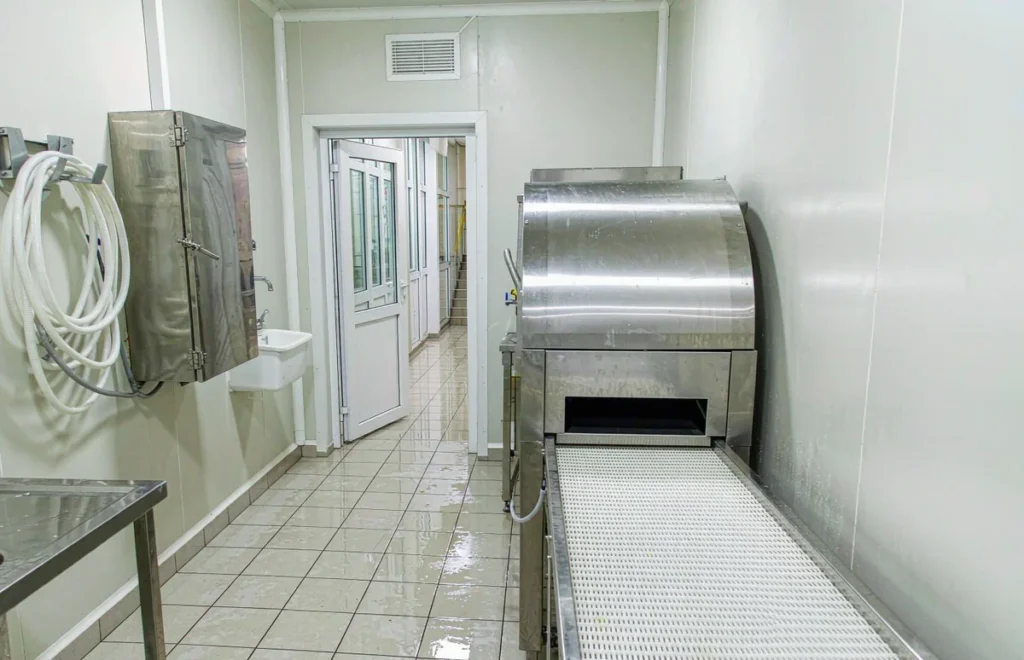
Step Down Transformer for Food Processing Plants
A food processing plant is where a 110V equipment list turns into a real engineering job. The owner has already bought the line: an American mixer, a slicer, a filler, a sealer, a metal detector and a weigh-price labeller, because that is the kit that does the work. Every one of those machines wants 110V. The wall behind the line gives 220V or 230V, and the washdown hose at the end of the shift gives a problem nobody mentions in the catalogue. Somewhere the question becomes not just what size transformer, but how to keep one alive on a wet, salty, vibrating floor.
I build these units in Yueqing and food plant enquiries land often, usually from a processor expanding a line or a contractor fitting out a new hall. The mistakes are repeatable, so let me answer them here the way I would on a call.
Why a Food Plant Is a Different Sizing Job
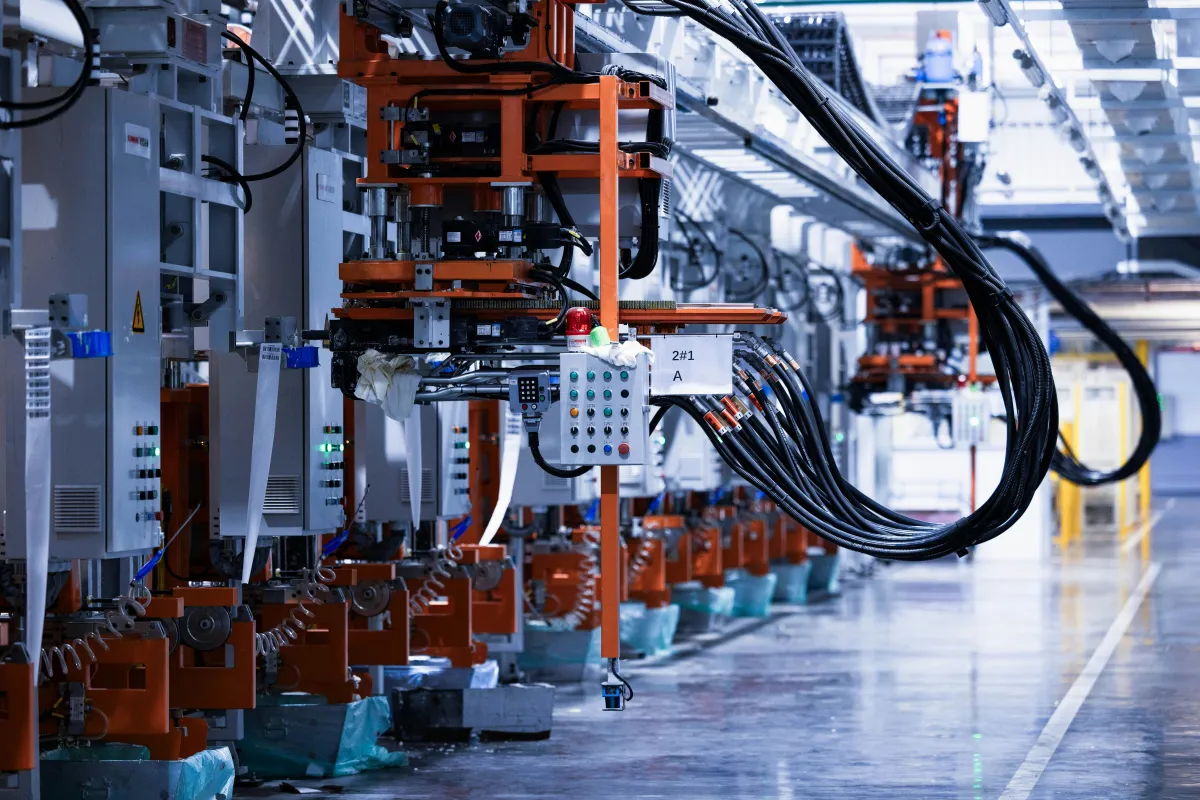
The short answer is that a plant runs many machines at once, and not all of them at full load at the same moment. A home buyer sizes off the total nameplate. A plant buyer should size off the simultaneous load with a demand factor, because your mixer, slicer and sealer rarely all pull hard together. The trick is working out which ones can, because the line is built so they do not stall each other.
Then there is the environment. A pharmacy or an office is dry and calm. A food hall gets hosed, gets warm, gets cleaned with chemicals, and the floor vibrates when the mixer runs. The transformer has to survive that, not just convert volts. IP rating and a stainless-friendly enclosure stop being a nice extra and become the reason the unit lasts the year.
One more point that catches people. A lot of this plant uses variable frequency drives, and a VFD on the input makes the current waveform ugly. A transformer does not mind that much, but it does heat a little more on a harmonic-rich load, so you leave extra headroom rather than running the unit at the limit. We will size for that below.
Which Food Plant Machines Usually Run on 110V
When a processor sends me the line list I split it the way I always do. Here is what normally needs a transformer, with the ranges I see on real quotes.
- American mixers and dough mixers, 300W to 1500W, with motor inrush on every start.
- Slicers and dicers, 200W to 800W, short hard pulls while the blade bites.
- Fillers and piston depositors, 200W to 1000W, with a small compressor or pump motor.
- Heat sealers and band sealers, 500W to 1800W while heating, and they hold that load.
- Metal detectors and checkweighers, 150W to 600W, where a clean steady output keeps the reject honest.
- Weigh-price labellers and baggers, 200W to 700W, sensitive to a dip that resets the tare.
- Control panels and HMI screens, 30W to 150W, small but they hate a brownout.
What does not need us: most three-phase motors, which take the building supply directly, and any small electronics already rated 100-240V. Go through the nameplates before you build the load sheet, because counting a three-phase driver as a 110V load pushes you into a unit far bigger than the line needs.
How to Size a Transformer for a Food Line
Here is the method I use. Add the running watts of the machines that can plausibly run together, apply a demand factor because they rarely all hit peak at once, then add 25 to 30 percent headroom and a bit more for VFD harmonics. Never size off the total nameplate of the whole line, that figure is a spreadsheet number, not what the box lives with on a Tuesday afternoon.
A demand factor of 0.6 to 0.8 is normal on a food line, depending on how the machines are sequenced. If the sealer only fires while the filler is between strokes, you do not add both at full load. If the mixer runs alone at the start of the shift, that is a different window again. Read the duty pattern, do not just sum the plates.
A Worked Example: A small meat packing line
Say your line holds a mixer at 1200W, a slicer at 600W, a filler at 500W, a band sealer at 1400W and a checkweigher at 300W. The realistic worst case is sealer heating while mixer and slicer run and the weigher checks: 1200 + 600 + 500 + 1400 + 300 = 4000W. Apply a 0.75 demand factor for sequencing and you are near 3000W, add 30 percent for headroom and harmonics and you are near 3900VA, so a 5000VA bidirectional unit covers the line with room to spare.
For a lighter line, a slicer at 400W, a labeller at 300W and a control panel at 100W, the simultaneous load is about 800W. With headroom that is a 1500VA unit, and the operator never has to think about it. Same hall, same mains, two different sizing conversations for two different stations.
| Plant station | Typical simultaneous load | Suggested unit rating | Why this size |
|---|---|---|---|
| Mixer and slicer station | 1200 – 2000 W | STU-3000 bidirectional | Motor inrush plus a moment of both starting |
| Filler and band sealer | 1500 – 2500 W | STU-3000 bidirectional | Resistive heating held while the pump runs |
| Checkweigher and labeller | 400 – 900 W | ST-2000 2000VA with RCD | Light load, steady output keeps the tare |
| Full line combined | 3000 – 4500 W | STU-5000 bidirectional | Demand factor plus headroom for VFD harmonics |
| Control panel and HMI only | 100 – 300 W | DT-1000VA bidirectional | Small mixed load, some items dual voltage |
When the Line Count Pushes You up a Size
There are cases where I tell a plant to go well past the 30 percent rule. A line that adds a second sealer or a second filler later should buy the bigger frame now rather than a second unit down the line. A hall with poor ventilation where the enclosure cannot shed heat should size up, because the transformer makes its own warmth on top of the line. And any site running mostly VFD-driven machines should leave the extra harmonic margin rather than run at the edge.
If you are not sure where your line sits, send us the equipment list with the duty pattern next to each machine. We have sized enough food lines to tell you in one message whether a 3000VA unit is enough or whether the harmonics put you on the 5000VA.
IP Rating, Stainless and Surviving the Washdown
The enclosure question is the one food buyers under-specify. The unit feeding a line near the washdown should carry a proper IP rating and a coating that shrugs off the cleaner, because a bare box in that hall is corroded within a season. We build enclosures suited to that environment, and I would rather see a plant pay a little more per unit than replace a rusted box mid-contract.
Mounting matters too. Keep the transformer off the floor, out of the direct hose path, and on a wall or a stainless bracket where condensation cannot pool on top of it. Do not tuck it inside a panel with no air, because the unit makes heat and needs to lose it. A line that runs all shift gives the transformer no quiet hour, so cooling is part of the sizing, not an afterthought.
RCD, Earthing and a Floor That Gets Hosed
Put RCD at the top of your checklist, not the bottom. On the ST-2000 and the STU range it is in the case, so a 110V fault trips at the box instead of waiting for a breaker elsewhere in the hall. On a wet floor with staff in rubber boots, that local trip is not optional, it is the thing that keeps a leak from reaching the rest of the line.
I turn to the earthing next. The enclosure needs to bond to the building earth, and those 110V outlets should be proper sockets, not a loose wire poking from the case. If you are sizing motor-driven plant alongside this, our page on How to Size a Step Down Transformer for Motors and Compressors covers the start-current side in more depth, which feeds straight into the numbers above.
The Units We Build for Food Plants
Because we build the units, not broker them, I can speak to the board level. The ST-2000 stands at 2000VA step down, 220V to 110V, RCD in the enclosure, and it takes the light station: weigher, labeller and control panel on separate feeds.
For the mixer, slicer and sealer I go to the STU range. The STU-3000 and STU-5000 are two-way units, step up and step down, carrying the heavier, surge-loaded food duty. Two-way is what matters on a plant that imports 110V and 220V machines both, because it will want to run the other direction before long, and re-boxing the wall later is a nuisance no budget allows for.
The DT-1000VA is our automatic bidirectional unit, and it earns its place at a small station where a light load runs either way on its own. The Variac line, our variable transformers (variacs), covers the commissioning and test gap from 500VA to 3KVA in 1KVA steps. A turnable output is unglamorous until you are setting up an imported weigher and want to confirm it at 105V or 115V before the line is signed off.
Order Size, Delivery Window and Test Paperwork
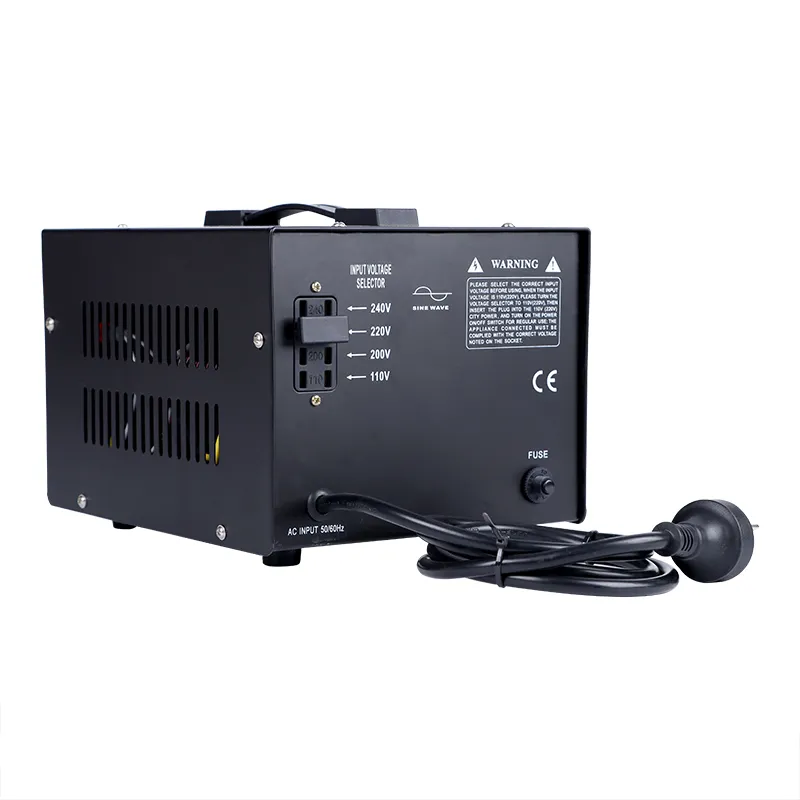
I lay the commercial figures out up front, because plant buyers want them before the detail. Our minimum order is 10 pieces, whether you are fitting out one line or sampling before a multi-site roll-out. The build takes 15 to 25 days, and your exact date in that band depends on volume and on custom labelling or a particular socket. Shipment is FOB Ningbo or Shanghai, and a 12-month warranty rides with every unit. Your carton includes the batch test card your unit was part of, showing input voltage, output on load and no-load current, as we check 100 percent of our production at the Yueqing works.
Food lines are where the build gets bespoke. We fit the socket your machines take, set the output to 110V or 120V off the nameplates, print your brand on the faceplate, and pack each unit to land at its station. Several lines to fit, give us the plan and we stage the runs rather than one pallet behind the sealer.
We use copper windings in this plant, not aluminium. Aluminium runs warmer at equal rating, and warm insulation is what brings a transformer to an early end. Under plant duty, where a unit is switched on and left on through every shift and every washdown, that difference shows up inside a couple of years.
What to Send Us Before We Size a Food Line
A finished specification is not needed before we talk. Send whatever you already have. The equipment list with the wattage from each nameplate, the duty pattern of each machine, your mains voltage and frequency, the socket type in the hall, how many separate 110V feeds you need, and your target date. With that list I can set the size, price the run and give you a ship date.
Worth opening two pages while you draft that list. If the call between step down, step up or a combined unit is still open, our page on step up & down transformers goes through the difference minus any formulas. There is a full set of more application guides on the site as well, covering everything from cold rooms to construction sites.
If a row on the list makes no sense, send it across with a shot of the plugs. Sizing a step down transformer for food processing plants is routine work for us, and we would much rather spend ten minutes on WhatsApp than have you order the wrong unit for a line full of stock.
Food Plant Transformer Questions I Get Most Weeks
The questions below are the ones that land on my desk most weeks from processors and their contractors, answered the way I would on a call.
Should I size a food line off the total nameplate watts?
No, size off the simultaneous load with a demand factor, because your mixer, slicer and sealer rarely all pull hard together. A line totalling 4000W might run at 3000W with sequencing, so a 5000VA step down transformer covers it. Send the duty pattern and we will apply the right factor for your line.
Do VFD-driven machines need a bigger transformer?
A little bigger, yes. A variable frequency drive makes the input current waveform ugly, and the transformer heats a bit more on that harmonic-rich load. We leave extra headroom rather than running at the limit, so a line that is mostly VFD-driven usually lands on our STU-5000 step down transformer instead of the 3000VA.
What IP rating does a transformer need near the washdown?
Use a proper IP-rated enclosure with a coating that shrugs off cleaner, mounted off the floor and out of the direct hose path. A bare box in that hall corrodes within a season. On our ST-2000 and STU units the build suits the environment, and we would rather you pay a little more than replace a rusted unit mid-contract.
Do I need RCD protection on a food plant transformer?
Yes, ask for it first rather than last. On our ST-2000 and STU units the RCD is part of the build, so a fault on the 110V side trips the unit locally. On a wet floor with staff in boots, that local trip keeps a leak from reaching the rest of the line, and it is not optional.
Can one transformer feed the whole line?
It can if you size for the simultaneous worst case, but most plants split it. Put the weigher and labeller on a small ST-2000 step down transformer and the mixer and sealer on an STU-5000, so a fault on the heavy station never stops the packing end. Send the list and we will show you the split we would quote.
Send us your line equipment list with the duty pattern and we will size it at no charge. Tell us the wattage from each nameplate, which machines can run together, and how many 110V feeds the hall needs. A unit, a quantity and a price to your door normally comes back within one working day, matched to your production plan.
Or talk to us directly: WhatsApp +86 197 3022 6757 · Email sales@wilmall.com
MOQ 10 pcs · Lead time 15-25 days · FOB Ningbo or Shanghai · 12-month warranty