High Current Low Voltage Transformer: What It Is and How to Size One
Most low voltage transformers you meet in daily life feed lights. They deliver 12V or 24V, the current is measured in a few amps, and nobody thinks twice about the numbers. A high current low voltage transformer is a different animal built for a different job: it steps the mains down to a low voltage so that the output can push a very large current, sometimes a hundred amps or more, into a heating element or an electrolytic bath. We make these units in our factory in Yueqing, China, and the buyers who get them right are the ones who understand one relationship, VA equals volts times amps. This guide explains it the way we explain it to our own customers.
What Counts as a High Current Low Voltage Transformer
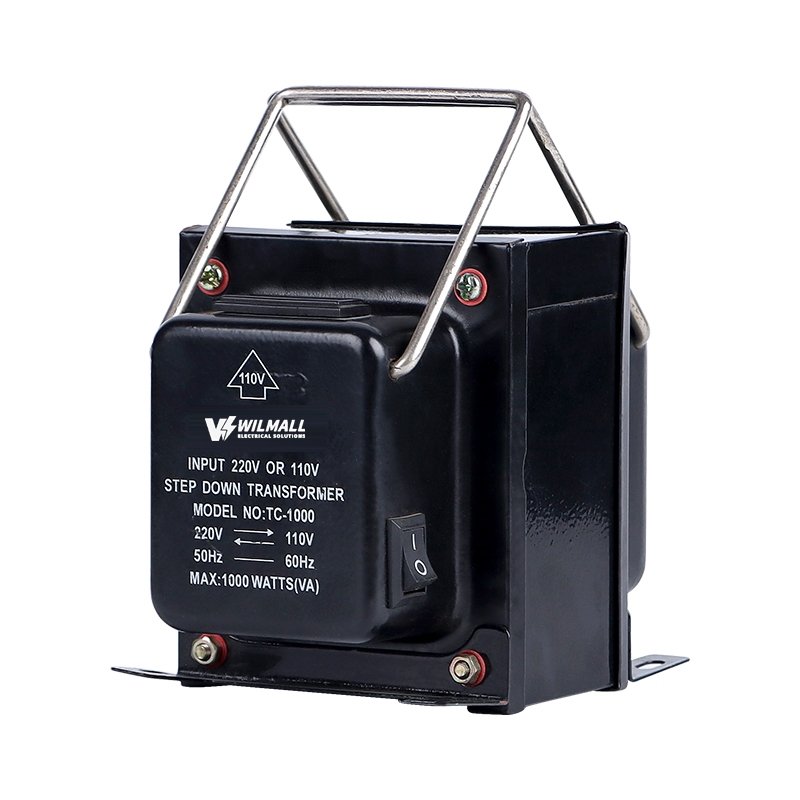
The name is really two separate promises. “Low voltage” means the secondary side runs at a modest level, commonly 6V, 12V, 24V, or 36V, low enough that the output is safe to handle and easy to insulate. “High current” means the secondary winding is built with thick copper to carry the amps that follow from that low voltage. Step a 1000VA transformer down to 24V and you can draw roughly 40A from it; step it down to 12V and the same transformer can feed around 80A, because the VA rating has not changed, only the split between volts and amps.
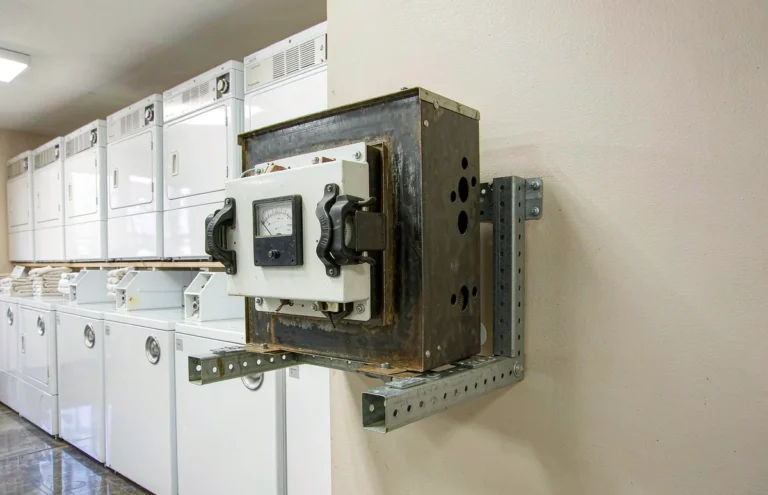
That is the whole trick of the design. Power in and power out stay balanced (minus small losses), so a transformer cannot give you free current. It trades volts for amps on a fixed budget. The unit itself looks like an ordinary control transformer from the outside, but inside, the secondary coil is heavier copper and the terminations are bigger, because they must carry continuous high current without overheating the connection points. When a customer asks us for a unit like this, the secondary current figure is the number we design around, not the voltage.
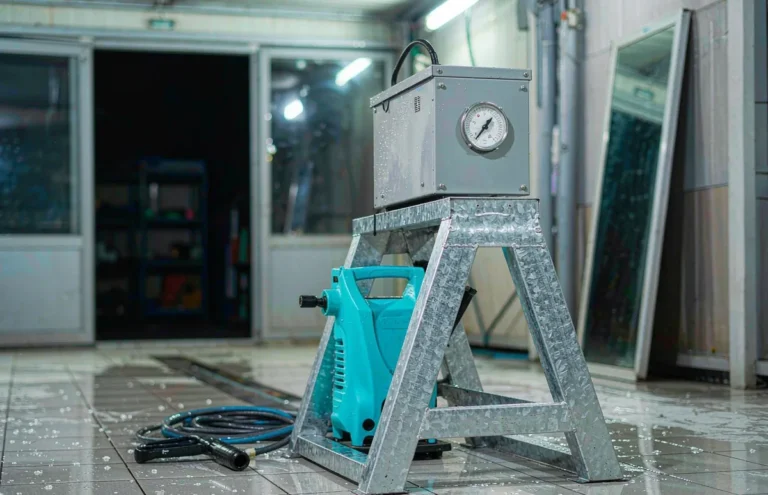
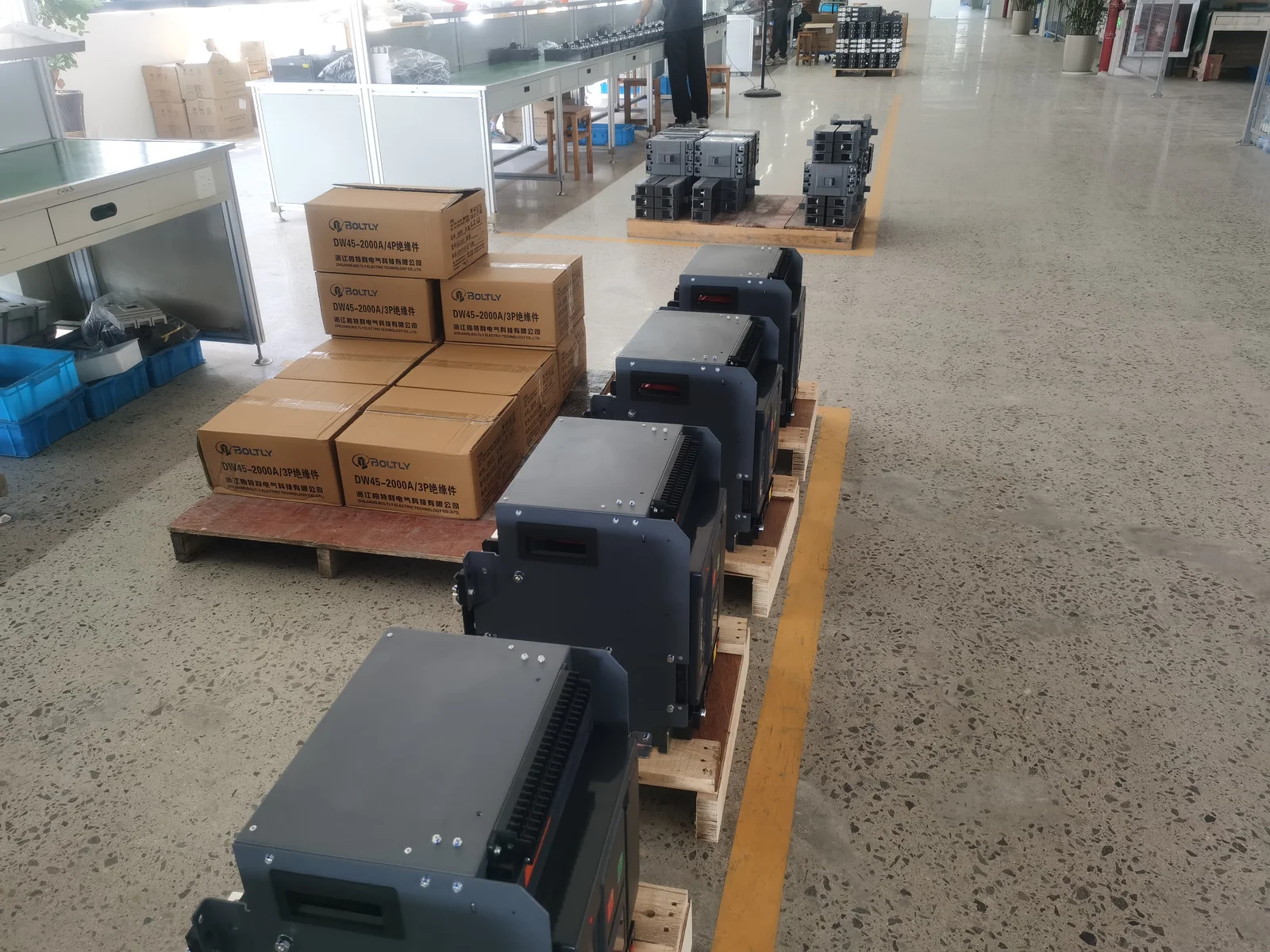
If your mental picture of a transformer is a box feeding garden lights, reset it. These units drive industrial heaters, heat treatment rigs, electroplating and electrolysis lines, and low voltage heating elements where the element is sized for high current at low voltage. Our DDG heating transformer low voltage high current range is exactly this type of build, wound and 100 percent load tested in our own factory.
The One Formula That Matters: VA Equals Volts Times Amps
Everything about sizing a high current low voltage transformer comes back to VA equals volts times amps. The VA rating is the transformer’s power budget, and it is the same on both sides of the unit, give or take a few percent of losses. On the input side, mains voltage times input current gives the VA. On the output side, secondary voltage times secondary current gives the same VA. If you know any two of the numbers, you can always work out the third.
Here is a concrete example we use with customers. Suppose a heating element is designed to run at 24V and draws 40A when it is hot. Multiply the two together: 24V times 40A is 960VA. No transformer is ever run right at its absolute limit for continuous duty, so you round up to the next standard size. In this case a 1000VA unit gives you 24V at up to roughly 41A, which fits the element with a small margin and no wasted capacity. If the element instead runs at 12V and 60A, the arithmetic is 12 times 60, which is 720VA, and you would step up to a standard 750VA or 1000VA rating.
The mistake we see most often is people sizing on watts they have read off a heater nameplate without checking the element voltage, or ordering a transformer by voltage alone and ignoring the amps. A 24V secondary with a thin winding built for 5A will burn out the moment you connect a 40A element, no matter how many VA the case claims. If the math feels unfamiliar, walk through it with our page on how to calculate transformer VA, or just feed the numbers into our VA sizing calculator and let it do the work.
Sizing a High Current Low Voltage Transformer, Step by Step
When an inquiry lands on our desk, we work through a fixed list, and you can use the same list before you contact us. First, confirm the secondary voltage your load needs, because heaters and electrolytic processes are designed around a specific element voltage and you must match it. Second, find the current the load draws at that voltage. If only the element wattage is printed, divide the watts by the voltage to get amps. Third, multiply volts by amps to get the VA figure, then add a working margin.
That margin matters more on heating duty than on any other application, because heating elements change resistance as they heat up. A cold element can draw a noticeably higher inrush current for the first moment than its steady running current, and a continuous industrial process never gives the transformer a rest. We generally recommend sizing for the running load plus at least 20 percent headroom, and more if the process switches on and off frequently throughout the day, which keeps the winding temperature down and the insulation alive.
Duty cycle is the detail that quietly kills undersized units. A transformer rated for continuous duty at its VA will run warm but stable all day. The same unit asked to start and stop a heavy element every few minutes faces repeated thermal cycling, and that cycling is what eventually cracks insulation and loosens connections. If your process is intermittent, tell us the on and off times, because we build and rate units differently for intermittent duty than for round-the-clock running.
Heating, Heat Treatment and Electrolysis: Where These Units Earn Their Keep
Low voltage high current heating shows up in more places than most people realize. Electric furnaces and ovens use low voltage elements to spread heat evenly without the element seeing the full mains potential. Heat treatment lines for metal parts drive heating elements through transformers sized exactly to the element resistance. Electroplating and electrolysis tanks need direct current at low voltage and high current, usually fed by a transformer plus a rectifier, where the transformer’s job is to deliver the raw low voltage AC that the rectifier then converts.
The reason engineers insist on a transformer here is twofold. First, it isolates the process from the mains, which matters enormously when the process involves conductive liquids like plating baths. Second, it lets the element run at a voltage chosen for the process, not for the building, and at a current that would be unsafe or impossible to draw from a standard wall circuit. A 5000VA element at 24V pulls more than 200A from the transformer but only about 20A from a 220V supply line, which keeps the building wiring sane.
We are not going to pretend every customer knows their exact process parameters on the first email; most do not. What we need is a starting point, the element voltage, the wattage or current, the input supply, and the duty cycle, and we can work the rest out together. The earlier you send us those four numbers, the earlier we can quote a unit that will not be a disappointment in week one.
Why the Secondary Voltage Choice Matters as Much as the Current
There is a reason heaters and electrolytic gear run at low voltage instead of straight off the mains: the voltage sets the limits of the whole system. A heating element has a fixed resistance, and the heat it produces rises with the square of the current, so the element voltage is effectively the element’s specification. Put 24V on an element designed for 12V and you roughly quadruple the heat, which will destroy it in seconds. Put 12V on a 24V element and you get a quarter of the designed heat and a production line that never reaches temperature.
The practical point for a buyer is to copy the element nameplate exactly and never assume. We have received more than one order where the customer “remembered” the voltage and the element melted in testing, which is a hard way to learn that the two values are not negotiable. If the element is worn or unmarked, measure its resistance cold, send us the reading, and we can help estimate the correct voltage and the resulting current before you buy anything.
Low voltage also keeps the output safe to handle. 12V or 24V across a damp workshop floor or a plating line is far less dangerous than mains potential, which is why safety-conscious buyers choose a high current low voltage transformer even when a direct mains heater would technically work. The isolation between input and output windings is an extra layer of protection we build into every unit, and for wet processes it is not optional.
What We Need from You to Quote the Right Unit
If you are ready to order or just collecting quotes, put these five things in your first message and every supplier you contact will be able to answer properly: the input voltage and frequency at your site, the secondary voltage your process needs, the current or wattage of the load, the duty cycle, and the ambient conditions where the unit will live. Add a photo of the old unit’s nameplate if you are replacing one, because the nameplate settles more arguments than any description ever will.
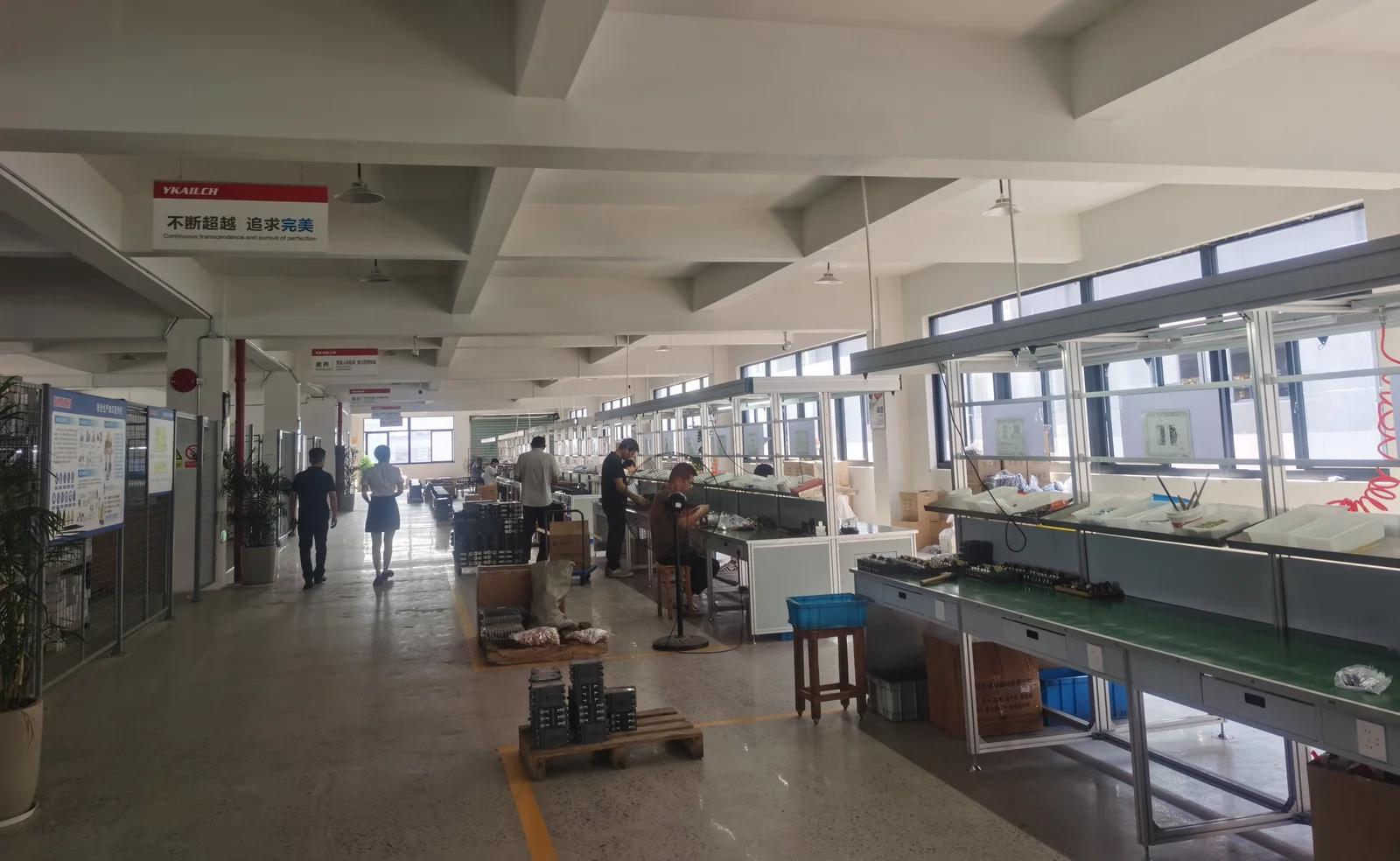
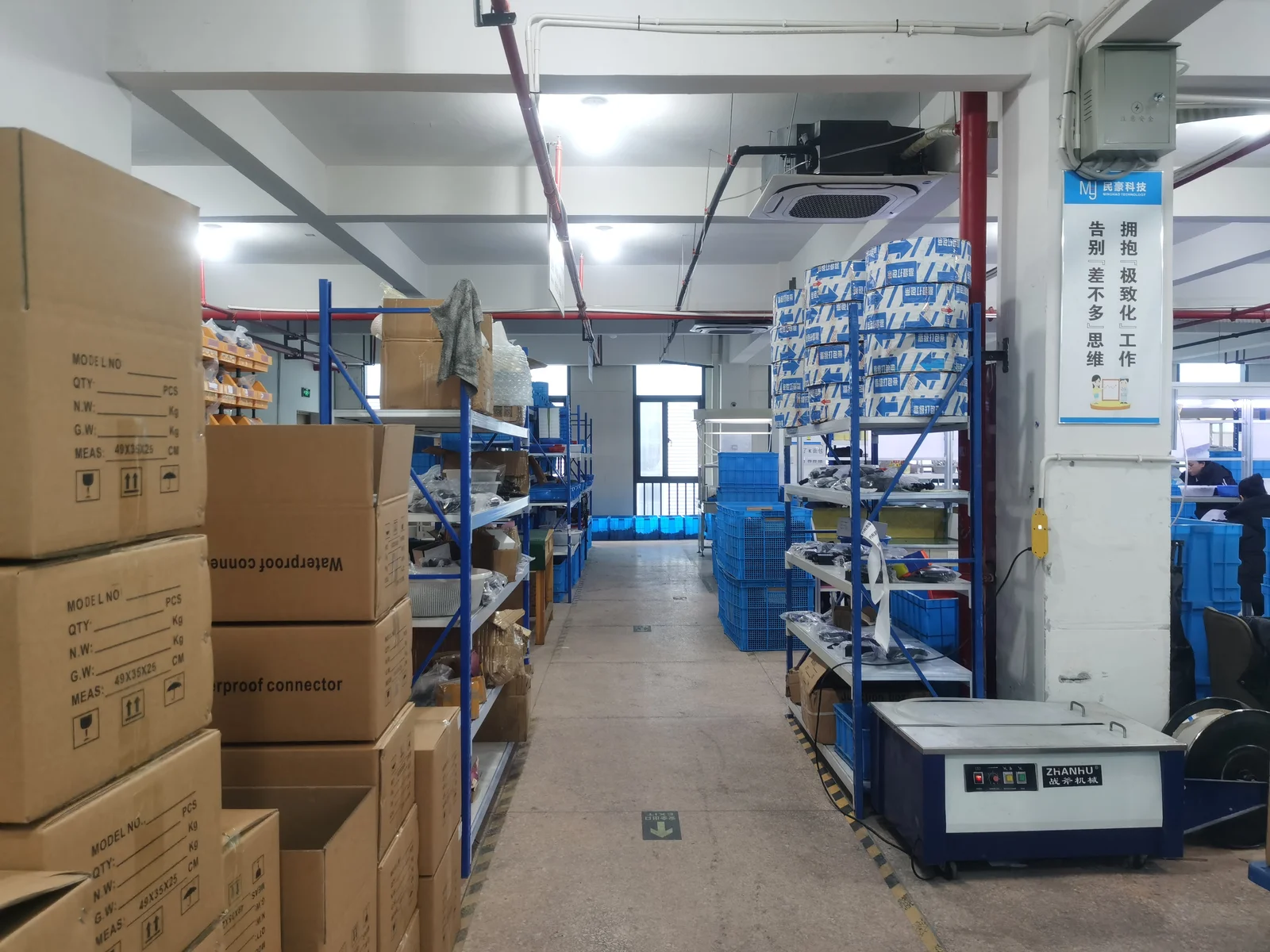
Then we can tell you the VA rating, the standard sizes that fit, and the physical details like terminal size and enclosure options. Our builds use copper winding throughout, sized honestly for the VA, and every unit is wound and 100 percent tested under full load before it leaves the bench, with the batch test records kept on file. We can talk through intermittent duty ratings, rectifier combinations for DC processes, and any custom secondary voltage you cannot buy off a shelf, because for these units custom is the normal case rather than the exception.
Do not worry if you are missing one of the five numbers. Send us what you have, even if it is only “a heater that used to say 24V on the label and draws about 40A,” and we will work from there. A five-minute message with the element details saves a two-week round of corrections after the order, and our quote desk answers every inquiry with the actual calculation shown, not just a price.
Common High Current Low Voltage Transformer Questions
These are the sizing and selection questions we answer most often from engineers and buyers.
How do I calculate the VA needed for a high current low voltage transformer?
Multiply the secondary voltage by the current your load draws. If a 24V element draws 40A, that is 24 times 40, or 960VA, so a 1000VA transformer fits with a small margin. If you only know the wattage, divide watts by volts to get amps first, then multiply volts by amps to reach the VA figure.
What is the difference between VA and watts when sizing a high current low voltage transformer?
For a purely resistive heating load, VA and watts are close to equal, which is why heater sizing works cleanly. VA still matters because it is what the transformer is rated in, and reactive loads like rectifiers draw more VA than the watts they deliver. Size on the VA figure and you will never be caught short.
Can a high current low voltage transformer run an electrolysis or plating line?
Yes, with a rectifier after it. A high current low voltage transformer steps the mains down to low voltage AC, and a rectifier converts that to the DC the plating bath needs. Tell us the bath voltage and current and the duty cycle, because electrolytic work often runs continuously and the transformer must be rated for full-time service.
Why does my low voltage transformer overheat when I connect a heating element?
The most common reason is that the element draws more current than the transformer was wound to carry. A transformer rated for 5A on the secondary will overheat if you connect an element that pulls 40A, regardless of the claimed VA. Recheck the element voltage and current against the nameplate and size the unit for the real load.
Do you build high current low voltage transformers with custom secondary voltages?
Yes, custom secondary voltages are our normal work for these units. Tell us the exact voltage your element or process needs, plus the current and duty cycle, and we will wind the secondary to that figure. Every unit is copper wound and 100 percent load tested before shipment from our factory in Yueqing.
Need a high current low voltage transformer sized for your process? Send us the element voltage, load current, input supply, and duty cycle and our engineers will confirm the VA and quote the right unit. Copper wound and 100% load tested in Yueqing, China. MOQ 10 pcs, lead time 15-25 days, FOB Ningbo or Shanghai, 12-month warranty.
Get a Free Quote WhatsApp +86 197 3022 6757 · sales@wilmall.com