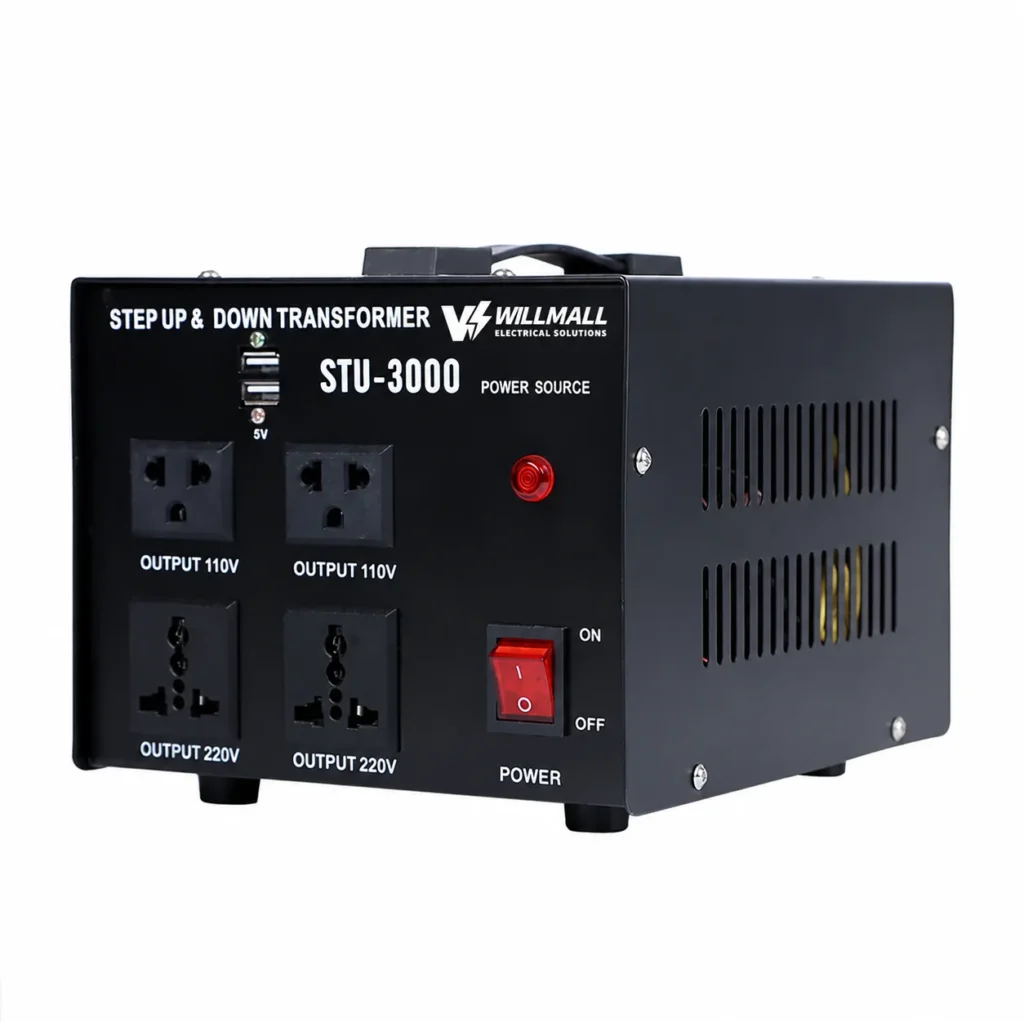
Magnetic vs Electronic Low Voltage Transformer: Which Is Better?
If you have been shopping for outdoor or low voltage lighting, you have seen the same two boxes on every listing: heavy magnetic units that cost a bit more, and light electronic ones that look like a bargain. Both step your 120V or 220V mains down to a safe 12V or 24V for the lights. Beyond that, they behave like different animals, and picking the wrong one usually shows up later as flicker, early failure, or a dimmer that does nothing. Since we wind both styles in our factory in Yueqing, China, and test them on the same bench, this is the honest comparison we give buyers who ask which one to order.

What a Magnetic Low Voltage Transformer Is Made Of
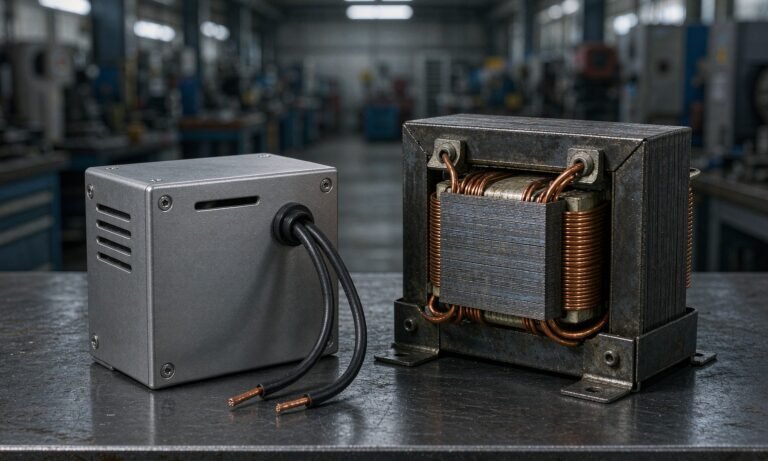
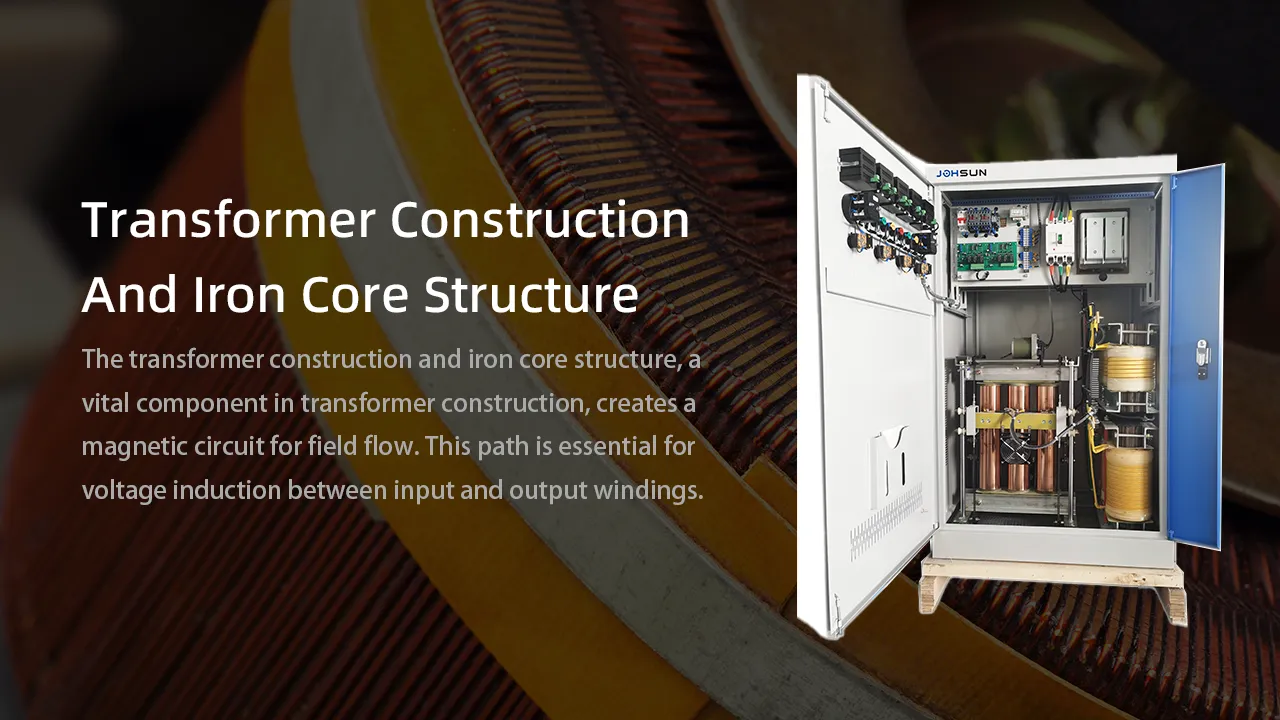
A magnetic low voltage transformer is the old-school design, and by “old-school” we mean proven. Inside the metal case you find a stack of steel laminations forming the core, with two separate coils of copper wire wound around it. Mains voltage goes into the primary coil, and the magnetic field in the steel induces a lower voltage in the secondary coil. The turns ratio between the two coils decides the output. It is simple, it has been doing the same job for a hundred years, and there is very little inside to fail.
That simplicity is why a magnetic unit can weigh four or five times as much as an electronic unit with the same VA rating. The steel core is the weight, and the steel is also the reason it hums softly at the mains frequency. Some buyers see the weight as a downside and others read it as a good sign, and honestly, both are right. The weight tells you there is real copper and real iron doing the work, which is why we wind our lighting transformers with copper rather than aluminium; aluminium is lighter and cheaper, but at the same VA it runs hotter, and heat is the enemy of winding insulation.
The core design itself makes a difference you can hear and feel. An EI core unit is the classic rectangular box, cheapest to build and perfectly fine for most jobs. A toroidal core is wound like a donut, runs quieter and cooler, and costs more for the same rating. If you are weighing the trade-offs, our comparison of toroidal vs EI transformer designs explains which one suits continuous lighting duty, and you can see our actual toroidal core transformers for the range we build.
Magnetic vs Electronic Low Voltage Transformer: Where They Actually Differ
Strip away the marketing and the practical differences come down to five things: size, weight, how they handle overloads, what they can dim, and how long they last. Electronic units run at a high switching frequency instead of the 50 or 60Hz mains frequency, which lets the manufacturer use a much smaller core and far less copper. That is why a 300VA electronic unit fits in your hand while a magnetic one takes two. The trade is that electronics are more sensitive about what you connect to them.
Magnetic units are blunt instruments in the best way. They accept momentary overloads that would make an electronic unit shut down or fail, they shrug off the switch-on surge of a heavy load, and they output a clean 60Hz sine wave that works happily with older lighting circuits. Electronic units are efficient and feather-light, but many of them refuse to start into a very light load, buzz with certain dimmers, and give up if a short develops on the output side.
Here is the part nobody puts on the box: the expected lifespan of a magnetic transformer is measured in decades when it is not overloaded, because there is almost nothing to wear out. An electronic unit has capacitors that age with heat and time, and five to eight years of hard outdoor service is a realistic expectation before one of them gives up. For a lighting system buried in a garden or mounted on a post, that difference in service life matters a lot.
Surges, Short Circuits and the Loads Each Type Tolerates
Think about where a low voltage lighting transformer lives. It sits outdoors or in a garage, it feeds cables that run through damp soil, and it switches on at dusk every single day. That environment is full of small shocks: inrush when it starts, spikes from the grid, occasional moisture in a connector. A magnetic unit absorbs these because its only real limits are heat and the current rating of its wire. The core saturates a little, the unit gets warm, and life goes on.
An electronic unit has a control board that is trying to do a very precise job, and precision circuits do not enjoy surprises. Run it at the edge of its rating, feed it a load that is too small, or hit it with a hard short and the board either shuts down protectively or dies. That is not a manufacturing flaw, it is the nature of switch-mode design. Buy electronic because you want small and light and efficient, not because you want a unit that forgives mistakes.
If you are comparing housing and protection options for an outdoor install, the physical build matters as much as the electrical design. A potted or encapsulated unit seals the coil against moisture, while a ventilated dry type runs cooler indoors but should stay out of the rain. The full difference is covered in our notes on dry type vs encapsulated transformer construction, which is a real factor when the unit mounts beside a walkway.
Dimming Compatibility: The Decision Most Buyers Get Wrong
Dimming is where the two types really part ways, and most of the confusion we untangle comes from here. A magnetic unit dims with a trailing-edge magnetic low voltage dimmer, often shortened to MLV dimmer, which is built to handle the inductive load of a coil. An electronic unit needs a leading-edge electronic low voltage dimmer, an ELV type, and the two dimmers are not interchangeable. Fit the wrong pair and you get flicker, a buzzing transformer, or lights that only turn on at full brightness.
That mismatch is why we always ask two questions before recommending a unit: what fixtures are you running, and what dimmer is already on the wall? If the dimmer is installed and you do not want to change it, the transformer should match the dimmer, not the other way around. Most buyers ask this after the lights are wired, so if you are planning a new run, decide the transformer and the dimmer together and you will save yourself a headache.
There is a third layer that makes everything trickier: LED fixtures. A magnetic unit outputting 12V AC works fine when the LED fixture has its own driver that accepts AC input, but LED bulbs designed for electronic transformers behave differently on a magnetic output. That pairing question is big enough that it deserves its own reading, so if LEDs are involved, check the compatibility notes before you order either type.
Electronic Units: When Light and Cheap Really Does Win
Let us be fair to the electronic side, because there are jobs where it is the right tool and the magnetic unit is overkill. If you are running LED strip lighting under kitchen cabinets, powering a handful of low wattage LED spotlights indoors, or feeding a sign that draws a steady, known load, a small electronic driver-style unit is cheaper, quieter, lighter to mount, and more efficient at converting the mains. For fixed indoor loads that never surge, the electronics are genuinely the better buy.
The problems start when people take that indoor logic outdoors or onto mixed loads. Outdoor lighting circuits change with the season as fixtures get added and cables age, and the tolerance that saves a magnetic unit does not exist in the electronic one. Keep the electronic unit for the job it was designed for, a steady, predictable load in a dry place, and it will serve you well for years.
If your customer or your contractor insists on electronic for a lighting run, at least match the unit to the real load, not the maximum you might add later. Electronic transformers are far less forgiving of being undersized, and running one at full nameplate continuously shortens its life quickly. Give it the same 20 percent headroom you would give a magnetic unit and it will behave.
Heat, Noise and Service Life in Everyday Use
In daily service the two types feel different, and knowing what is normal stops you from replacing a healthy unit. A magnetic unit runs warm, hums softly, and is heavy enough that you mount it securely rather than tape it to a joist. A magnetic case that is too hot to hold is overloaded, but normal operating warmth is not a fault. An electronic unit barely hums at all, runs cooler to the touch, and is light enough to support on a small bracket, which is exactly why it gets used in tight spots.
Noise tells its own story. The soft 60Hz hum of a magnetic unit is a sound most people stop noticing after a day. Electronic units at high frequency are essentially silent to human ears, though some cheap ones emit a faint whine that younger customers can hear and older ones cannot. If a magnetic unit suddenly gets loud, check the mounting and the dimmer before blaming the unit, and if an electronic unit starts whining, its capacitors are usually on the way out.
Plan for replacement and service from the start: buy a magnetic unit for outdoor or high duty runs where a decade of service matters, choose electronic where weight and silence matter more than lifespan, and keep spare VA headroom in both cases. That one decision, made before you buy, prevents most of the “why is it failing already” messages that land in our inbox.
So Which Should You Order? The Straight Answer
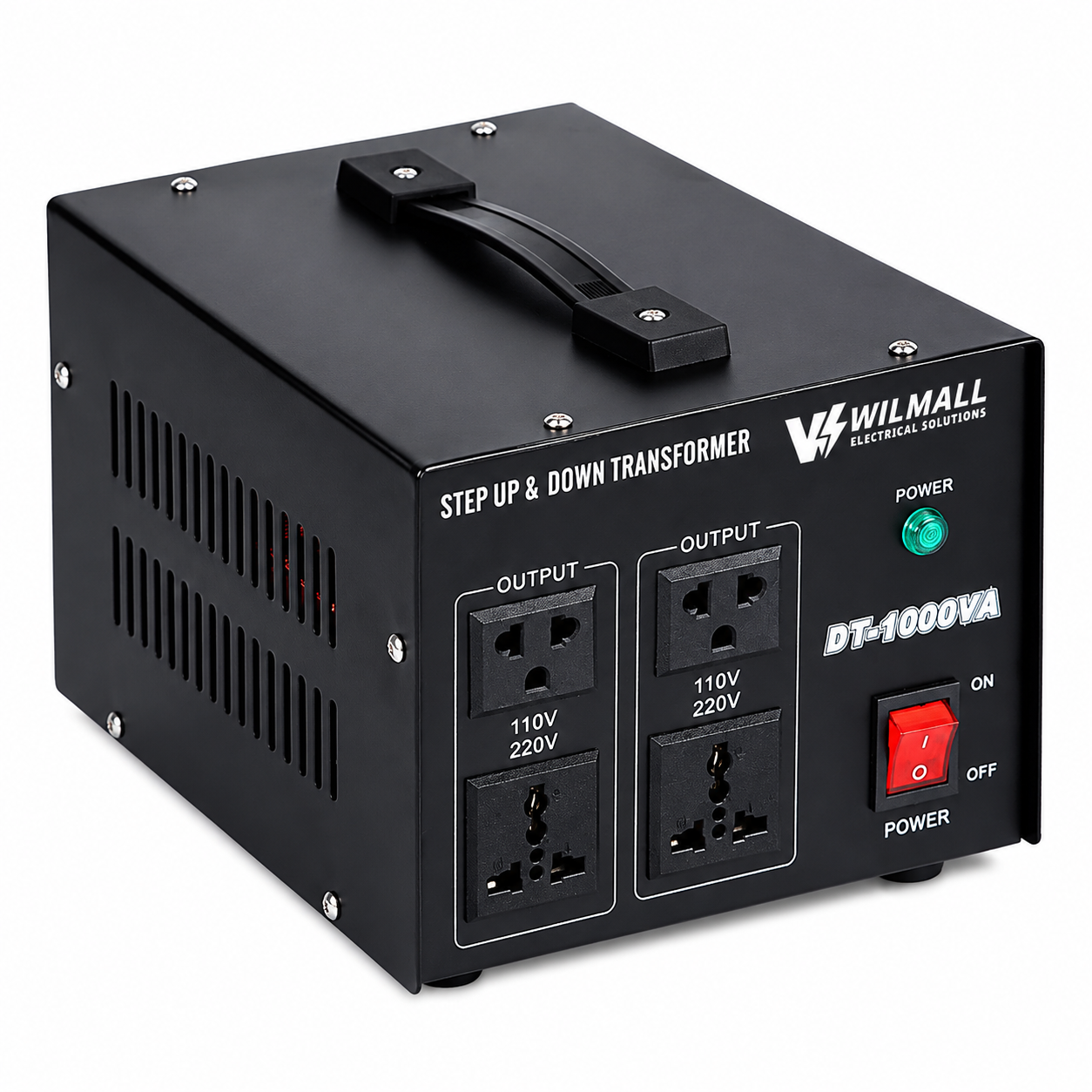
If the question is for outdoor landscape lighting, path lights, or any circuit that lives in the weather and switches on and off daily, order the magnetic low voltage transformer. The extra weight buys you surge tolerance, simple dimming compatibility, and a service life measured in decades. If the question is for a fixed indoor LED load with a known wattage, the electronic unit is lighter, cheaper, and perfectly dependable. Most buyers already sense which one they need; this page just gives them permission to trust it.
Whatever you choose, size it honestly. Add the full connected wattage, leave at least 20 percent headroom, and think about the fixture additions you will make next season, because nobody ever adds fewer lights later. We wind our magnetic units with copper, test every piece under full load before it leaves the bench, and keep the test records on file. If you tell us your fixture list, your voltage, and whether a dimmer is involved, we will point you to the right type and VA before you spend money on the wrong one.
Common Questions about Magnetic Low Voltage Transformers
Here are the answers we give most often when buyers are stuck between the two technologies.
Is a magnetic low voltage transformer better than an electronic one for LED lights?
It depends on the LED fixture. A magnetic low voltage transformer suits LED fixtures that accept 12V AC input, while LED bulbs designed for electronic drivers may flicker or refuse to dim on a magnetic output. Check the fixture specification, and if the wall dimmer is already installed, match the transformer to that dimmer type first.
Why is a magnetic low voltage transformer so much heavier than an electronic one?
The weight is the steel core. A magnetic low voltage transformer runs at the 50 or 60Hz mains frequency, so it needs a full steel core and copper coils, and that is simply heavy. Electronic units switch at high frequency on a tiny core, which is why they weigh a fraction as much.
Can I use any dimmer with a magnetic low voltage transformer?
No. A magnetic low voltage transformer needs a trailing-edge MLV dimmer built for inductive loads, while an electronic unit needs a leading-edge ELV dimmer. Mixing them causes flicker, buzzing, or lights stuck at full brightness. Decide the transformer and dimmer together before wiring, because swapping either one afterwards is expensive.
How long does a magnetic low voltage transformer last compared to an electronic one?
A magnetic low voltage transformer that is not overloaded typically lasts for decades because it has almost nothing to wear out. An electronic unit contains capacitors that age with heat and time, and five to eight years of hard service is a realistic expectation. For outdoor circuits in the weather, the magnetic unit usually wins on lifespan.
Why does my electronic transformer hum or stop working with a light load?
Many electronic units are designed to start into a minimum load and will buzz, flicker, or refuse to switch on when the connected wattage is below that threshold. That is the nature of switch-mode design, not a defect. A magnetic low voltage transformer has no such minimum and will happily run a single small fixture.
Not sure whether your project needs a magnetic or an electronic unit? Send us your fixture list, input voltage, and dimmer details and we will recommend the right type and VA. We build both styles with copper winding in Yueqing, China, and every unit is 100% tested under load. MOQ 10 pcs, lead time 15-25 days, FOB Ningbo or Shanghai, 12-month warranty.
Get a Free Quote WhatsApp +86 197 3022 6757 · sales@wilmall.com