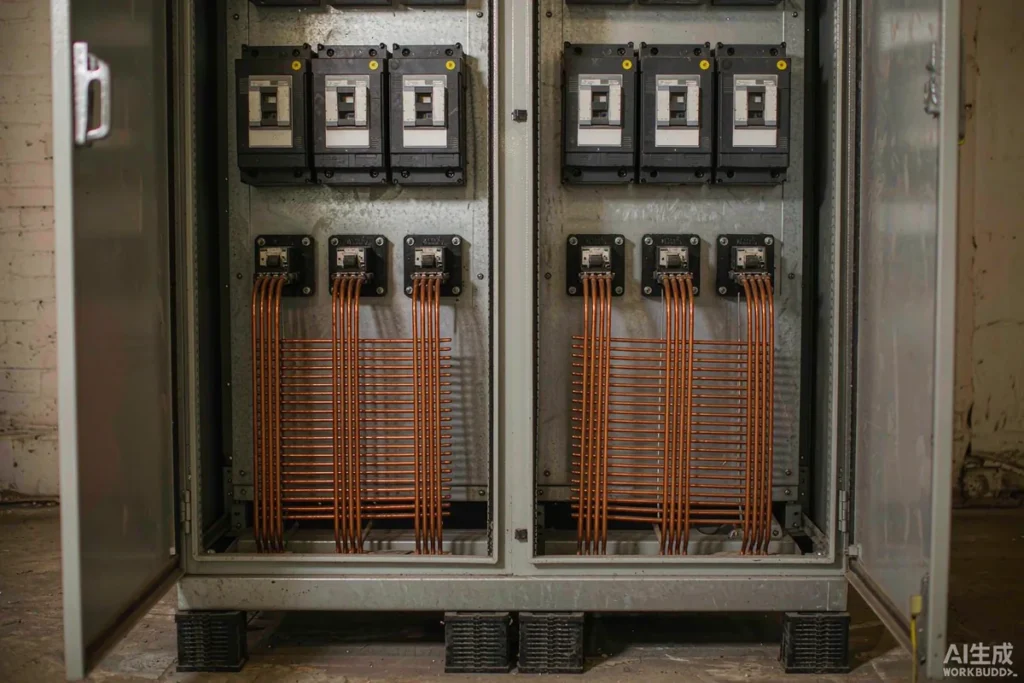
Single Phase vs Three Phase Transformer Sizing: A Buyer Guide
If your project has more than one big machine in it, someone will eventually ask: single-phase or three-phase transformer? The answer decides the price, the size, the wiring and whether your equipment runs at all. Yet most of the guides online treat it as a footnote. It is not. The two systems use different math, different wiring and different transformers, and mixing them up is an expensive mistake. Here is the buyer-level guide to single-phase vs three-phase transformer sizing, written the way I explain it to customers who are wiring up a workshop, a bakery, a building or a small factory.
Single Phase vs Three Phase: What Is Actually Different
Single-phase power is what comes out of a normal household outlet: one live wire and one neutral, alternating at 50 or 60Hz. The voltage swings from zero to peak and back 50 or 60 times per second, and the power delivered pulses with it. It is simple, cheap and fine for appliances up to a few kilowatts.
Three-phase power uses three live wires whose voltages peak at different moments, one-third of a cycle apart. Because the three phases overlap, the delivered power is smooth and constant instead of pulsing. A three-phase motor is smaller, cheaper and more efficient than a single-phase motor of the same power, which is why industry runs three-phase wherever it can. A single-phase motor above about 3HP gets large, heavy and expensive, and that is the practical line where three-phase takes over.
The Sizing Formulas: Where the Root of Three Comes From
Here is the part that catches everyone, including engineers who work single-phase every day and meet three-phase once a year:
Single-phase VA = Volts × Amps
Three-phase VA = Volts × Amps × 1.732
The 1.732 is the square root of three, and it appears because three-phase power is delivered over three wires with a 120-degree phase angle, so the phases do not simply add, they combine vectorially. The practical meaning: a 380V three-phase motor drawing 20A per phase needs 380 × 20 × 1.732 ≈ 13,160VA of transformer, not the 7,600VA the single-phase formula would suggest. Using the wrong formula undersizes the transformer by almost half, and the unit will overheat on the first full-load run.
Note the voltages matter too. In three-phase systems the “voltage” you quote depends on whether you measure phase-to-phase or phase-to-neutral. A common industrial system is 380V phase-to-phase with 220V phase-to-neutral, or 400V/230V in Europe, or 480V/277V in the US. When you order a three-phase transformer you specify both, for example “primary 380V three-phase, secondary 220V three-phase”, and the factory winds the ratios accordingly.
Which Jobs Actually Need a Three-Phase Transformer
Not every business load needs three-phase, and paying for it when you do not wastes money. The usual cases that genuinely need it:
- Three-phase machines: industrial compressors, CNC machines, injection moulding, commercial ovens, large pumps and fans, elevators, conveyor systems. If the machine’s nameplate says “3-phase” or shows three input wires, it needs a three-phase supply.
- Big single loads above ~3HP/2.2kW: even if the machine could be single-phase, above this line three-phase is the standard and the machine is often sold three-phase only.
- Future-proof buildings: a workshop that starts single-phase but will add machines later often brings three-phase in once, because retrofitting a three-phase feed later is expensive.
If your building only has single-phase supply but the machine is three-phase, you cannot simply “plug it in”. You need either a three-phase feed from the utility or a phase converter / VFD arrangement, and that is a different conversation from transformer sizing. If the building has three-phase but the wrong voltage, that is exactly where a three-phase transformer comes in.
| Installation Type | Typical System | Transformer Example |
|---|---|---|
| Household appliances | Single-phase 120V/230V | Single-phase step down 220V to 120V |
| Small workshop (under 3HP machines) | Single-phase or three-phase | Single-phase 220V to 110V/380V options |
| Industrial machine (CNC, compressor) | Three-phase 380V/400V/480V | Three-phase isolation transformer 1:1 |
| Commercial HVAC / elevator | Three-phase | Three-phase transformer matched to motor bank |
Sizing a Three-Phase Transformer Step by Step
When a customer sends us a three-phase machine spec, here is the sizing sequence we run:
1. Read the machine nameplate. Note the phase (3-phase), the voltage (e.g. 380V or 400V), and the full-load amps per phase.
2. Compute VA = volts × amps × 1.732.
3. Apply duty margin. For continuous industrial duty, add 20%: × 1.2. For motors with heavy start loads, confirm the start current and size so the transformer holds output voltage during start, or plan a soft starter.
4. Decide isolation vs autotransformer. If the machine electronics need clean, isolated power, or the neutral/grounding arrangement must change, use an isolation transformer. If it is a simple fixed-ratio feed for resistive or motor loads and grounding is fine, an autotransformer is cheaper and smaller.
5. Round up to a standard rating and confirm the primary and secondary wiring configuration (delta or wye) with the factory.
Send us the full nameplate and we will do this for you. Three-phase transformer errors are expensive, and a 20-minute check before ordering beats a crane and a return shipment after.
Isolation vs Autotransformer in Three-Phase Systems
The same isolation-versus-autotransformer choice exists in three-phase as in single-phase, and the stakes are higher because the loads are bigger:
- Three-phase isolation transformer: the primary and secondary windings are electrically separate. It converts voltage, breaks the ground path, and cleans the supply. Use it for machine electronics, medical or lab equipment, and any installation where the local grounding rules demand separation. Our three-phase isolation transformers are built 1:1 or with custom ratios from 5kVA up.
- Three-phase autotransformer: one continuous winding with taps, electrically connected between input and output. It is smaller, lighter and cheaper per kVA, but it does not isolate. Use it for straightforward voltage conversion of motor and resistive loads where grounding is not a concern.
The ratio decides which one the project needs more often than the budget does. For a 380V to 220V conversion in a workshop, an autotransformer is the economical norm. For feeding a CNC control cabinet or a hospital imaging room, an isolation transformer is the safe default. If you are not sure which camp your machine falls into, tell us the machine type and we will tell you which to buy.
Delta and Wye: The Wiring Configuration on the Nameplate
Three-phase transformers and machines are connected in one of two ways, and the nameplate shorthand trips up first-time buyers:
- Delta (Δ): the three windings form a closed triangle. Delta has no neutral, so it delivers only phase-to-phase voltage. Common for industrial motors and simple loads.
- Wye (Y), also called Star: the three windings meet at a common neutral point. Wye delivers both phase-to-phase and phase-to-neutral voltages, which is why 400V/230V systems (Europe) and 480V/277V systems (US) are wye: the lower voltage comes from phase to neutral.
A transformer nameplate might read “Dyn11”, which means: primary connected delta, secondary connected wye with the neutral brought out, phase shift of 30 degrees (the “11” is a clock-figure notation). If your machine or transformer specifies a particular configuration, match it. We build three-phase transformers to the configuration your country and machine require, and we print the connection diagram on the unit label so the electrician on site does not have to guess.
Balance Your Phases: The Load-Spreading Rule
One rule that prevents half the three-phase problems we see: spread single-phase loads across the three phases. A building with three-phase supply that runs single-phase lighting, outlets and small machines needs those loads distributed roughly evenly across L1, L2 and L3. If everything hangs on one phase, that phase’s transformer winding runs hot while the other two loaf, and the transformer derates or trips.
When you order a three-phase transformer that also feeds single-phase loads through the neutral, tell us the single-phase load split. We size the windings and can advise the electrician on the breaker arrangement, because a balanced installation is a cool-running installation, and an unbalanced one is a warranty call waiting to happen.
Picking the Voltage Class: 380V, 400V, 415V and 480V Systems
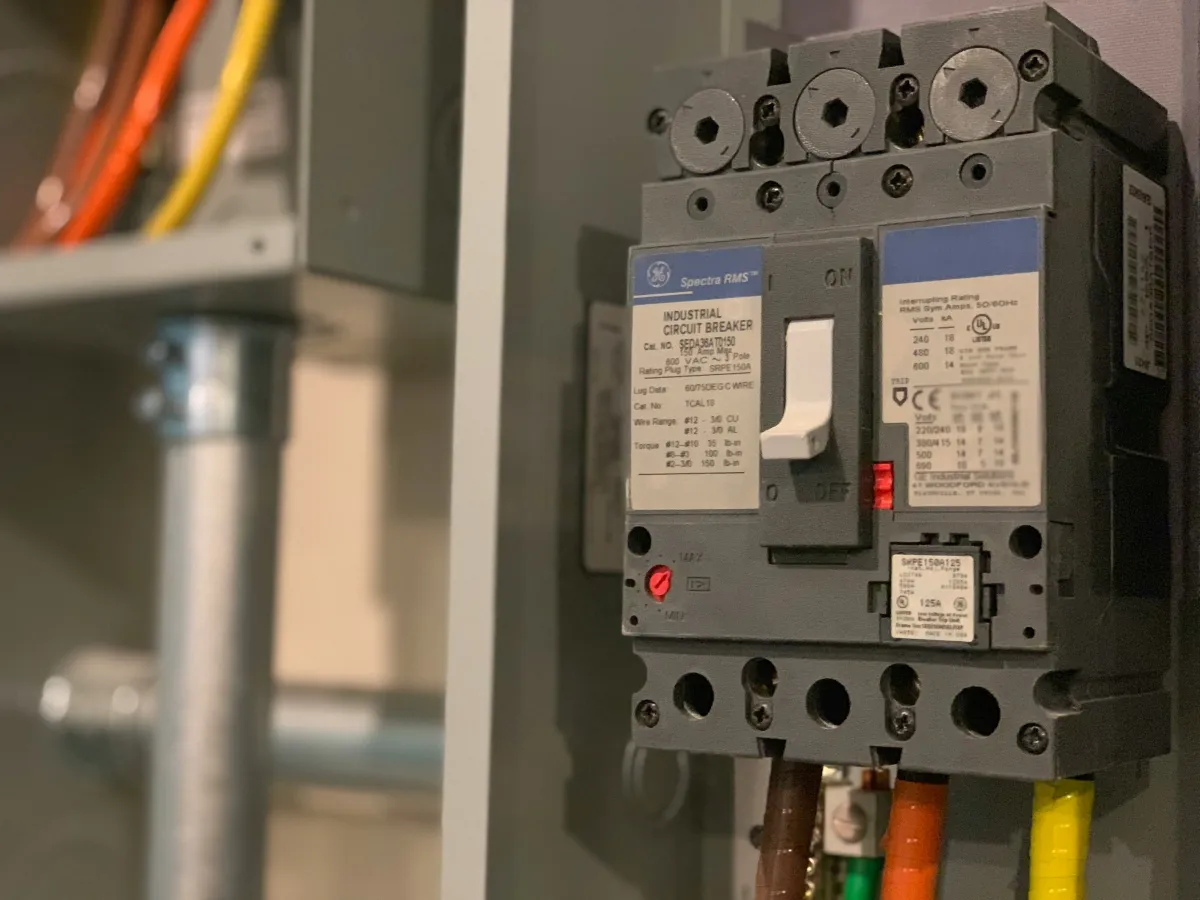
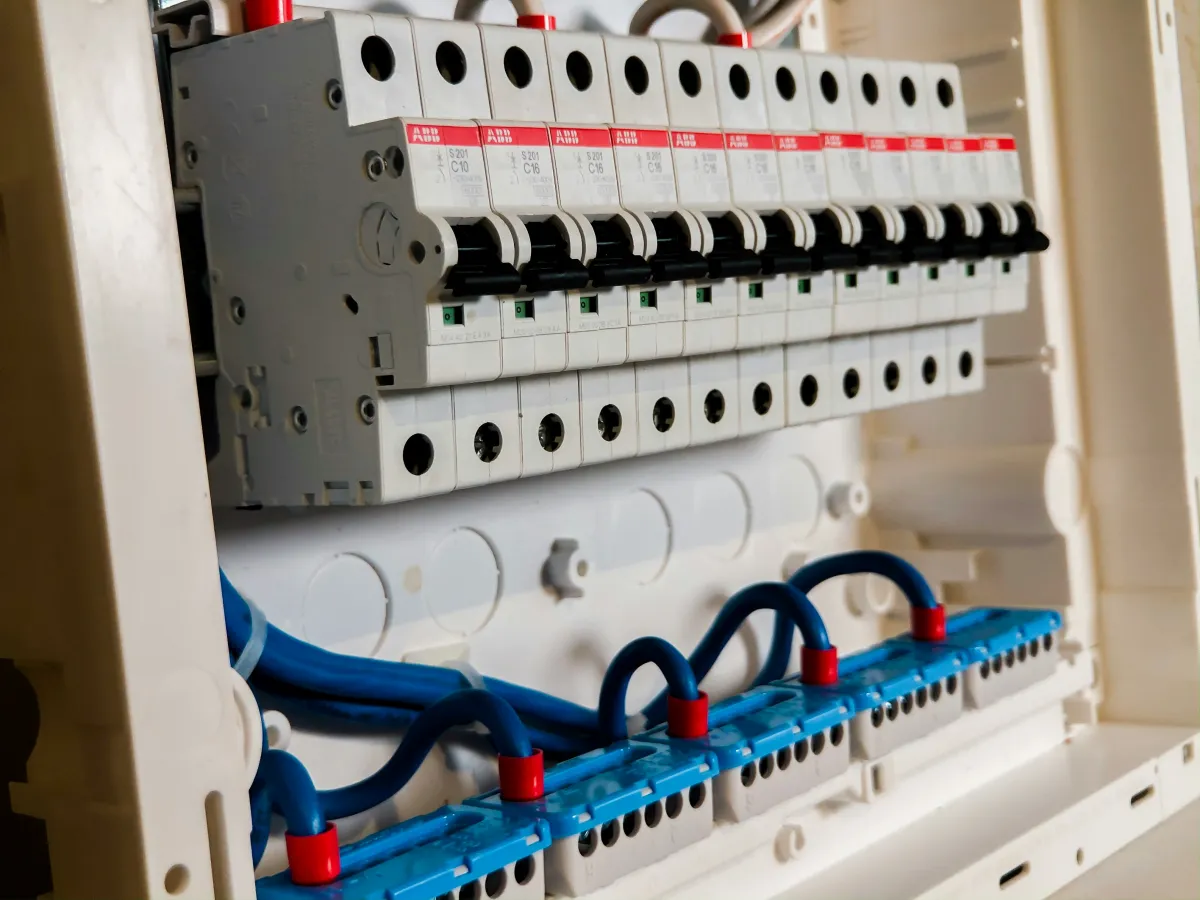
Three-phase transformers come in voltage classes that follow national grids, and quoting the wrong one is a silent killer because the machine runs but runs hot. The common classes are 380V (much of China, Russia and parts of the Middle East), 400V (standard in Europe and much of Africa and Asia), 415V (common in the UK, India, Pakistan and other former British-standard grids) and 480V (the US industrial standard). A transformer with a 380V primary fed from a 415V grid runs high on the secondary, and a machine rated for 400V fed at 437V is outside tolerance. When you order, state the actual measured supply voltage of the site, not the nominal value from a brochure, because grids drift and the difference is exactly where failures start.
Frequently Asked Questions: Single vs Three Phase Transformers
How do I calculate the VA of a three-phase transformer?
Use VA = volts x amps x 1.732, where volts is the phase-to-phase voltage and amps is the current per phase. A 380V three-phase motor drawing 20A needs about 13,160VA. The 1.732 factor is the square root of three, and forgetting it undersizes the transformer by nearly half.
Can I run a three-phase machine from a single-phase transformer?
No. A three-phase machine needs three-phase supply with the correct phase-to-phase voltage. If your building only has single-phase, you need a three-phase utility feed or a phase converter, which is a separate system from a transformer.
What is the difference between an isolation transformer and an autotransformer in three-phase?
An isolation transformer has electrically separate primary and secondary windings, converting voltage while breaking the ground path, which suits electronics and medical loads. An autotransformer uses one continuous tapped winding, is smaller and cheaper, and suits straightforward motor and resistive loads where isolation is not required.
What does delta and wye mean on a three-phase transformer?
Delta connects the three windings in a triangle with no neutral, delivering only phase-to-phase voltage. Wye (star) joins the windings at a neutral point, delivering both phase-to-phase and phase-to-neutral voltages. The nameplate configuration, such as Dyn11, must match your machine and grid.
When should I choose a three-phase transformer instead of single-phase?
When the machine is three-phase, or the single load exceeds roughly 3HP/2.2kW where single-phase motors become large and inefficient. Industrial compressors, CNC machines, commercial ovens, pumps and elevator systems typically require three-phase transformers sized per phase with VA = volts x amps x 1.732.
Spec’ing a three-phase installation and want a second opinion on the transformer? Send us the machine nameplates and your country’s supply voltage. We build single-phase and three-phase isolation transformers from 5kVA up, wound and 100% tested in our own factory. Email sales@wilmall.com or WhatsApp +86 197 3022 6757.
More on transformer types: how to calculate transformer VA rating and our step up and down transformer range for single-phase needs.