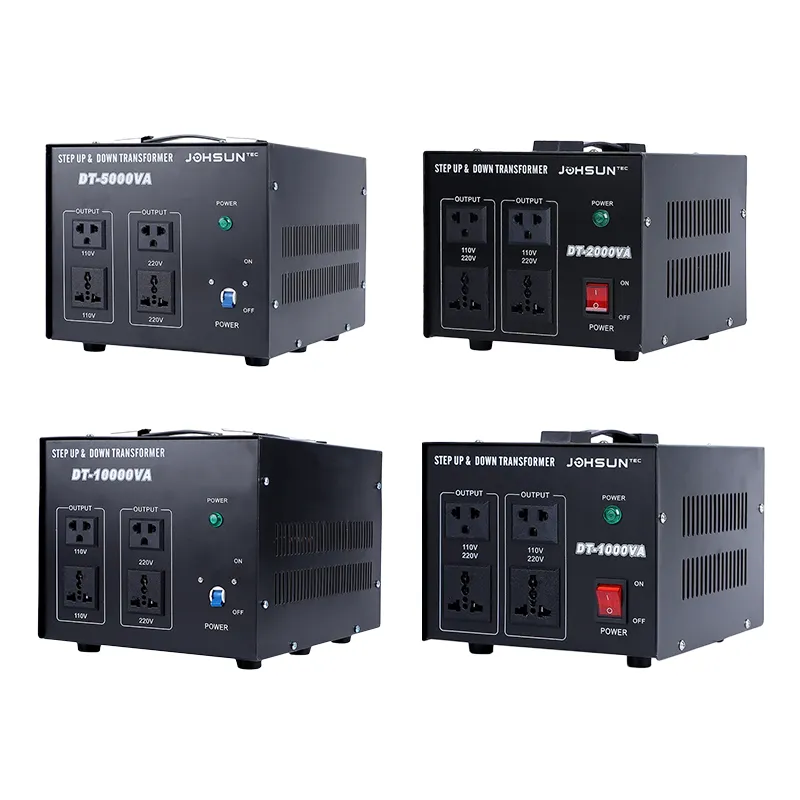
How to Choose a Step Down Transformer: Voltage and Wattage
Quick answer: to choose a step down transformer, match three numbers — input voltage (220V), output voltage (110V), and wattage (add 20–30% over your appliance’s running load). Everything else is details. Get those right and you won’t be the person posting “why does my transformer keep tripping?” in a Facebook group next month.
Key Takeaways
- Match three numbers: input voltage, output voltage, and wattage (add 20-30% margin).
- Size for the start-up surge — fridges and motors draw 3-5x their running watts at start.
- A real transformer is not an electronic “converter” — the cheap switchers cannot handle motors or compressors.
- CE, RoHS and ISO9001 production standards are the minimum certification to trust.
Quick Size Guide
| Appliance | Recommended size |
| Laptop / TV / small electronics | 500VA |
| Blender / coffee machine | 1000-1500VA |
| Refrigerator / microwave | 2000VA |
| Power tools / washing machine | 2000-3000VA |
Step 1: Confirm the Voltage Direction
A step down transformer takes a higher input voltage and delivers a lower output voltage. The most common request we get is 220V in, 110V out — usually because someone bought a US or Japanese appliance (110V) and lives in a 220V country like Saudi Arabia, the Philippines, Nigeria or the UAE.
If you need it the other way (110V in, 220V out), that’s a step up transformer, and the sizing rules below still apply — just flip the input and output columns.
Step 2: Calculate the Wattage You Actually Need
Here is where most people make the mistake. They look at the appliance label, read “1000W”, and buy a 1000W transformer. That works — until the appliance draws more at start-up, or runs hot for hours.
| Appliance | Typical Running Watts | Recommended Transformer |
| Laptop / phone charger | 50–100W | 500VA |
| TV up to 55″ | 100–200W | 500VA |
| Blender / coffee machine | 600–900W | 1000–1500VA |
| Refrigerator | 150–300W (start-up higher) | 2000VA |
| Microwave | 900–1200W | 2000VA |
| Power tools (drill, grinder) | 800–1500W | 2000VA |
| Washing machine / dryer | 500–1500W | 3000VA |
The rule: add 20–30% on top of the running watts, then pick the next size up. A 2000W appliance on a 2000VA transformer is running at the edge — it will run hot and its life shortens.
Give it headroom — and if you are not sure, read the sizing table again before you order.
, then pick the next size up. A 2000W appliance on a 2000VA transformer is running at the edge — it will work, but it will run hot and its life shortens. Give it headroom. /p>
Step 3: Understand the Difference Between a Transformer and a “Converter”
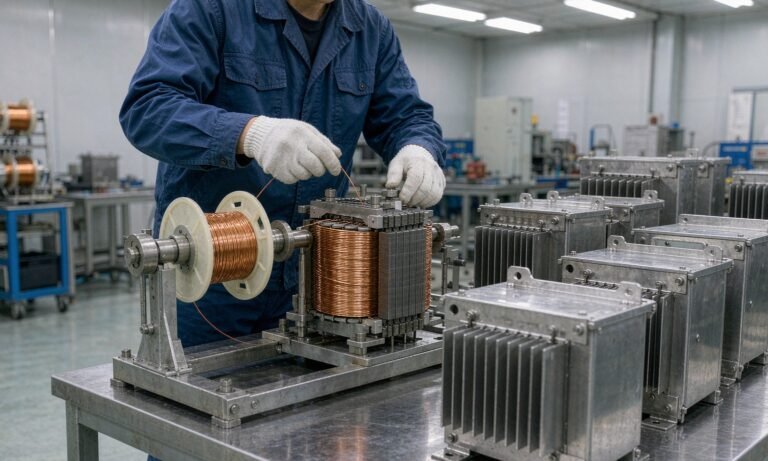
This is the trap. Many cheap products sold as “voltage converters” are actually electronic switchers — fine for laptop chargers, dangerous for anything with a motor, compressor or heating element. A real step down transformer is a wound-copper unit: heavier, cooler, and built for continuous loads.
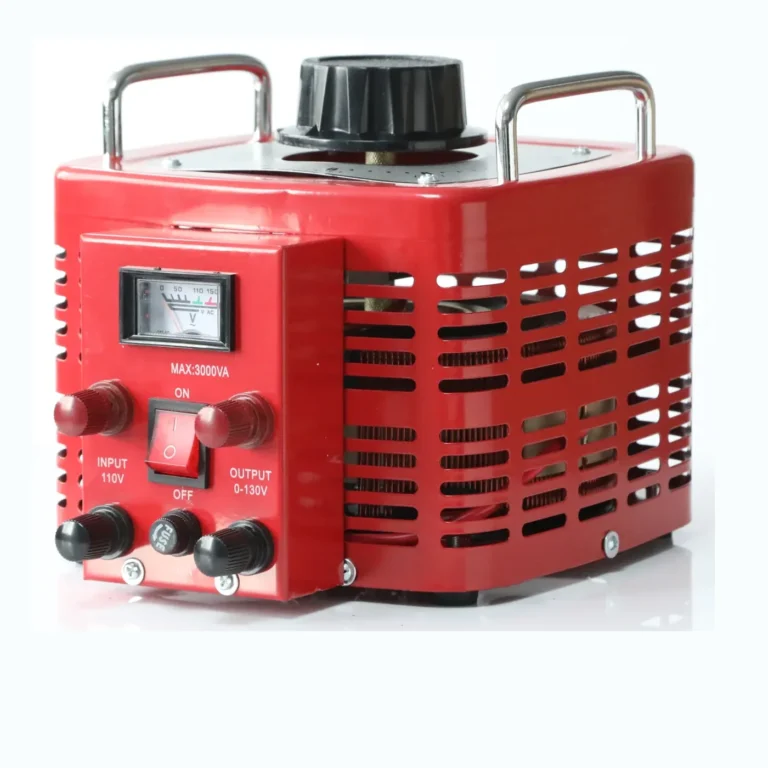
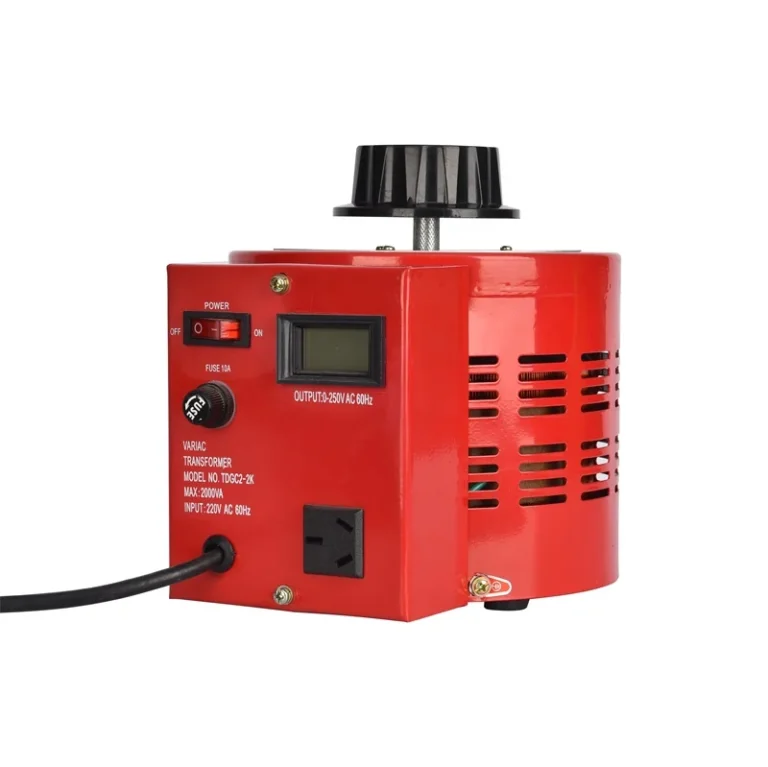
If you’re running a fridge, washing machine, microwave or power tools, use a transformer-based unit. It costs a little more upfront and lasts years longer. Our ST-2000 step down transformer is a true transformer with built-in residual current protection — the model we recommend for home use.
Step 4: Check Safety Features
Three things matter:
- Overload / short-circuit protection — fuse or MCB so a fault doesn’t become a fire.
- RCD / leakage protection (for home units) — cuts power if current leaks to earth. Non-negotiable when running 110V appliances on 220V mains.
- Certification — CE, RoHS and ISO9001 production standards at minimum. A transformer with no certification is a gamble with your appliances.
Common Mistakes When Buying a Step Down Transformer
- Buying by appliance watts, not VA. VA is volts x amps — for transformer sizing it’s the number that matters.
- Undersizing for motors and compressors. A fridge’s start-up surge can be 3-5x its running load.
- Ignoring plug type. Make sure the output socket matches your appliance (US/EU/UK).
- Buying an electronic converter for heavy loads. See Step 3.
- Forgetting the 110V socket standard. If you’re in a 220V country, your output side needs the plug your appliance expects.
When you are ready to compare models, browse the step up and step down transformer range for ST, STU and DT series.
The 80% Rule: Why You Never Run a Transformer at Full Load
One number that keeps coming up in our sizing conversations is the 80% rule. It means you should never load a transformer to more than 80% of its VA rating for continuous use. A 2000VA unit, for example, is comfortable at 1600W of continuous load. The reason is simple physics: every transformer loses a little energy as heat, and that heat grows faster as the load climbs. At 100% load the core and windings run hot, the insulation ages quicker, and a marginal unit can trip its thermal protection on a warm day. When you add a 30% headroom on top of the running wattage of your appliance, you are effectively building in both the 80% rule and a safety cushion for start-up surges. That double margin is why we recommend a 1500VA transformer for a 1000W appliance rather than a 1000VA unit that would be running near its limit. It costs a little more, but it runs cooler, lasts longer, and handles the occasional surge without complaint.
Copper vs Aluminium Windings: What the Price Difference Buys You
When you see two transformers with the same VA rating at very different prices, the first question to ask is what is inside. Copper windings cost more but run cooler and more efficiently, and they hold up better under sustained load and voltage dips. Aluminium windings are cheaper, but they run hotter for the same rating, which means the insulation works harder and the unit is more likely to fail early in a hot climate. For a home appliance transformer that runs for years, the extra cost of copper is a few dollars spread over a long service life, and it buys quieter operation and a cooler case. For resellers, the winding material is also a sales point: customers in markets with weak grids and frequent brownouts notice when a transformer runs hot, and they remember the brand that failed. We wind our ST, STU and DT series with copper as standard, and the material is stated on the label and in the test report so you and your customers can see it.
How to Check the Output Voltage of a Transformer Before You Plug In
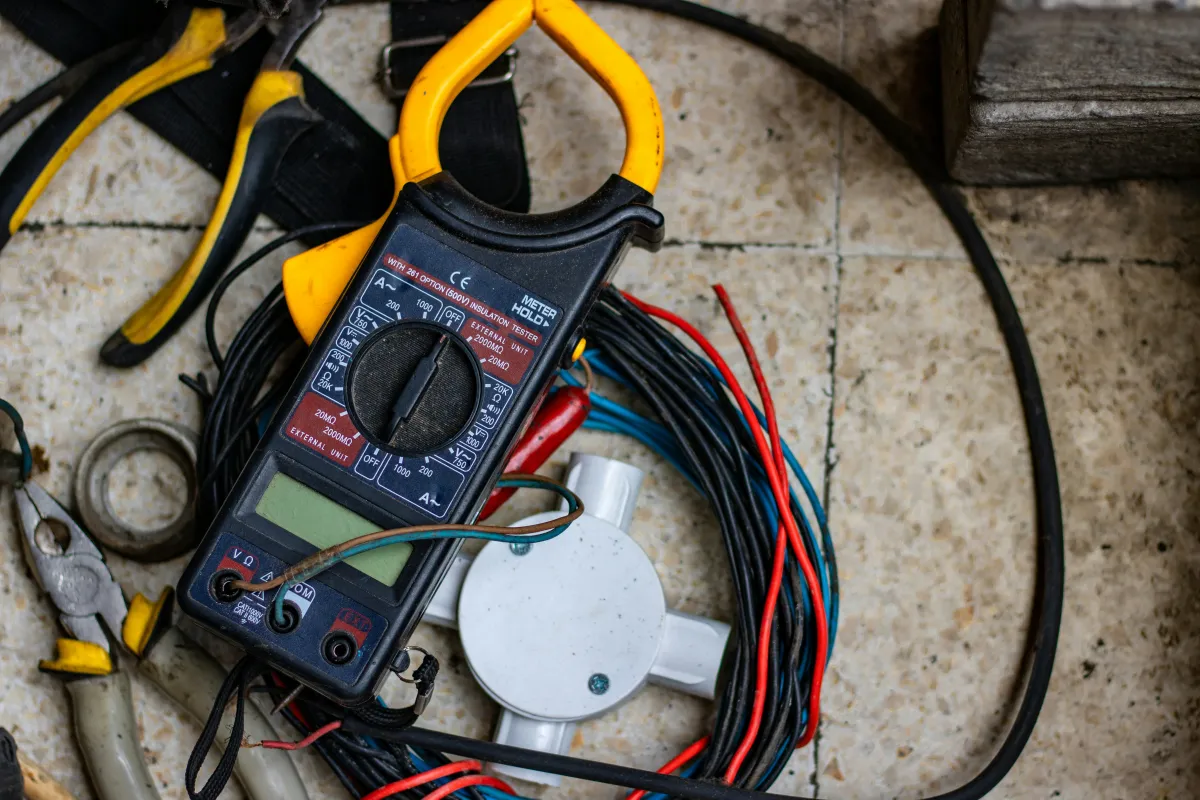
A quick safety habit saves a lot of frustration: measure the transformer’s output before you connect your appliance. Plug the transformer in, let it settle for a minute, and use a multimeter across the output terminals or socket. A unit rated 220V to 110V should read roughly 105 to 115V at no load, which is normal because transformers drift a few percent when unloaded. If you read 220V on the output, either the unit is wired wrong or you bought a step up transformer by mistake, and you should unplug it immediately. The same check applies in reverse for a step up unit: 110V in should give you about 215 to 225V out. This two-minute test catches wiring mistakes, factory defects, and the occasional mislabelled unit before they damage an appliance. It is the first thing our engineers do when a unit comes off the bench, and it is a habit worth copying if you buy transformers in volume.
Surge Protection and Circuit Breakers: The Extra Layer
A transformer handles voltage conversion, but it does not protect your appliance from everything. Voltage spikes from lightning, grid switching, or generator start-up can pass through and stress the appliance. For homes, adding a surge protector between the transformer and your appliance catches fast spikes. For installations with motors, pumps or compressors, a correctly rated MCB on the input side protects the transformer wiring if something shorts, and a slow-blow fuse on the output side handles start-up current without nuisance trips. Our STU series goes one step further with built-in RCD protection that cuts power on earth leakage, which matters in humid or older-wiring homes. The point is simple: the transformer is the voltage converter, and the protection devices around it are what keep both the transformer and the appliance alive over years of service. Skimping on protection to save a few dollars is the most common mistake we see in the field.
FAQ
What size step down transformer do I need for 220V to 110V?
Add 20–30% to your appliance’s running watts, then size up. 1000W of load → 1500VA transformer; 2000W → 3000VA.
Can I run a refrigerator on a step down transformer?
Yes, but size for the start-up surge — use at least 2000VA for a standard fridge.
Is a 500VA transformer enough for a TV?
Usually yes for TVs up to about 55″, but check the label — some large TVs draw more than you’d expect.
What’s the difference between VA and watts on a transformer?
VA is the transformer’s apparent power rating; watts are real power. For transformer sizing, use VA — it accounts for the load’s power factor.
How do I know if I need a step down or step up?
220V country with 110V appliance = step down. 110V country with 220V appliance = step up. Both directions are covered in our step up & step down transformer range.
Still not sure which model fits your appliance? Send us the appliance wattage and your country’s voltage — we reply within 24 hours with a straight recommendation, not a sales pitch.
Still not sure which model fits?
Tell us your appliance, wattage and country — we reply within 24 hours with a straight recommendation.
Related: Control Transformer Sizing
Working on a machine panel instead? Read how to size a control transformer for PLCs, relays and contactors.