Voltage by Country: 110V, 220V and 240V Guide | Wilmall
Before you plug an appliance into a foreign socket, check the local voltage. This guide lists voltage and frequency by region, and tells you which transformer you need for common conversions.
Why voltage matters
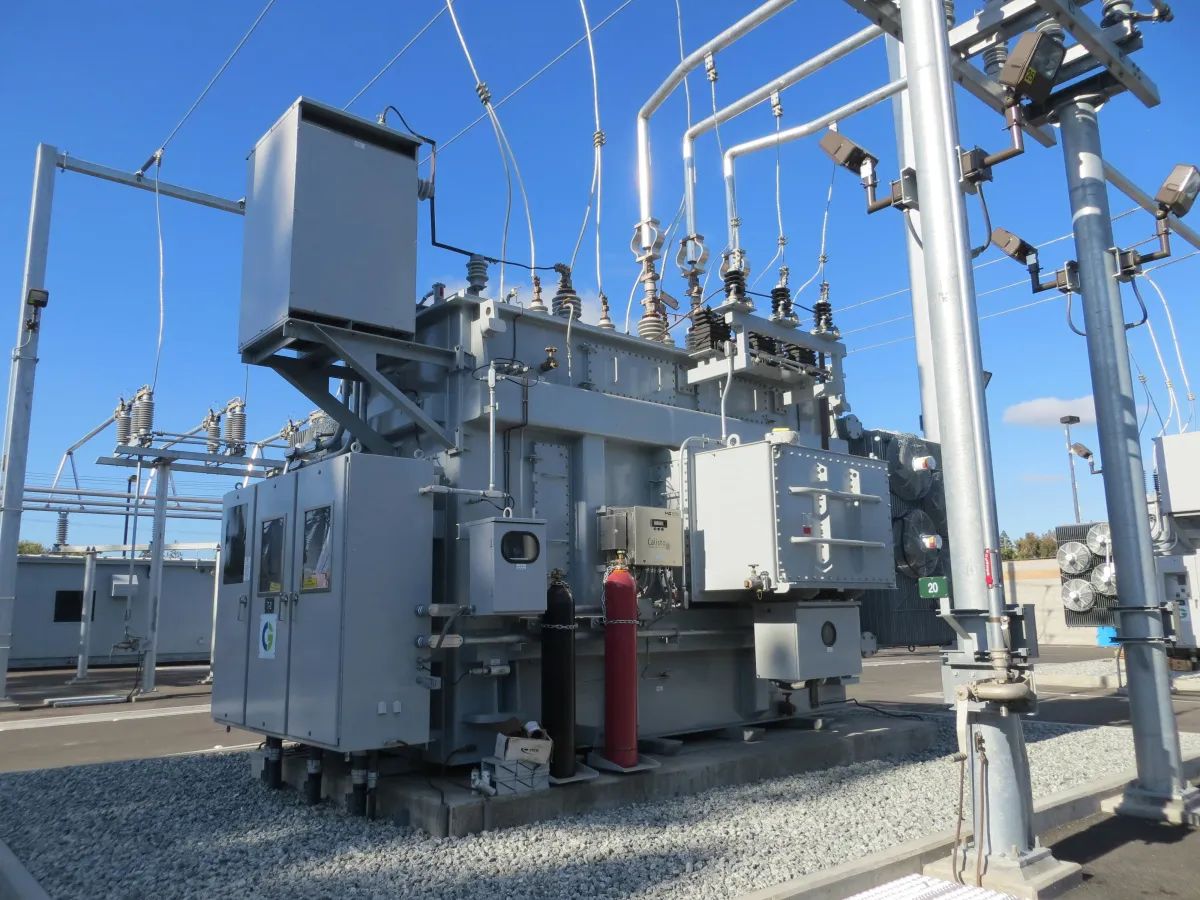
Plugging a 110V appliance into a 220V socket usually destroys it. Plugging a 220V appliance into a 110V socket means it will not run. A transformer matches the appliance voltage to the local supply, protecting the device and keeping it running correctly.
110V countries
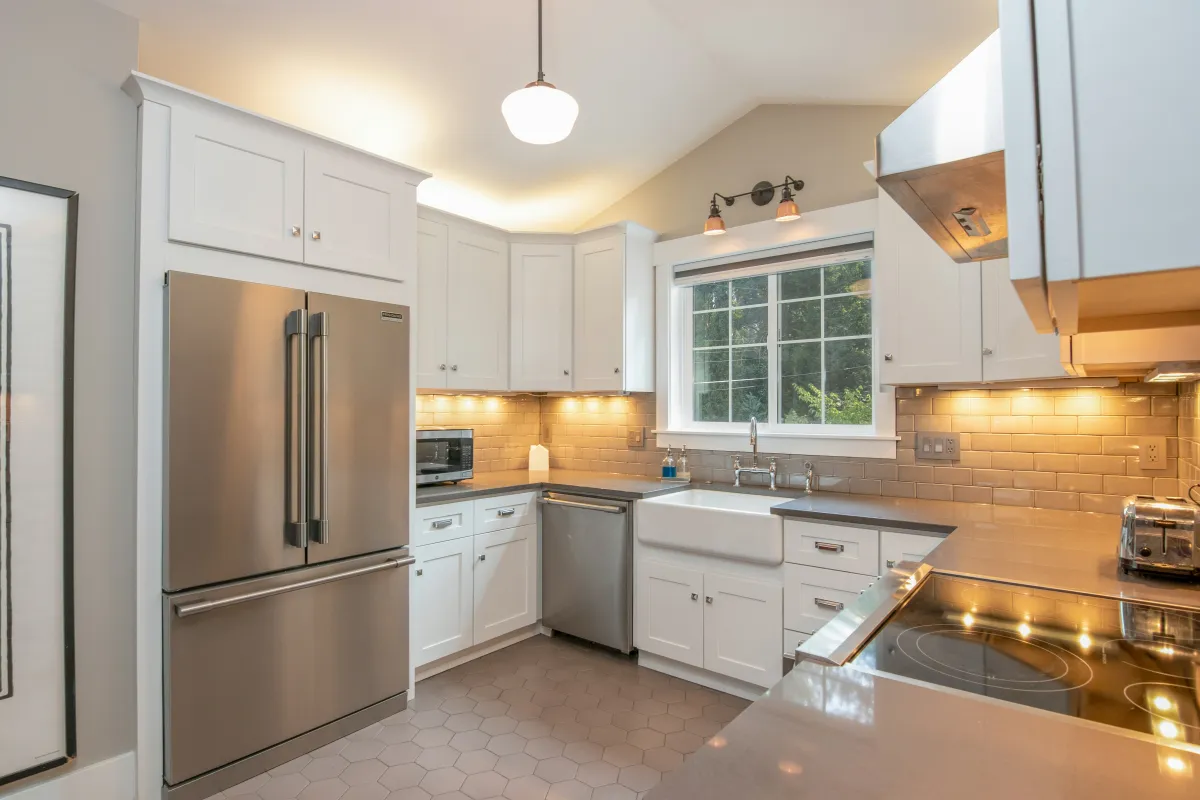
USA, Canada, Mexico (127V in many areas), Japan (100V), Taiwan (110V), and parts of Brazil (127V) run on the lower voltage. Appliances from these markets need a step-down transformer when used in 220V countries.
220V / 230V / 240V countries
Most of Europe runs 230V, the UK 230V, China 220V, India 230V, and the Middle East and Southeast Asia mostly 220-240V. Appliances from these markets are at home on the higher voltage but need a step-up transformer when used in 110V countries.
| Region | Voltage | Frequency |
|---|---|---|
| USA / Canada | 120V | 60Hz |
| Japan | 100V | 50/60Hz |
| Taiwan | 110V | 60Hz |
| China | 220V | 50Hz |
| UK / Europe | 230V | 50Hz |
| Saudi Arabia | 220V | 60Hz |
| UAE / Qatar / Kuwait | 220-240V | 50Hz |
| Nigeria / Kenya / Ghana | 220-240V | 50Hz |
| Philippines | 220-230V | 60Hz |
| Indonesia / Vietnam / Thailand | 220V | 50Hz |
| Brazil | 127V / 220V | 60Hz |
Which transformer do you need
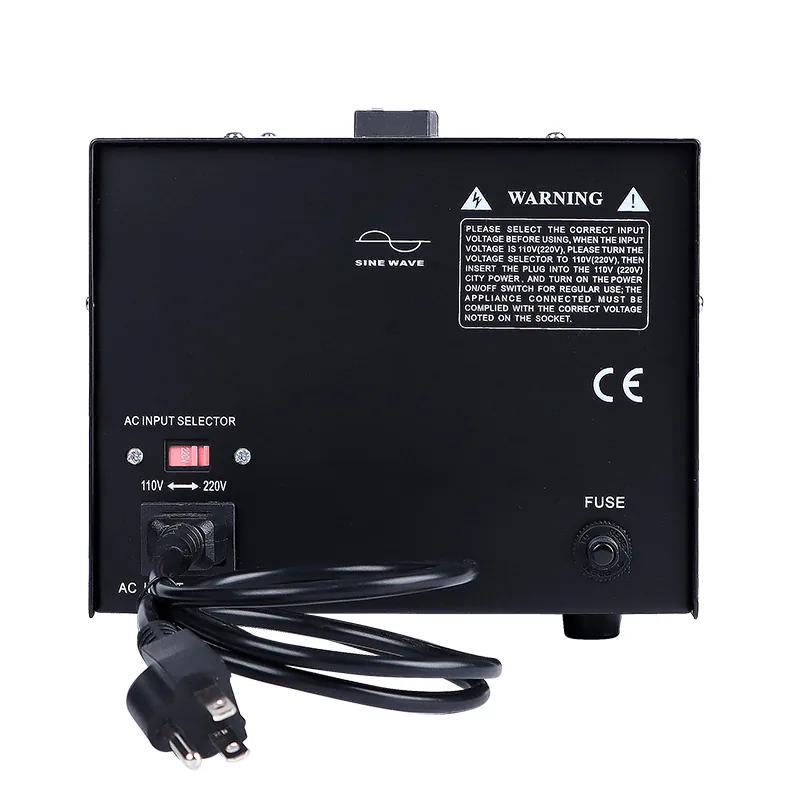
- 220V to 110V step-down — US / Japanese appliance in a 220V country.
- 110V to 220V step-up — 220V appliance in the US or Japan.
- Step up / down two-way — travellers or households with equipment from both worlds.
- Check the nameplate first — dual-voltage appliances (110-240V) need no transformer.
Frequency: the second number on the label
Voltage is only half the story. Frequency matters for motor-driven appliances: a 60Hz appliance run on 50Hz runs about 17% slower, and a 50Hz appliance run on 60Hz runs about 20% faster. Transformers do not change frequency. Most household devices tolerate the difference; timing-critical or motor-critical equipment may not.
The practical rule for buyers: resistive loads (heaters, irons, lamps) are frequency-independent. Electronics with universal power supplies handle both. Motor-driven appliances — refrigerators, pumps, fans, washing machines — are where frequency matters most, but in most cases the speed difference is acceptable in everyday use.
Mixed-voltage countries
A few countries run both standards. Brazil uses 127V in most states and 220V in others; the Philippines mixes 220V mains with 110V appliance circuits in many homes; Saudi Arabia is 220V but with a large installed base of 110V US equipment. In these markets, a step-up / step-down two-way transformer is often the most flexible stock item.
Transformer types for each conversion
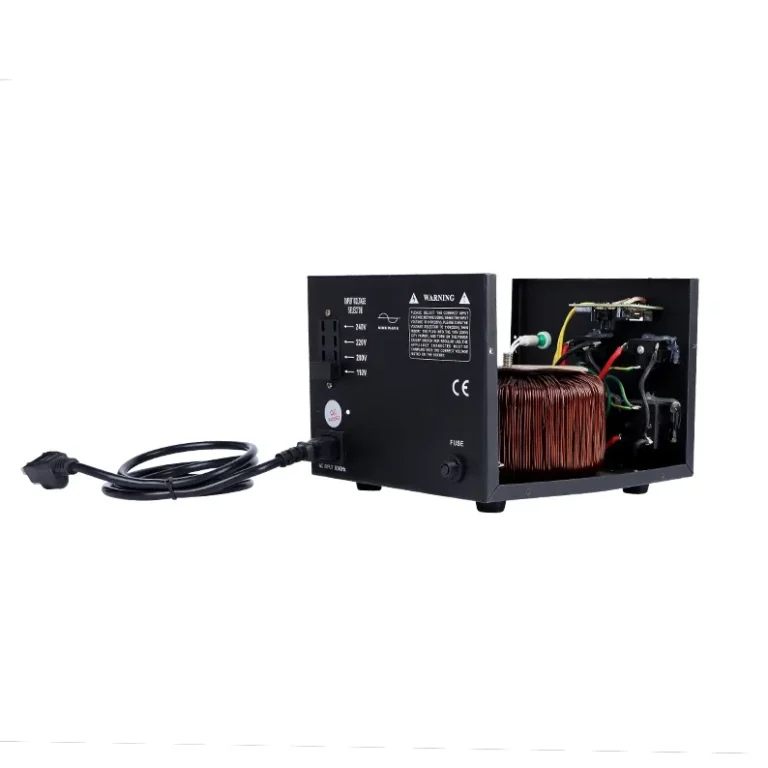
For a 220V country with US appliances, stock 220V to 110V step-down transformers in 1000VA and 2000VA sizes. For a 110V country with 220V equipment, stock 110V to 220V step-up units. For households with equipment from both worlds, the two-way STU series covers both directions in one unit. Control transformers and variacs fill the industrial and laboratory niches.
If you import for resale, carrying both step-down and step-up in the common sizes means you can answer almost any customer question from stock. The two-way unit reduces your SKU count while covering the same demand.
How to read a voltage table
Three numbers matter on any appliance: input voltage, frequency, and wattage. The country’s mains voltage tells you whether a transformer is needed; the frequency tells you whether motors will run correctly; the wattage tells you the transformer size. Whenever you see a range like 110-240V on the label, the appliance is dual-voltage and needs no transformer.
When a country lists two voltages, check the region — Brazil, Mexico and the Philippines are the common mixed examples. The correct voltage is usually printed on the socket or the breaker panel.
Voltage conversion for the travel and import market
The same rules apply whether you are packing a suitcase or a container. A tourist from the US visiting Asia needs a small 500-1000VA step-down for a hair dryer or charger; an importer needs the same conversion at container scale with branded units. Wilmall serves both ends, from single units to 5000VA-plus commercial sizes, with the same tested quality and documentation.
For importers, the additional questions are about documentation and lead time rather than the conversion itself. CE / RoHS certificates, batch test reports, a 15-25 day production window and FOB Ningbo or Shanghai shipping answer the supply chain side of the question completely.
Whichever market you serve, the core products are the same: step-down transformers for 110V appliances in 220V countries, step-up units for the reverse direction, and two-way models for mixed households. Stocking these three categories in the common sizes covers the overwhelming majority of voltage conversion demand anywhere in the world.
When you are ready to order, include the country’s voltage, the appliance wattage and the frequency on the nameplate in your message. That is everything we need to confirm the correct transformer model, and it is also exactly what the FAQ below answers for the common cases.
Frequently asked questions
How to Look Up Your Country’s Voltage Before You Buy
Before you buy any transformer or converter, confirm your country’s mains voltage and frequency from a reliable source. The world divides into three main groups: the 110-120V countries led by the United States, Canada, and Japan; the 220-240V countries covering most of Europe, Asia, Africa, and the Middle East; and a few mixed markets like Brazil and Mexico where the voltage varies by region. The frequency is 60Hz in the Americas and parts of Asia, and 50Hz almost everywhere else. These two numbers, voltage and frequency, settle every transformer decision. If your appliance comes from a different group than your wall socket, you need a step up or step down transformer, and if the frequency differs, you need a unit rated for both, which ours are. When in doubt, check the appliance label and the wall socket before ordering, and send us your country if you want confirmation.
The Frequency Question: 50Hz vs 60Hz in Practice
Voltage gets most of the attention, but frequency matters for certain appliances. A transformer converts voltage, but it does not change the frequency, so a US appliance designed for 60Hz that relies on the frequency for motor speed, such as a turntable, a clock, or some fans, will run slower or differently on a 50Hz supply even with the correct voltage. Most modern electronics with switched-mode power supplies accept both frequencies without issue. For motor-driven appliances, check the label for 50/60Hz compatibility before using it through a transformer. All our transformers are rated for both 50Hz and 60Hz, so the voltage conversion is always correct, and the appliance’s own frequency sensitivity is the only remaining consideration. If you are importing appliances for resale, this is worth knowing, because it affects which models sell without complaints.
Mixed-Voltage Countries: Brazil, Mexico, and Beyond
A handful of countries have mixed or region-dependent voltages, and that changes the buying decision. Brazil uses 127V in many states and 220V in others, sometimes both in the same building. Mexico is mostly 127V residential but 220V in commercial and industrial premises. Japan uses 100V, but at 50Hz in the east and 60Hz in the west. In these markets, the first step is to check the actual voltage at the socket you plan to use, not the nominal voltage for the country. Then choose the transformer for that specific voltage. A 110V US appliance can run directly on a 127V Brazilian or Mexican outlet within tolerance, but it needs a step-down from a 220V outlet. If you live in a mixed-voltage country, the practical rule is to confirm the socket voltage before buying anything, and our engineers can confirm the right model for your situation.
A Quick Reference: Voltage and Frequency by Region
Here is a quick reference you can keep. North America: 120V, 60Hz, with 240V for large appliances. Most of South America: 110-127V in places like Colombia and Peru, 220V in Argentina and Chile, 60Hz in most countries. Europe and the UK: 220-240V, 50Hz. Middle East and most of Africa: 220-240V, 50Hz. Asia is the mixed bag: Japan 100V 50/60Hz, China and India 220V 50Hz, the Philippines 220V 60Hz, and Vietnam, Thailand, and Malaysia 220-240V 50Hz. This list is a starting point, not a substitute for checking the actual socket, because some countries have regional variations. When you need a transformer, the two numbers that decide everything are your wall voltage and your appliance voltage. If you tell us both, and the country you are in, we will confirm the exact unit you need.
The Plug and Socket Reality When You Travel
Voltage is only half the travel problem, the other half is the plug shape. Even when the voltage matches, a US plug will not fit a European socket without an adapter, and vice versa. A transformer with the right input voltage still needs the right input plug, or an adapter, to connect to the wall. Our step-down transformers are available with the input plug matched to your country, and we can fit the output socket to your appliance plugs. For travelers and expats moving between countries, the STU auto-selecting series with interchangeable input leads covers the most situations. The practical rule: check both the voltage and the plug standard before you buy, and if you travel often, choose a unit with replaceable input leads. We supply the correct plug configuration with every order, so you are not left hunting for adapters at the destination.
Which countries use 110V?
The USA, Canada, Japan, Taiwan and parts of Mexico and Brazil use 110-127V. Appliances from these markets need step-down transformers in 220V countries.
Which countries use 220V?
China, most of Europe, the UK, India, the Middle East and Southeast Asia use 220-240V. Appliances from these markets need step-up transformers in 110V countries.
Do I need a transformer for a dual-voltage appliance?
No. An appliance marked 110-240V works on any voltage in that range without a transformer. Check the nameplate before buying one.
Does the frequency matter when using a transformer?
Yes, for motor-driven appliances. A transformer changes voltage only; the frequency stays the same as the local grid.
What transformer do I need for US appliances in a 220V country?
You need a 220V to 110V step-down transformer sized to the appliance load with margin for start-up surge.
Which countries have mixed voltages?
Brazil (127V and 220V by state), Mexico (127V), the Philippines (220V mains with 110V circuits) and Japan (100V) are the common mixed examples.
Related reading
Get a factory-direct quote
Tell us your country, appliance voltage and wattage. Email sales@wilmall.com or WhatsApp +86 197 3022 6757 for the right transformer and price.