Voltage Converter for Kazakhstan: 220V to 110V Guide
Kazakhstan is one of the growing Central Asian markets for voltage conversion, and it is a market we have been shipping to more and more. The country runs 220V at 50Hz with Type C and Type F outlets, and buyers in Almaty and Astana import 110V US appliances for homes, small businesses, and winter heating. Here is what you need to know.
Kazakhstan voltage, frequency and plugs
Kazakhstan runs 220V at 50Hz with Type C (two round pins) and Type F (Schuko) outlets, the same standard as Russia and most of Central Asia. The grid in Almaty and Astana is reasonably stable, but smaller cities and rural areas can see voltage swings, especially in winter when heating demand spikes.
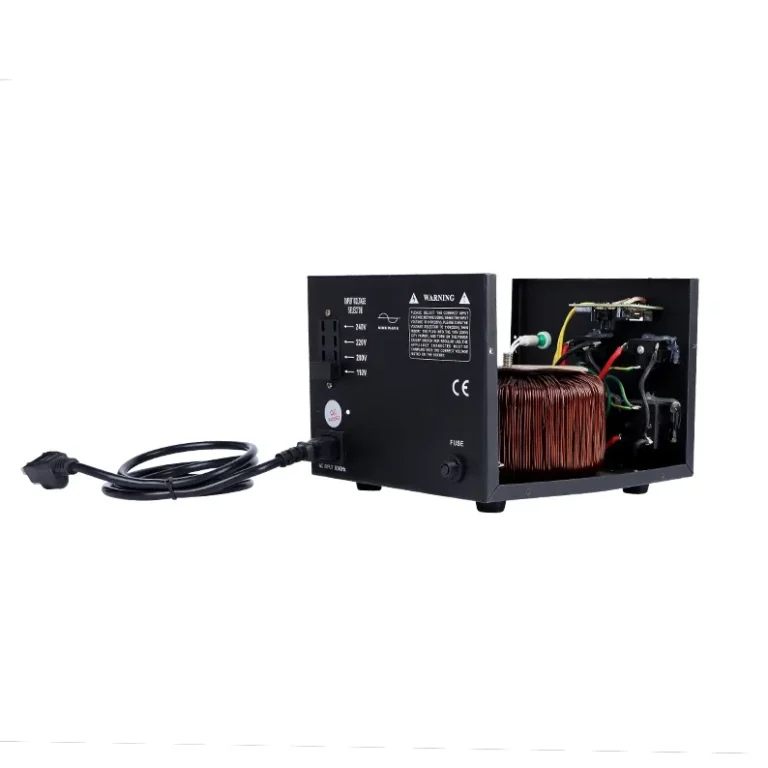
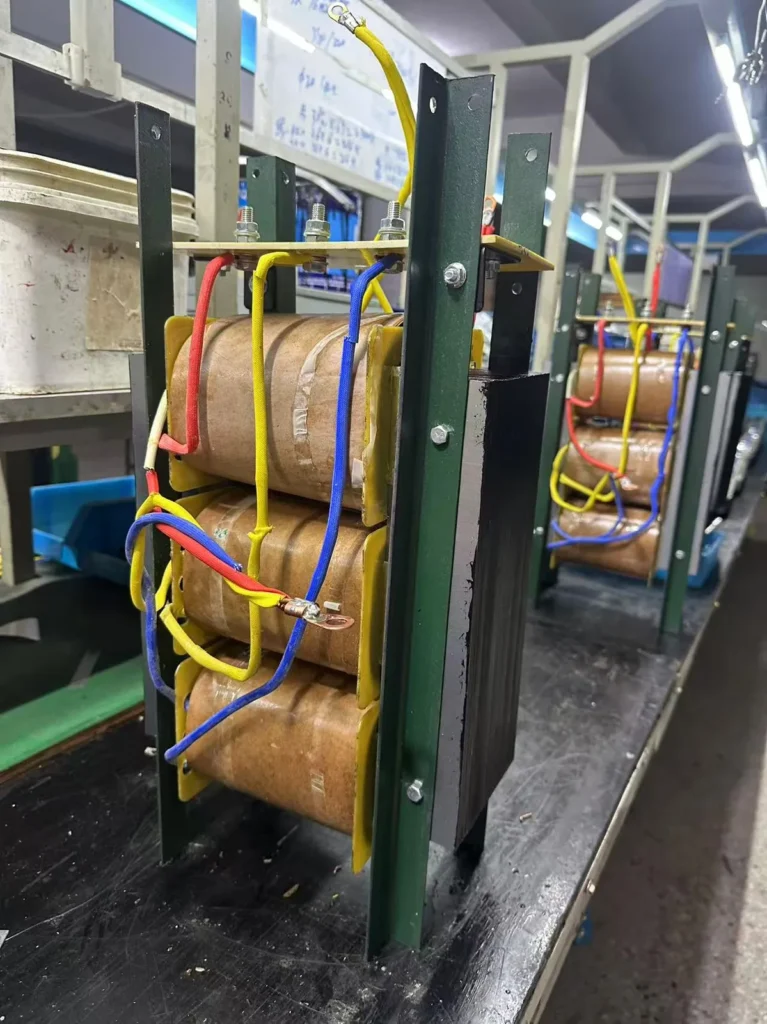
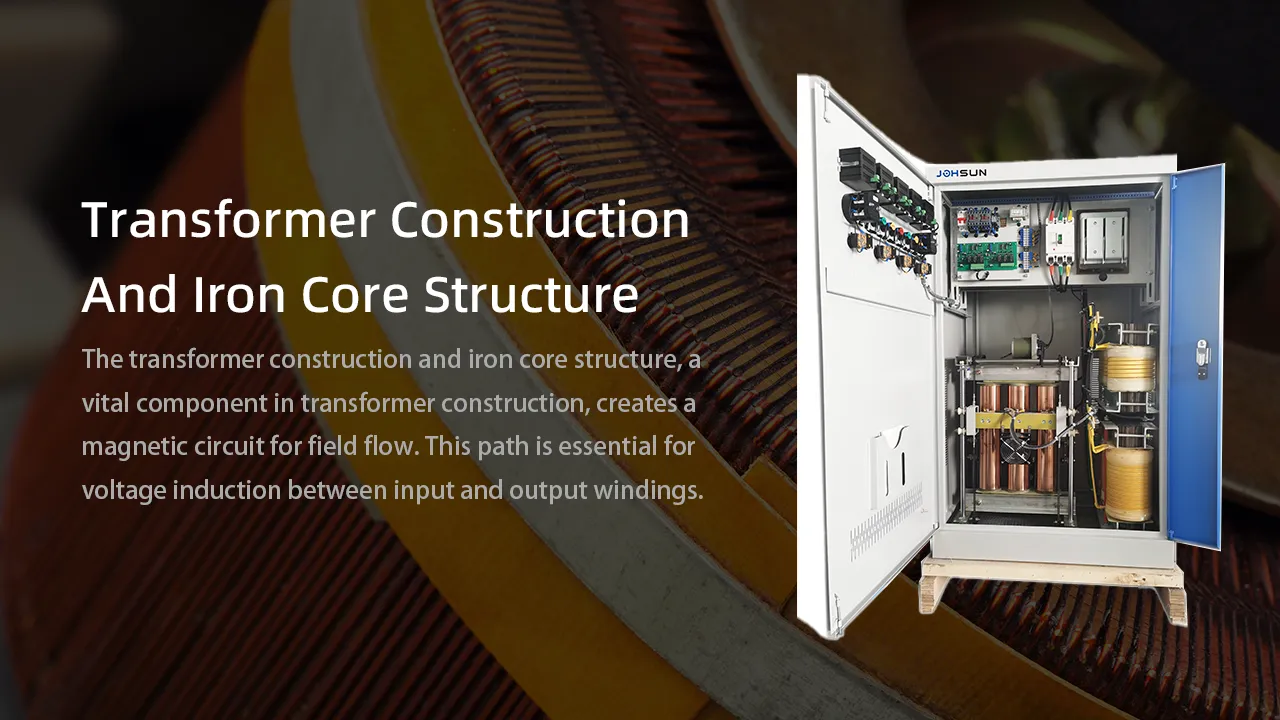
For 110V US appliances, you need a step down transformer from 220V to 110V with a Type C or F input plug. Our ST series ships with the Type C/F plug as standard for the Central Asian market.
Winter heating is the big load
Winters in Kazakhstan are brutal, and one of the most common requests we get is for 110V space heaters and electric blankets that were bought in the US or Canada. A 110V space heater draws 1000 to 1500W, which is a continuous resistive load. That needs a 2000VA transformer minimum, sized for hours of continuous duty.
Electric blankets and heated throws are lighter, 100 to 300W, and a 1000VA unit handles them easily. But do not run a heater and a blanket on the same transformer unless the combined wattage stays under 80% of the rating.
Sizing for the Kazakh market
For a household appliance under 700W, the ST-1000 (1000VA). For kitchen equipment, a microwave or an espresso machine, the ST-2000 (2000VA) with RCD. For winter heating, a 110V space heater, the ST-2000 is the minimum and the ST-3000 is safer if you run two heaters or a heater plus other appliances.
For small businesses, hotels and workshops running several 110V units, the ST-3000 and ST-5000 STU series cover the combined load in one unit.
Do you need a stabilizer?
If your appliances are heating elements, a stabilizer is not required. If you are powering sensitive 110V electronics, gaming consoles or audio gear, and your area has known voltage swings, add a stabilizer ahead of the step down. It is cheap insurance for electronics.
Shipping to Kazakhstan
We ship FOB Ningbo or Shanghai to Almaty by rail or truck through Xinjiang in about 25 to 35 days for a container. Samples go by air in 7 to 10 days. Standard lead time after deposit is 15 to 25 days, and we ship from 10 pcs.
For other Central Asian and nearby 220V markets, see our Pakistan guide and the South Korea guide.
Winter power quality in Kazakhstan
Kazakhstan’s winter load brings its own power quality issues. When temperatures drop to minus 30, electric heating demand spikes, and some districts see brownouts and voltage dips in the evening peak. For transformers feeding space heaters, the input voltage dipping below 200V is not a problem for the transformer itself, it just means the output drops proportionally. But for sensitive electronics, a stabilizer ahead of the step down smooths the dips.
If you are importing for resale in Almaty or Astana, the transformer sizes you stock should match the winter reality: the 2000VA sells well for heaters, and the 1000VA for household electronics. We also recommend the 3000VA for customers running two heaters or a heater plus a fridge in winter, which is the most common combination we hear about.
E-commerce sellers and dropshipping
A growing share of the Kazakhstan market buys through e-commerce, and sellers list transformers directly to consumers. The winning product pages pair the transformer with the specific appliance, such as “for 110V US space heaters,” and show the wattage table. The two questions that convert buyers are the input plug type, confirm it is Type C/F for Kazakhstan, and the output socket, confirm it is US Type A/B.
For dropshippers, the ST-1000 and ST-2000 ship in compact cartons that fit courier networks, and samples go by air in 7 to 10 days. We can supply with your logo on the case and carton from a 100 pcs order, and we keep the popular sizes in stock to hold the 15 to 25 day lead time. If you are listing on Kaspi or similar marketplaces, send us your target SKUs and we will match the sizes and packaging to the listings.
Sizing for common Kazakh households
A typical household in Almaty runs a fridge, a washing machine, a TV and a few small appliances. If all of those are 110V US-spec, the practical setup is one 2000VA unit for the kitchen appliances and one 1000VA for the living room electronics, keeping the 110V cable runs short. For the winter, add a dedicated 2000VA unit for the space heater rather than loading it onto the kitchen transformer.
This per-zone layout is what most of our Kazakh distributor customers sell, and it keeps the order sizes predictable: 2000VA is the core SKU, 1000VA is the second, and 3000VA covers shops and offices.
Importer’s first container
For a first container to Kazakhstan, the mistake to avoid is ordering one size only. The market demand is spread across 1000VA, 2000VA and 3000VA, and a one-size container leaves you with dead stock in the wrong size and empty shelves in the right one. We recommend a first order split roughly 30% 1000VA, 50% 2000VA, and 20% 3000VA, which matches how Kazakh households and shops actually buy.
The second mistake is ordering without samples. A mixed sample order across the sizes, shipped by air in 7 to 10 days, lets you photograph the units, test the market, and validate the sizing before you commit a container. We split the sample cost against your first bulk order.
Customs and EAC certification
Kazakhstan is part of the Eurasian Economic Union, which means electrical products need EAC certification for the Russian and Kazakh market. A transformer without EAC marks can be held at customs or rejected at the point of sale in the formal retail channel.
We supply the EAC certification documents for the ST series as part of the order, and the CE certificate for the EU-style documentation your forwarder needs. If you are selling through formal retail, ask for the EAC paperwork at the quotation stage, not after shipment, because the certification lead time affects your launch date.
Winter storage and handling
Transformers shipped to Kazakhstan cross Central Asia in winter, and the temperature swing during transit and storage is severe. The units handle cold fine, the risk is condensation when a cold transformer meets warm humid air. Open the cartons on arrival and let the units reach room temperature before any electrical test.
If a unit sits in a cold warehouse for months, store it off the concrete floor and check the case for condensation before sale. A transformer that has absorbed moisture can trip its insulation test until it dries out, which our distributors in Almaty know to expect in the first weeks of spring.
Online marketplaces in Kazakhstan
Kazakh shoppers buy electrical goods through local marketplaces that work like the big global platforms. The winning transformer listing on these channels shows the wattage table, the input plug, and the output socket in the first image, because those three facts answer 90% of the customer questions. The 1000VA and 2000VA are the volume SKUs, and the 3000VA sells to shops and workshops.
If you are listing on these marketplaces, the reviews matter more than the price. A transformer with a 12-month warranty and a supplier that answers sizing questions earns the reviews that move the ranking. We can supply the product photos, the spec table, and the warranty text for your listings from the sample order.
Payment and logistics for importers
The practical side of importing to Kazakhstan is the payment chain and the logistics. Chinese suppliers quote in USD, the payment goes through a bank transfer or a letter of credit for container orders, and the freight runs by rail through Xinjiang or by air for samples. The total transit is 25 to 35 days for a container and 7 to 10 days for air.
For the first order, use the sample-by-air route to validate the market, then move to the container with a 30% deposit and 70% against the Bill of Lading. This sequence keeps your capital risk low while the market data builds.
Kazakh buyers importing transformers should also plan for the currency and documentation side early. The quotation, the proforma invoice, and the EAC certificate all need to be in order before the container ships, because the EAC paperwork cannot be issued retroactively for a shipment already in transit. We prepare the full document set at the order stage, so the container is clearance-ready when it reaches the Kazakh border, which is the difference between a 3-day clearance and a 3-week one.
Whatever size you choose, keep the sample-to-bulk sequence in mind: samples by air validate the market, the bulk order locks the freight rate, and the EAC documents keep the border crossing smooth. That is the whole import playbook for the Kazakh market in one paragraph.
What voltage does Kazakhstan use?
Kazakhstan runs 220V at 50Hz with Type C and Type F (Schuko) outlets, the same as Russia and most of Central Asia. For 110V US appliances, you need a step down transformer from 220V to 110V. Our ST series ships with a Type C/F plug for the Central Asian market.
What size converter do most buyers in Kazakhstan order?
For households, the 1000VA and 2000VA sizes are the most popular. For small businesses running multiple 110V appliances, the 3000VA STU is common. Winters are cold, so space heaters on 110V are a frequent request, and those need 2000VA minimum.
Do I need a voltage stabilizer in Kazakhstan?
Mains quality in Almaty and Astana is decent, but rural areas can have voltage swings. If you are running sensitive 110V electronics, a stabilizer ahead of the step down is cheap insurance. For heating appliances, the step down alone is enough.
How long does shipping to Kazakhstan take?
From our factory in Yueqing, we ship FOB Ningbo or Shanghai to Almaty by rail or truck through Xinjiang in about 25 to 35 days for a container. Samples go by air in 7 to 10 days. Standard lead time after deposit is 15 to 25 days.