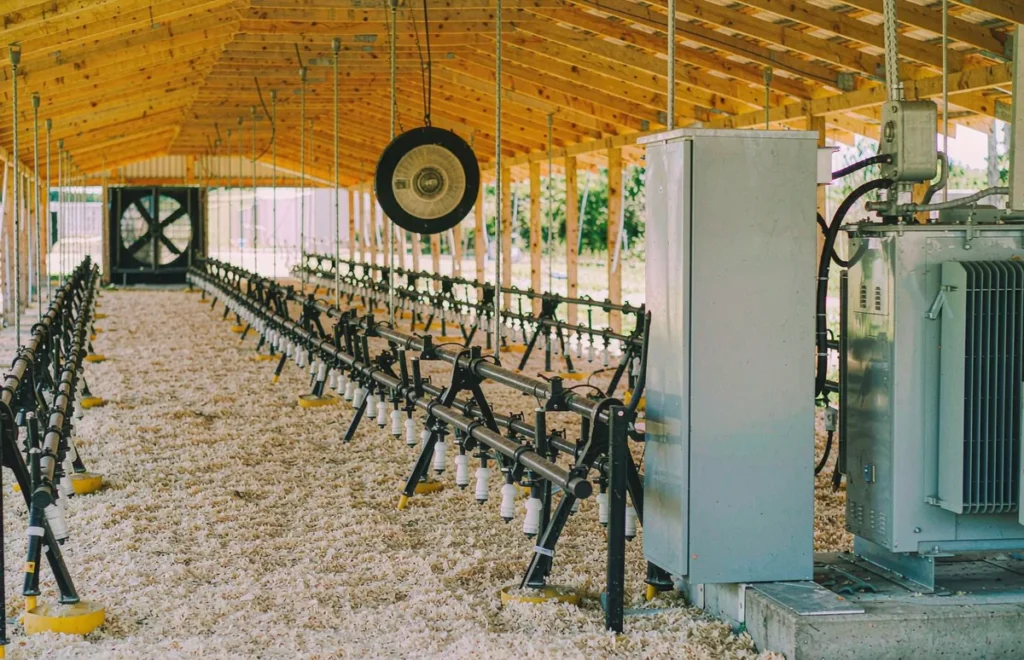
Step Down Transformer for Poultry Farms: 220V to 110V
If a chicken house loses power for an hour in the middle of a brooding cycle, you do not lose an appliance. You lose the flock. That is the fact behind every power decision on a poultry farm, and it is why the little step down transformer feeding the 110V equipment deserves more thought than the price tag suggests.
I get asked about a step down transformer for a poultry farm by integrators, farm owners and equipment dealers, most of them working with American or Japanese machinery that arrived rated at 110V while the site supplies 220V or 230V. Incubators, brooders, fans, feed lines and controllers all come in on that voltage, and then somebody has to make them work on the local supply. The questions that follow are usually about size first and safety second, so let me answer both in the order they matter on a real farm.
A word before the numbers, because it comes up in almost every call. A transformer shifts voltage and does nothing else. It will not keep a shed alive when the grid goes down, and it will not turn 50Hz into 60Hz. On a poultry farm those two limits matter enormously, and we will come back to how the transformer sits alongside a generator or an inverter so the flock stays warm.
Why a Poultry House Is a Non-Stop Load
Most buildings have quiet hours. A poultry house does not. From the moment chicks go in, the brooder heaters run to hold the floor temperature steady, the ventilation fans cycle to keep air moving, and the feed and water lines index on a timer day and night. Add the incubator room on a hatchery site and you have equipment that genuinely cannot be switched off, because a cold snap or a stalled fan means dead birds within hours.
That changes how you think about a transformer. In an office you might accept a unit that runs warm because it is only busy during the day. In a shed you are asking the box to work through the hottest week of the year with no rest, and heat is the enemy of any transformer. So the sizing conversation starts higher than people expect, and it does not stop at the number on the nameplate.
There is another rhythm to respect. A broiler house runs in cycles, with the heaviest electrical demand in the first two weeks when every brooder is on and the fans are still gentle, then a swing toward ventilation load as the birds grow and the heat climbs. Laying and breeder houses carry a flatter load but run far longer. Knowing which cycle you are in tells you which part of the plant sets the size.
Which Equipment in the Shed Runs on 110V
Send me your equipment list and I will mark each line that needs a transformer. This is what normally needs one on the farms I quote.
- Incubators and hatchers — setter and hatcher cabinets with 110V heaters, fans and turning motors, often 300W to 1200W each and running continuously through the cycle.
- Brooder heaters — 110V hover or pancake brooders, commonly 500W to 2000W each, and every one of them is on during the brooding phase.
- Tunnel and side-wall ventilation fans — 110V fan motors, 370W to 1500W each, and on a hot day a whole bank of them runs at full load for hours.
- Automatic feed and drinking lines — drive motors at 110V, usually 200W to 750W per line, indexing several times an hour.
- Egg collectors and belt conveyors — 110V gearmotors, 250W to 900W, running at collection times.
- Climate and environment controllers — small 110V control boxes, 30W to 150W, but they are the brain of the shed and cannot be allowed to drop out.
- Feed grinders and mixers — 110V motors, 750W to 3000W, with a hard start every time they fire up.
- Lighting controllers and dimmers on 110V systems — low watts, but they keep the birds on their lighting program.
Not everything needs a transformer, and saying so saves money. Some newer controllers, LED lamps and chargers carry a 100-240V rating and work on your local supply without help. Read the plate on each item before you total anything up, because a load sheet built on guesses is how a farm ends up with the wrong box.
Sizing for Brooders, Fans and Incubators
Do not simply add every nameplate on the farm. The right approach is to group equipment the way it actually runs. Incubator room, brooding area, ventilation bank and feed lines each have their own duty pattern, and the worst case is not all of them at once but each group at its own peak.
For a group, add the running watts of what can plausibly be on together, then add 25 to 30 percent. For anything with a motor, remember the start. A fan or grinder pulls several times its running current for a moment as it spins up, and if several fans start together after a power dip, that combined inrush is what decides whether the lights flicker or the transformer holds firm. Our guide on How to Size a Step Down Transformer for Motors and Compressors walks through that inrush math if you want to run it yourself.
A Worked Example: Brooders Plus Fans in One House
Picture a house with ten brooder heaters at 1500W each and four tunnel fans at 1100W each. During the brooding phase the brooders dominate. If all ten are on at once that is 15kW, add 25 percent and you are near 19kVA. In practice the controls stage them, so eight running is more realistic, around 12kW before margin.
The ventilation load behaves differently. Four fans at 1100W is 4.4kW running, but if they start together the inrush can read over 13kW for a moment. So the fan bank needs headroom for a start, not just for running. On a site where both zones share one supply, take the larger of the two demands rather than adding the peaks, because the brooders and the fans rarely peak at the same minute.
| Farm area | Typical simultaneous load | Suggested unit rating | Why this size |
|---|---|---|---|
| Incubator room, two cabinets | 0.8 – 2.4 kW | ST-1500 1500VA with RCD | Continuous steady load, no tolerance for a dip |
| Brooding area, staged brooders | 6 – 16 kW | STU-3000 or STU-5000 bidirectional | Heater load runs for weeks without rest |
| Ventilation bank, four fans | 4 – 6 kW running | STU-5000 bidirectional | Motor inrush on simultaneous start decides size |
| Feed and drink lines | 0.6 – 2 kW | ST-2000 2000VA with RCD | Intermittent indexing, small motors with hard starts |
| Controller and sensors | 50 – 200 W | DT-1000VA bidirectional | Tiny load, needs a stable and clean output |
| Feed grinder on site | 1 – 3 kW | ST-2000 or STU-3000 | Single large motor, inrush is the whole story |
Heat and Humidity: Why Summer Derates Everything
Here is a point that catches out buyers in West Africa, the Middle East and South Asia every year. A transformer is rated at its nameplate capacity under a stated ambient temperature, usually around 40 degrees Celsius. Put the same unit in a shed where the air sits at 45 degrees and the sun has been on the roof all afternoon, and it cannot shed heat as well, so the safe load drops. That is derating, and it is real.
The practical response is not complicated. Size up when the site is hot, mount the unit where air can move around it rather than in a closed tin box under a roof, and prefer copper windings, because a copper coil runs cooler than an aluminium one carrying the same current. On a fan-heavy site you also have humidity to think about, since warm moist air finds its way into any enclosure that is not properly sealed.
If your farm sits somewhere the summer routinely tops 45 degrees, tell us when you ask for a quote. We will build in the margin from the start rather than having you discover it on the hottest day of the year, when the fans are running flat out and the last thing you want is a hot box that steps out.
Ammonia, Dust and the IP Question
A poultry shed is an aggressive environment for electrical gear. Ammonia from the litter attacks metal, dust and feather fragments clog cooling paths, and wash-down water goes wherever you point a hose. A transformer with an open frame and a bare vent will not survive many seasons in that air, so the enclosure is as important as the winding.
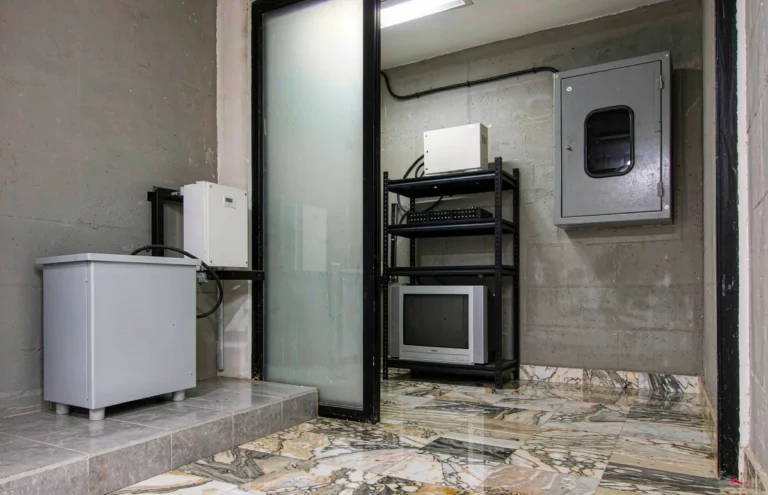
What we do for sheds is seal the unit into an enclosure with a proper ingress protection rating, keep the terminations covered, and route the cable entries so water cannot run down into the case. We can build a higher IP rating where a site is washed down hard, and we can add a corrosion-resistant finish where ammonia levels run high. And the unit should not be sitting on the floor in the corner where nobody looks. Mount it on a bracket or a stand, off the ground, above the splash line and away from where the drinker lines leak.
One more habit worth building. Wipe and check the vents on the same schedule you service the fans. When a cooling path clogs, the transformer runs hot, and a hot transformer is a transformer that fails early. It takes a minute and it buys years.
When the Grid Drops: Transformer, Generator and Inverter
On a poultry farm the transformer is only part of the picture, and I want to be blunt about it. The transformer changes 220V or 230V into 110V while the mains is present. When the mains fails, the transformer fails with it, because it has no battery and no engine behind it. So the plan for a shed is a chain, not a single box.
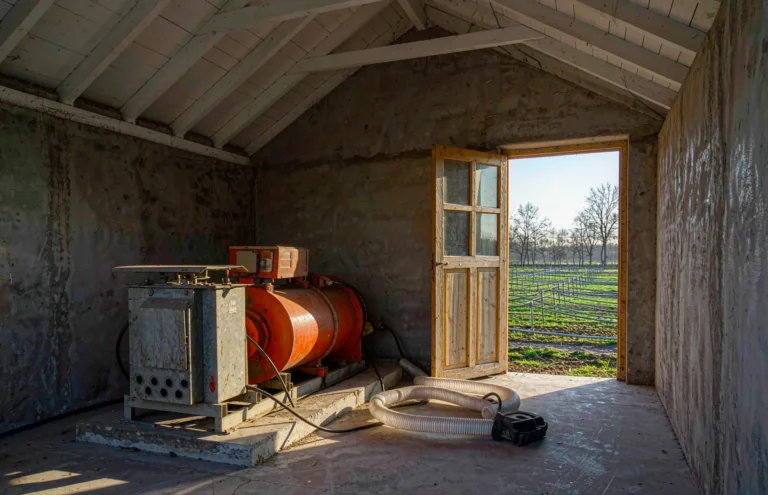
The normal layout is a generator or an inverter providing the building supply, with the step down transformer taking the 220V output of that source and feeding the 110V equipment downstream. The source carries the outage, the transformer matches the voltage, and the equipment never knows anything changed. Where the site has a small inverter as backup, the same rule applies: the inverter feeds the transformer, not the other way round.
Size the backup source for the critical load first. That means the brooders in the brooding phase, the fans on a hot day, and the incubator room always. Feed lines and lights can wait a few minutes, but a stalled tunnel fan in July, or a hatcher that cools, does not. Get that order right and an hour of outage becomes an inconvenience instead of a loss.
The Range We Build for Farm Work
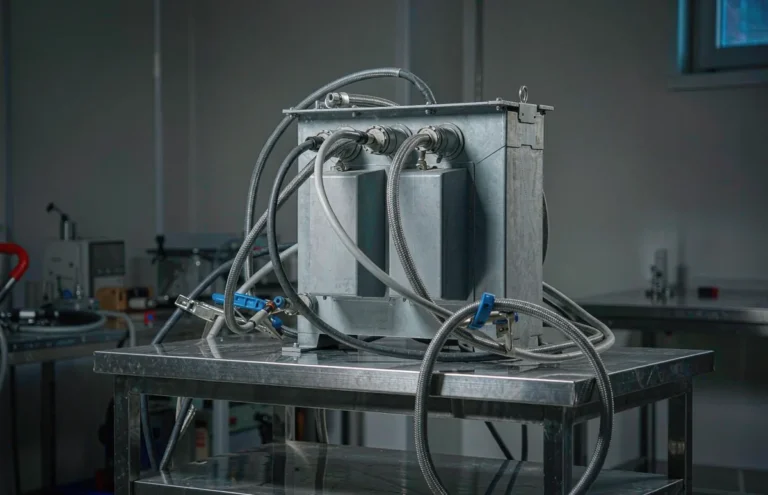
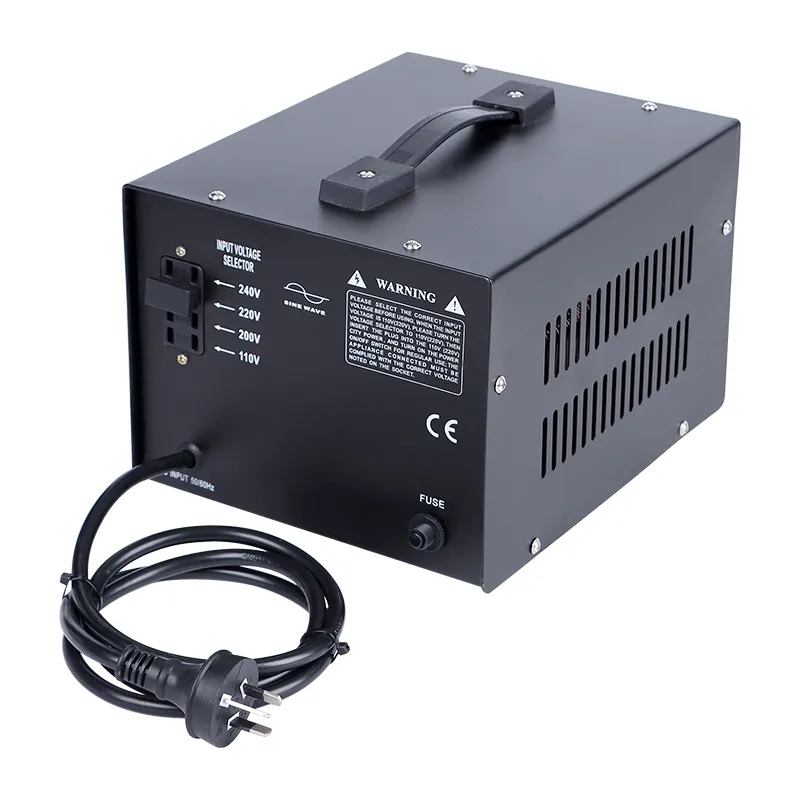
Everything we sell comes off our own line in Yueqing, wound and tested before it is packed, so I can tell you honestly which box suits which job. The ST-2000 is the 2000VA workhorse, 220V in and 110V out, with the RCD mounted inside the case. For an incubator room or a feed line group, that is the unit I put on the quote first. The ST-1500 steps down to cover lighter controller and cabinet loads at 1500VA.
Where the load is a bank of fans or a set of brooders, the two-way units take the strain. The STU-3000 and STU-5000 run in both directions and handle the bigger farm duty, which helps when a shed owns a mix of 110V and 220V gear and may change over later. The DT-1000VA is the automatic bidirectional unit, and it suits the small steady loads, like a controller or a sensor feed, that need to keep working without anyone watching them.
We also keep the Variac range on the shelf, at 500VA, 1KVA, 2KVA and 3KVA, and anyone commissioning an imported farm machine will appreciate a dial that lets you watch the voltage settle. A hatchery technician setting up a new setter cabinet tends to want one to hand. If you are still weighing up a one-way box against something that works both ways, our hub page on step up & down transformers lays out the difference in plain terms.
Minimum Order, Shipping Window and Batch Records
The commercial points come up on every farm quote, so here they are. Our minimum order is 10 pieces, which suits a multi-house site or a dealer stocking for several farms. Lead time is 15 to 25 days, depending on the quantity and on custom work such as labelling or a specific socket. Every unit ships with a 12-month warranty, and goods go FOB Ningbo or Shanghai.
With every consignment you get the test record for the batch, showing input voltage, loaded output and no-load current. That record matters on a farm, where a dealer is often fitting units at several sheds and wants paperwork for each one. We build with copper windings, not aluminium, because a copper coil runs cooler under the continuous duty a shed demands, and cooler means longer life.
If the farm needs a particular socket or an output set to a voltage the equipment plates specify, we do that at the factory. Tell us the layout of the site and we can pack units per house so the installer is not sorting boxes on the first day.
What a Shed Enquiry Should Include
You can start the conversation with whatever you have. A photo of a nameplate is fine if typing it out is a chore. The useful details are the equipment list with watts, how many houses or sheds you are powering, the mains voltage and frequency at the site, and whether you are on a generator or inverter for backup. Add the socket type in use and your target date, and I can move straight to a recommendation.
It also helps to say which phase of production the farm is in, because a brooding house and a laying house pull very different loads. And if the site is hot, tell us. Those two answers often shift the rating by a whole step, and getting them up front is the difference between one order and two.
There is a wider set of more application guides on the site if you want to compare how we size other 110V equipment. The logic travels well between sectors. What changes is the duty cycle, and on a poultry farm the duty cycle never really stops.
If the numbers on your list are unclear, send them across with a photo of the controller nameplate. We size step down transformers for poultry farm equipment most weeks, and one short exchange up front is far better than standing in a shed in August with a fan bank that will not start.
Poultry Farm Power Questions Farm Owners Send Me
These come in from farm managers and integrators again and again, so here they are answered straight, the way I would reply to a message at the yard.
How big a transformer do I need for brooders and fans?
Group the load by area, add the watts that run together, then add 25 to 30 percent. Ten brooders at 1500W land near 19kVA after margin, while a four-fan bank needs headroom for the start. Send us the numbers and we will size the step down transformer for poultry farm use.
Can one transformer run all the fans in a poultry house?
It can, and the deciding factor is the start, not the run. Four fans at 1100W pull about 4.4kW running, but if they start together the inrush reads far higher. A STU-5000 bidirectional unit gives the margin a fan bank needs, especially on a hot day when everything fires at once.
Why do I need to derate a transformer in summer?
Because heat is what ages a transformer. A unit rated at its nameplate assumes an ambient around 40 degrees Celsius, and on a farm where the air reaches 45 the safe load drops. Sizing up when the site is hot keeps the unit cool and keeps your equipment fed.
What enclosure rating suits a poultry shed?
Ammonia, dust and wash-down water all attack electrical gear, so a sealed enclosure with a proper ingress protection rating is worth the small extra cost. Mount the unit off the floor and above the splash line, and clean the vents on the same schedule as your fans.
Does the transformer keep the farm running during a power cut?
No, the transformer only matches voltage. For an outage you need a generator or inverter upstream feeding the transformer, which then supplies the 110V equipment. That chain is what protects the brooders and fans when the grid goes down for an hour.
Send us the shed layout and we will work out the rating with you. Tell us how many houses you are feeding, which machines run on 110V, the watts on each nameplate, and whether the site is on a generator or inverter. We will come back with a unit and a quantity, and on a hot site we will build the summer margin in from the start.
Message us any time: WhatsApp +86 197 3022 6757 · Email sales@wilmall.com
MOQ 10 pcs · Lead time 15-25 days · FOB Ningbo or Shanghai · 12-month warranty