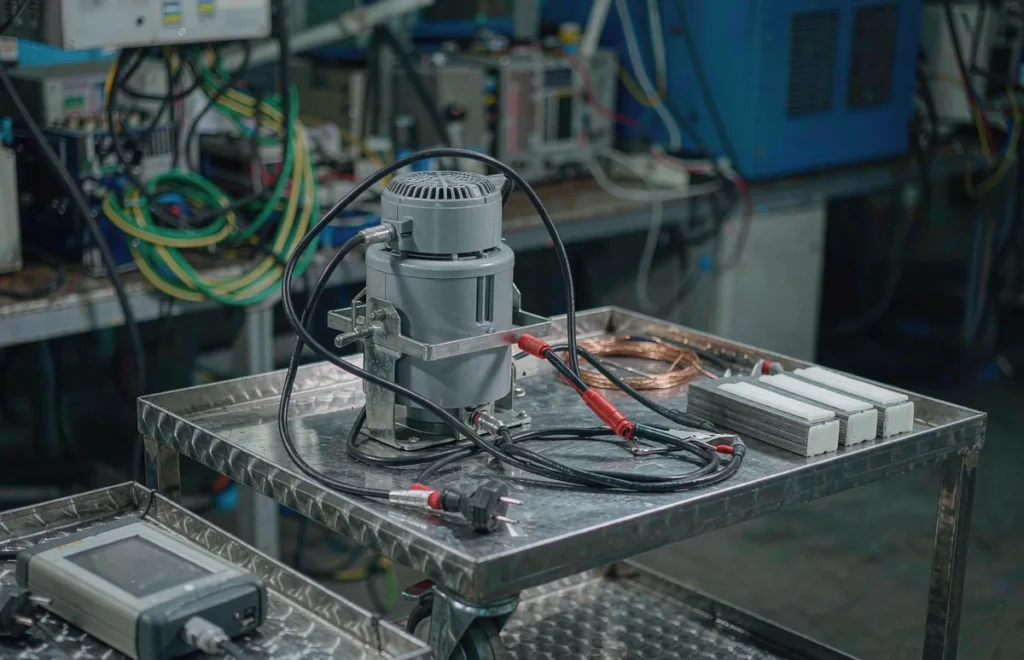
Transformer Sample Order: Test Before You Buy in Bulk
A transformer sample order is the cheapest piece of risk management in this business, and it is the step most buyers skip when they are in a hurry. I understand the temptation. The quotation looks right, the price is competitive, the supplier sounds like they know what they are doing, and a container is going to take six weeks to arrive anyway. So the order gets placed on a specification sheet alone, and the first time anyone plugs in a unit is when the goods are already sitting in a warehouse on the other side of the world.
I work at a low voltage transformer factory in Yueqing, China, and I would rather you tested us on one unit before you committed to a hundred. Here is exactly how a sample order works with us, what it costs, how long it takes, and how you make sure the units that arrive in your bulk shipment are the same as the one you approved.
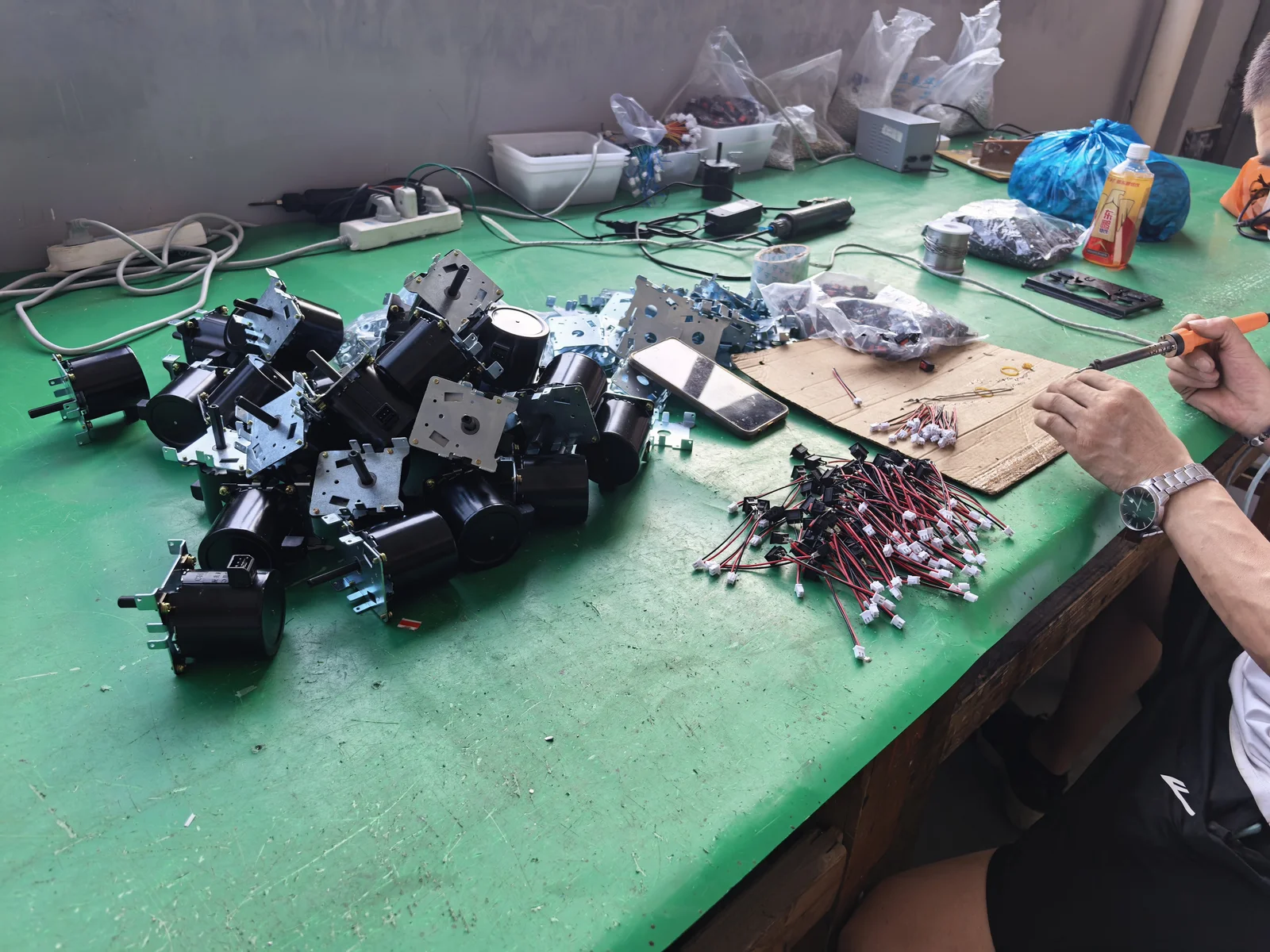
What a Transformer Sample Order Actually Gets You
A sample is not just a small box that arrives in the post. Done properly, it gives you four things you cannot get from a specification sheet and a photograph.
The first is verification. You find out whether the unit does what the datasheet says under your own load, on your own supply, with your own equipment behind it. That is worth more than any test certificate we can produce, because your supply and your load are the specific combination that matters.
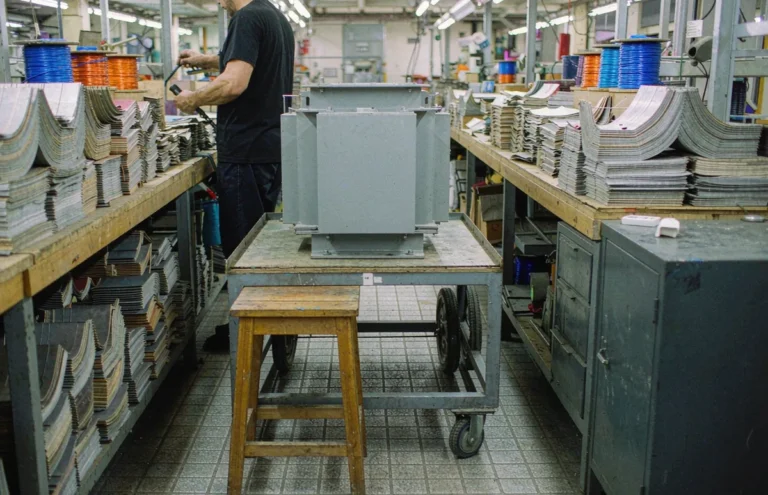
The second is build quality. Winding neatness and tightness, the thickness of the lamination stack, the quality of the terminations, the fit of the case, the finish on the faceplate. These are the things that decide how a transformer behaves in year five rather than year one, and they are visible the moment you open the box.
The third is a physical reference. Once you have approved a sample, you have a unit on your shelf that the production batch can be measured against. That is the strongest position you can be in with any supplier, and it turns a vague conversation about quality into a specific one.
The fourth is commercial information. A sample order tells you how we handle documentation, how we pack, how we communicate when something needs deciding, and how long things actually take. You are not buying a transformer at that point. You are buying evidence about whether you want to work with us for the next three years.
The Sample Process, Step by Step
Our sample process has four stages, and it is not complicated. What matters is that each stage finishes with something written down, because the whole point of a sample order is to remove assumptions.
Step One: Confirm the Specification
Everything starts with a specification we both agree on in writing. For a step down transformer that means the input voltage and frequency, the output voltage, the rated capacity in VA, the socket type on the output, whether RCD protection is required, the case type, and what goes on the label. If the unit is going to be used in a country with a weak supply, tell us the input range you expect to see, because a unit built for a stable 230V supply is not necessarily the right build for a supply that sags to 195V.
If you do not have all of that worked out, send what you do have. The appliance list with the nameplate wattages is usually enough for us to recommend a model. What I would avoid is approving a vague brief and then being surprised by what arrives. If you are not sure, send us a message and we will ask the questions that need asking before we start.
Step Two: Sampling, 7 to 10 Days
Once the specification is confirmed and the sample fee is settled, we build it. Sampling takes 7 to 10 days, which is faster than a production run because it is a single unit or a small number of units going through our own workshop rather than a scheduled batch. If the sample needs a custom faceplate or your own branding on the label, allow a few days more, because the artwork and the printing have to be approved first.
We will send you photographs during the build for anything that involves a decision, particularly the label and the outlet configuration. It is much easier to change a faceplate artwork on a screen than to change it on a finished unit.
Step Three: The Test Report
Every unit we build is tested one hundred percent in our own factory, and a sample is no exception. You get a test record with the sample showing the input voltage applied, the output voltage measured under load, the no-load current and the results of the insulation and RCD checks. The unit is run under load rather than just powered up, because a transformer that reads correctly with nothing connected is not evidence of very much.
Read the report when it arrives, and compare the numbers with what you measured yourself. If the output voltage under your load differs from what the report says, that is a conversation worth having, and it is better to have it now than after a production run.
Step Four: The Bulk Order
If the sample passes, you place the production order against the approved specification and the sample becomes the reference unit. Production runs 15 to 25 days depending on quantity and on how much customisation is involved, and the schedule starts from deposit confirmation rather than from the date you first asked for a quote. Our minimum order quantity is 10 pieces, so it is entirely possible to start with a small first production order rather than a container.
Before the batch ships, we test every unit and prepare the batch record. If you want, we can send photographs of the finished goods and of the packing before the container is sealed.
Sample Fee and the Refund Policy
Let me be direct about the money, because this is where buyers ask the most questions.
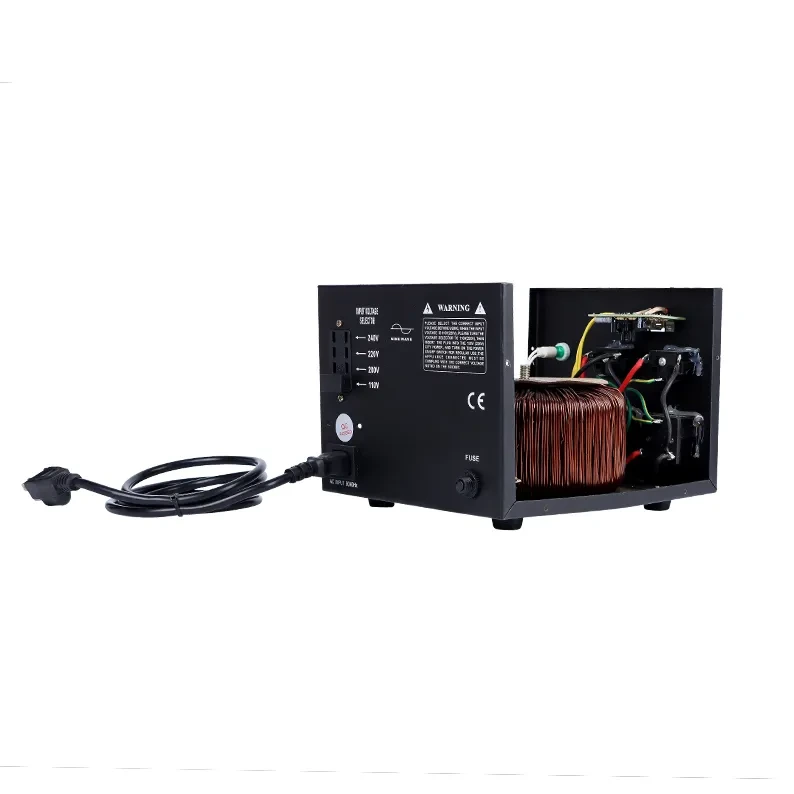
We charge for samples. There are two reasons. The first is that a sample is a real build using real copper and real core steel, and it goes through the same winding, assembly and testing steps as a production unit. The second is that a serious buyer and a casual enquiry look identical at the sample stage, and charging a fee is the simplest way to tell them apart. It also means the sample is genuinely your unit and you are free to test it however you want.
The fee itself depends on the model and on how much customisation is involved. A standard ST-2000 with a stock outlet and a standard label costs less than a unit with a custom faceplate, custom labelling and a non-standard output socket. We quote it clearly on the proforma invoice so there is no ambiguity.
On refunds, here is the policy we work to. When your bulk order reaches an agreed quantity, we credit the sample fee back against the order value. So the sample effectively becomes free once you move to production, provided the order is large enough to absorb it. Ask us for the specific threshold when we quote, because it varies with the model, and get it written on the proforma invoice rather than left as a verbal understanding.
What we do not do is refund the sample fee on its own if you decide not to order. If we did, the fee would not be doing its job. The freight for the sample is paid by you, and we will use your courier account if you prefer so that the cost is transparent and you control the service level.
Sample and Production Consistency: How We Keep Them the Same
This is the fair question every buyer asks, and it deserves a straight answer. A good sample proves what we can build. It does not automatically prove what we will build in a production run three months later. So here is what we do to close that gap.
The agreed specification is written down and it governs the production order. Voltage, capacity, winding material, insulation, socket type, RCD configuration and label content are all recorded, and a substitution in any of them would require your written agreement. We are not going to quietly change the core stack or the wire gauge and hope nobody notices.
We keep the sample’s build record on file. When your production order runs, the workshop works from the same specification sheet that produced the sample, not from a verbal description of it.
We wind with copper, and that is a specification rather than a marketing line. Aluminium windings are cheaper, they run hotter at the same rating, and the difference is not visible from the outside of a sealed case. If a supplier cannot tell you with confidence what the winding material is, that is worth asking about. It is the single most common way a production batch can be cheaper than the sample without looking any different.
You are welcome to have a third party inspect the batch, or to arrange inspection before shipment. If you use an inspection company, tell us at the order stage so we can have the units accessible and the documentation ready.
And if you want a second sample from the production batch before the rest ships, ask. It is an unusual request but a reasonable one, and we would rather you had the reassurance.
What to Test When the Sample Arrives
A sample that sits in its box on a shelf has taught you nothing. Put it to work for a few days before you commit to a bulk order. Here is the checklist I would use.
| What to check | How to check it | What good looks like |
|---|---|---|
| Output voltage on your supply | Measure at the output socket with the unit loaded, at the time of day your supply is weakest | Close to the nameplate figure and steady under load, not drifting downward |
| Start behaviour of your heaviest load | Switch on your compressor, pump or motor-driven appliance and watch the unit | Starts without buzzing, tripping or a visible dip |
| Temperature rise | Run it at your real load for an hour and feel the case and the vents | Warm, not hot to the touch, and stable rather than climbing |
| RCD function | Press the test button on the unit and confirm it trips | Trips cleanly and resets |
| Build quality inside the case | Open it and look at the windings, the terminations and the core | Neat tight winding, secure terminations, no loose hardware |
| Socket and plug fit | Plug your actual appliance in, more than once | Firm fit, no wobble, no need for an adapter |
| Labelling and manual | Read the faceplate and the manual against what you asked for | Correct ratings, correct brand, instructions your customers can follow |
If you find something you do not like, tell us while you are still testing. It is far easier to adjust a specification after one sample than after a hundred units. Most of the changes we make for customers at the sample stage are small ones, and they are the reason the production order goes smoothly.
Customisation You Can Test on a Sample
The sample stage is the right time to work out the details that make a product fit your market rather than just work.
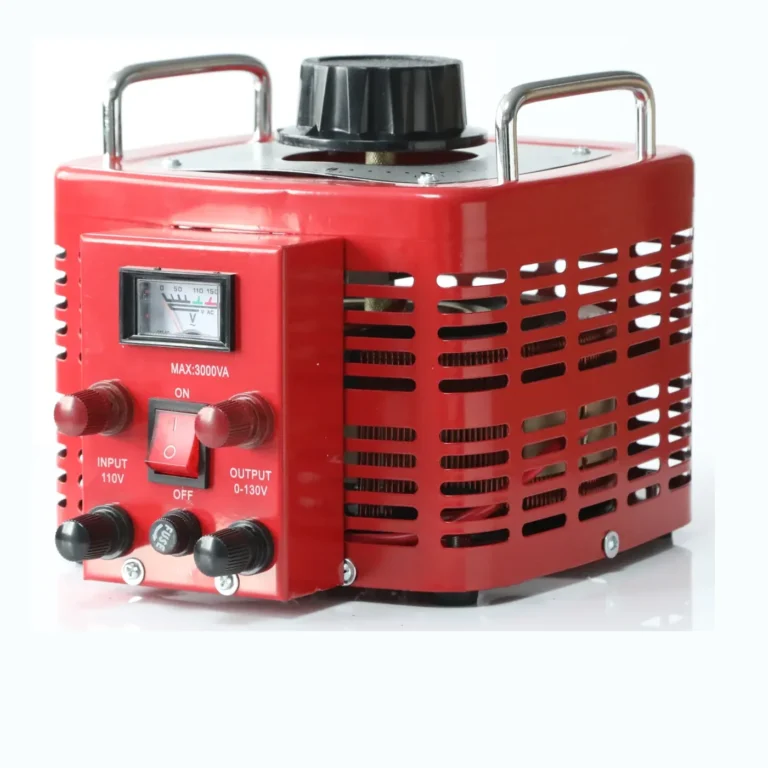
The outlet type is the obvious one. If your customers use a particular plug pattern, have the transformer built with that socket rather than shipping a unit that needs an adapter. We can fit the socket you specify, and there is no better time to confirm the fit than when you have your own appliances to plug into it.
Voltage and capacity are the next. If your market needs 220V to 110V and a neighbouring market needs 110V to 220V, the STU series with its bidirectional capability covers both in one product line, and a sample will tell you whether one SKU can serve both or whether you need two.
Then there is the label and the manual. Importers and contractors usually want their own name on the faceplate and their own manual in the box, in their own language where relevant. Send us the artwork and we will produce a sample unit with it fitted so you can see exactly how it will look on the shelf. It is a small thing that makes a large difference to how a product presents.
Finally, packaging. If your market needs retail-ready cartons, or if you are shipping to a distributor who repacks, tell us early. Packaging decisions affect the carton dimensions and therefore the container loading, so they belong in the sample conversation rather than three weeks before the vessel sails.
Three Myths About Sample Orders
The first myth is that suppliers charge for samples because they do not want small orders. That is not it. We charge because a sample is a genuine build and because a fee filters out the enquiries that were never going to become orders. Once you buy in quantity, the fee comes back to you.
The second myth is that a sample is representative of production by definition. It is not, and it is worth saying so plainly. A sample is representative when the specification is written down and the production batch is built to it. That is why we put the specification on the proforma invoice and keep the sample’s build record on file. Ask any supplier you are considering how they guarantee consistency, and listen to whether the answer is specific.
The third myth is that you can skip the sample if you have bought transformers before. Maybe. If you are ordering an identical model from the same factory you have used for years, a sample adds little. If you are changing supplier, changing country of use, or specifying a unit for a weak or unstable supply, the sample is cheap compared with being wrong. I have watched buyers discover on commissioning day that the unit they ordered cannot start the compressor, and it is a bad day for everybody.
A fourth point that is not a myth but is often overlooked. Order two samples if you can, one to keep as a reference unit and one to put into service. Keeping the reference unit means that when your production batch arrives, you can compare the two directly instead of relying on memory.
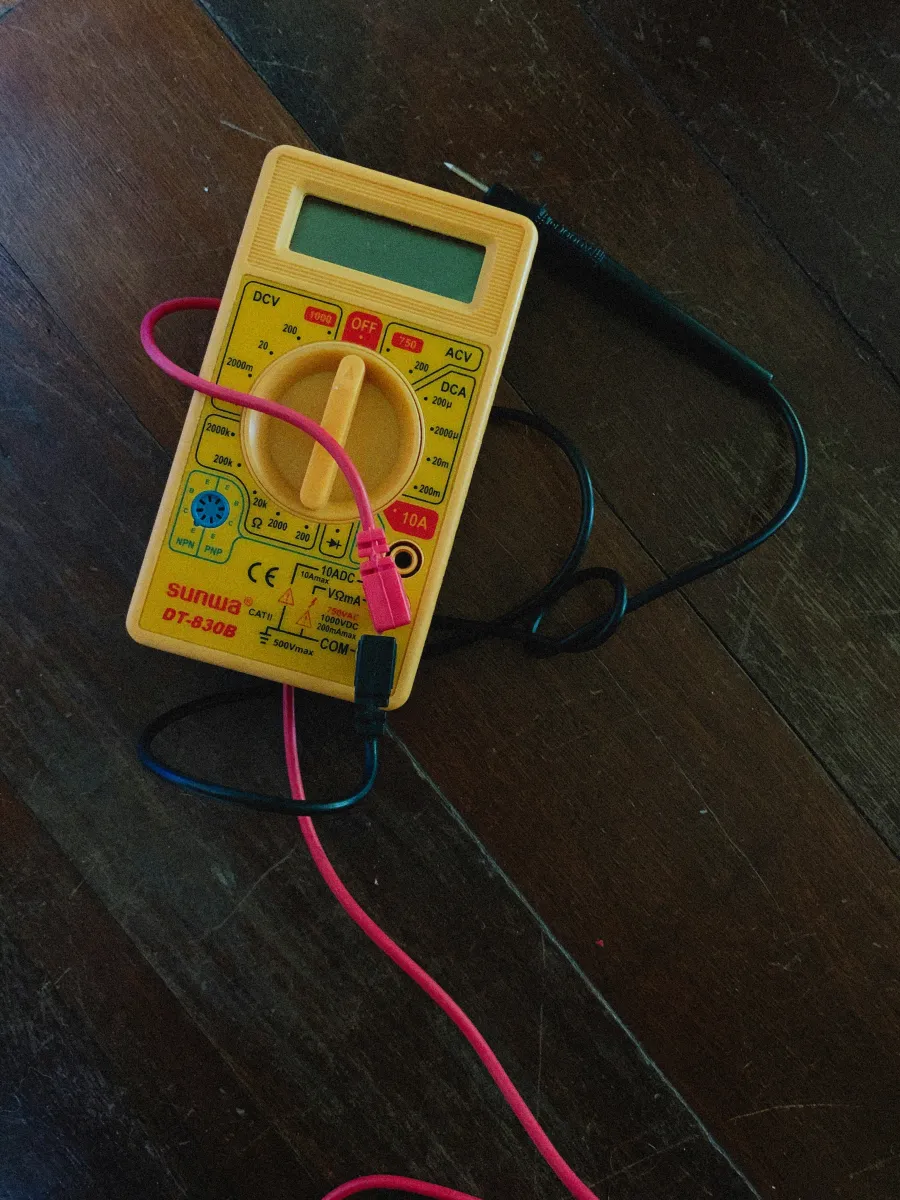
Shipping a Sample and What It Costs
Samples usually go by express courier, which is fast but priced on weight, and a transformer is a heavy item for its size. A single 2000VA unit is not a parcel you can hide in an envelope. Expect the freight to be a meaningful share of the total sample cost, and ask us for the packed weight and dimensions before you choose a service.
Some buyers use their own courier account so that the freight is billed to them directly and they control the service level. That works fine for us, and it keeps the cost visible. Others ask us to arrange it, which we are happy to do, and we will show you the courier charge as a separate line rather than burying it in the unit price.
If you are ordering several samples at once, combine them into one shipment. It usually costs less than sending them separately, and it means everything arrives at the same time so you can compare models side by side.
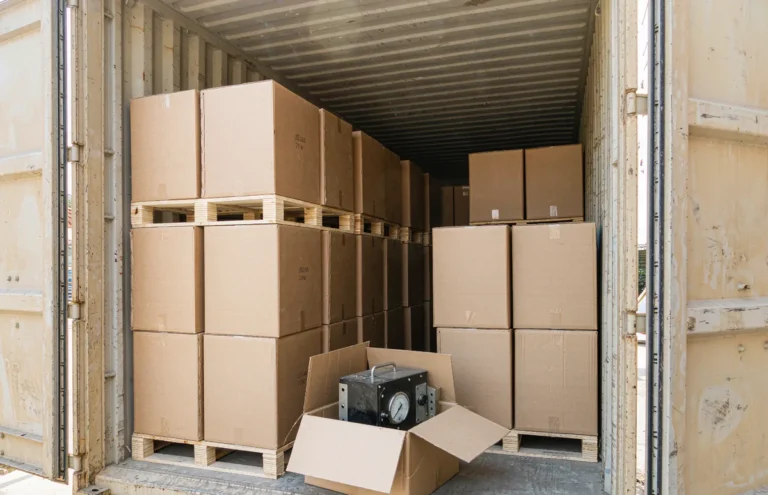
When the sample arrives, check the carton before you sign for it. Transformers are heavy and they get dropped. If the packaging is damaged, note it with the courier and photograph it before you open the box, because that is the evidence you need if there is a claim.
How to Start a Sample Order With Us
Send us four things and we can quote a sample the same working day. The model or the load you need, the input and output voltage, the quantity you are thinking about for the bulk order so we can quote the sample credit correctly, and your destination country. If you are not sure about the model, send the appliance list with the nameplate wattages and we will recommend one.
While you are putting that together, two pages on our site are worth a read. Our guide on MOQ, OEM and Lead Time: What to Ask a Transformer Factory covers the questions that decide whether a supplier can actually serve your market, which is useful context before you commit to anything. And if you are still working out whether you need to step down, step up, or do both, the step up & down transformers page on our site deals with that question directly. There is a wider set of more transformer buying guides on the site covering specification, pricing and payment questions.
If a point is unclear, ask. Getting the specification right on a sample is a ten-minute conversation, and it is the cheapest ten minutes in the whole project.
Frequently Asked Questions About Transformer Sample Orders
Here are the questions buyers ask us about samples most often, answered in the order they usually arrive.
How long does a transformer sample take?
Sampling takes 7 to 10 days from the point the specification is confirmed and the sample fee is settled, because it is a single unit going through our own workshop rather than a scheduled batch. If the sample needs a custom faceplate or your own branding on the label, allow a few extra days for artwork approval before the build starts.
Do you charge for a transformer sample and is the fee refundable?
Yes, we charge for samples, because a sample is a real build using real copper and core steel and it goes through the same winding, assembly and testing steps as a production unit. When your bulk order reaches an agreed quantity we credit the sample fee back against the order value, so the sample becomes free once you move to production.
How do you guarantee the bulk order matches the sample?
The agreed specification is written down on the proforma invoice and governs the production order, and we keep the sample’s build record on file so the workshop builds from the same sheet. We wind with copper rather than aluminium, we test every unit, and you are welcome to arrange third party inspection before shipment if you want it.
What should I test on a transformer sample before ordering in bulk?
Measure the output voltage under load on your own supply, especially at the time of day your voltage is weakest. Start your heaviest compressor or motor-driven appliance and watch for buzzing or trips. Run it at real load for an hour and check the temperature rise. Test the RCD button, open the case to inspect the windings, and confirm the socket fit.
Can I customise the voltage, socket and label on a sample?
Yes, and the sample stage is the right time to do it. We can build the unit with the output socket your appliances actually use, with the voltage and capacity your market needs, and with your own name on the faceplate and your own manual in the box. Send photographs of your plug and your artwork and we will fit them on the sample.
Next in the sequence: if you have not vetted the factory yet, start with how to verify a transformer factory before you order; once the sample passes, buying in bulk from a China factory covers the volume side.
Send us your specification and we will quote a sample the same working day. Tell us the model or the load, the input and output voltage, your planned bulk quantity and your destination country. Sampling runs 7 to 10 days, the fee is credited back against your production order, and the sample becomes the reference unit for the batch.
Or talk to us directly: WhatsApp +86 197 3022 6757 · Email sales@wilmall.com
MOQ 10 pcs · Lead time 15-25 days · FOB Ningbo or Shanghai · 12-month warranty