Step Down Transformer for Lebanon: 230V to 110V Guide
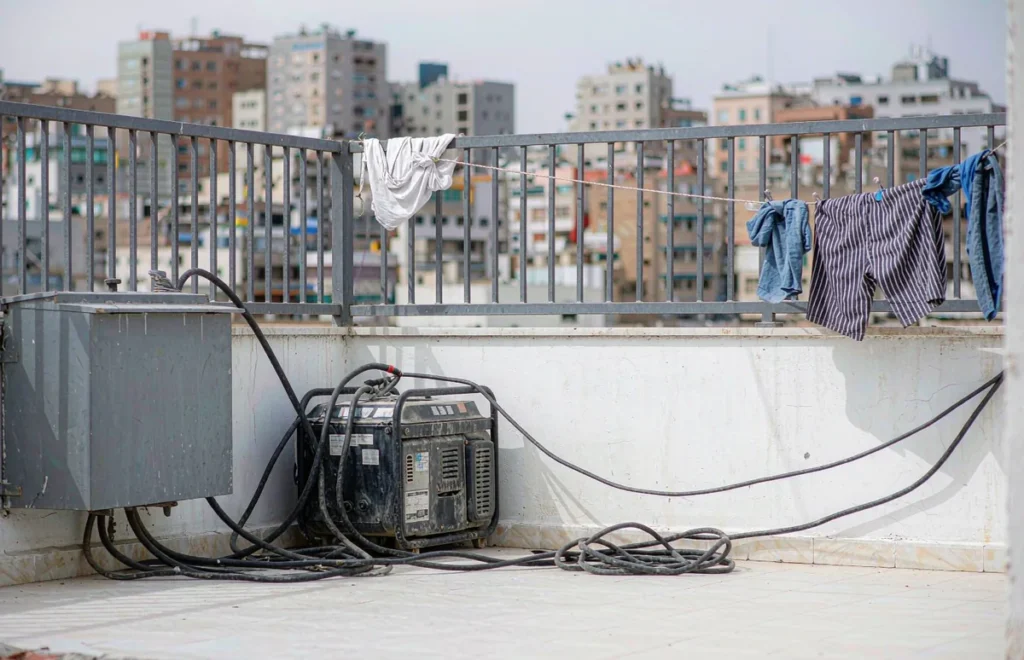
Lebanon is officially a 230V country at 50Hz, and if you only read that one line you will size the wrong transformer. The grid in Beirut and most of the country has been unreliable for years, and a very large share of households, shops and workshops run on a private diesel generator for part of every day. So when someone in Achrafieh or Jounieh asks me for a step down transformer for Lebanon, the voltage figure is the easy part. What decides whether the unit lasts is what happens when the generator takes over, and whether the transformer you bought was built to tolerate that.
I work at a low voltage transformer factory in Yueqing, China. We build step down units for export and we ship into the Middle East constantly. Lebanon enquiries tend to arrive through importers in Beirut, through electrical contractors wiring apartment blocks, and from families who shipped a container of 110V appliances from the United States or Canada and now need to run them. The questions are similar each time, so let me answer them here the way I answer them on WhatsApp, in plain factory language.
Lebanon Power Basics: 230V, 50Hz, and a Grid That Is Only Half the Story
Nominal supply in Lebanon is 230V at 50Hz. That matches most of Europe and the eastern Mediterranean, and it is the same nominal figure used in Egypt, Jordan, Turkey and Cyprus, so equipment ordered for the region is generally ordered at that number. Plugs and sockets are a mixed bag: Types A and B, the flat two-pin and three-pin North American pattern, show up widely alongside Type C, D and G. That mix is not an accident. It tells you the country has been importing appliances from both sides of the Atlantic for decades, and it is exactly why so many homes end up needing a 110V feed somewhere.
Here is where Lebanon differs from a European market. In most of Europe, 230V at 50Hz means 230V at 50Hz, and the only variation you plan for is a few percent either side. In Lebanon the supply can sag well below nominal during heavy demand, and it can rise above it when a generator is running unloaded or poorly regulated. Add the daily switching between utility power and private generator, and the input your transformer actually sees is a moving target rather than a fixed number.
That has a practical consequence for your purchase decision. A transformer designed for a stable European supply and a transformer designed for a supply that wanders are not the same build, even if the nameplate reads the same. When you buy for Lebanon, ask the supplier directly what input range the unit is built to accept. If the answer is a single number with no tolerance mentioned, keep asking.
The Generator Question: Dirty Power and What It Does to Your Equipment
Most buyers in Lebanon already know their building has a generator. Fewer think about what comes out of it. A diesel genset of the size that serves an apartment block or a small commercial building produces a waveform that is close to a sine wave but not identical to one. Its frequency drifts with load, its voltage regulation is looser than the utility’s, and when a big load like an elevator or a water pump kicks in, the whole supply dips for a moment and then recovers.
An iron-core transformer is fairly forgiving about this, which is one reason it is still the right answer. It is a passive device with two windings on a laminated steel core and no electronics in the power path. It does not care what shape the input waveform is in the way a switch-mode power supply does. If the input sags to 200V, the output sags proportionally to roughly 96V, and your refrigerator compressor will still start. If the input climbs to 250V, the output climbs toward 120V, and that is the case you need to think about.
Motors tolerate a modest overvoltage. Sensitive electronics do not enjoy it. If you are running a 110V control board, a medical device, a laser printer or a piece of lab equipment behind the transformer, an overvoltage event on generator power is the thing most likely to end its life. Two ways to handle that. First, size the transformer with real headroom so it is not the weak link. Second, if the load is genuinely sensitive, put a voltage stabiliser or an AVR in front of the transformer, or ask us about a unit with a wider input window. We can discuss it, and it is better to discuss it before you order than after.
One more generator detail that catches people out. Gensets are usually supplied at 230V single phase, so the transformer still works the same way. But the generator output is often on a separate circuit from the utility supply, sometimes through a changeover switch and sometimes not. Make sure your transformer is fed from a circuit that is live on both sources, otherwise you will find yourself moving plugs every evening. Contractors in Beirut handle this with a dedicated 230V ring or a small sub-panel, and it is worth the extra cable.
Sizing a Step Down Transformer for a Lebanese Household
This is where most of the wasted money sits. People either buy one unit that is too small for the whole apartment, or they buy a far bigger unit than they need and pay for copper they will never use. Neither is necessary once you look at the load honestly.
Add the Nameplates, Then Group Them
Start with the appliance list. Take the wattage off each nameplate rather than from memory, because imported appliances vary more than the model names suggest. A refrigerator might be 150W running. A chest freezer might be 200W. A microwave is often 1000W to 1500W. A coffee machine can be 1200W. A vacuum cleaner 800W to 1200W. A window air conditioner 1000W to 1800W. A treadmill 1500W to 2200W. A CPAP machine is tiny, usually under 100W.
Then decide which of those run at the same time. This is the step people skip. Nobody runs the microwave, the coffee machine, the vacuum and the air conditioner simultaneously in a Beirut apartment, but the refrigerator and the freezer run continuously whether you think about them or not, and the air conditioner runs for hours in August. So the realistic continuous load is refrigeration plus whatever is on at the moment, and the realistic peak is the moment the compressor starts.
Compressor and Motor Start Current Is What Decides the Size
A motor or compressor draws a surge on start that is several times its running current. In domestic equipment the number to use is roughly 2.5 to 3 times running watts for the starting instant. A 1800W air conditioner compressor can therefore ask for something in the region of 4500W to 5400W for a fraction of a second. A transformer sized exactly at 1800VA will not enjoy that, and it will let you know by buzzing, tripping or running hot.
That is why a 2000VA unit is the sensible minimum for one imported air conditioner rather than a generous choice, and why two imported air conditioners on one 2000VA box is a mistake. It is also why refrigeration should not share a unit with anything heavy. A fridge or freezer compressor cycles all day and all night, and every one of those starts is a stress event on a transformer that is already near its limit.
The Zoned Arrangement I Recommend in Lebanon
For a family apartment, I usually suggest two or three smaller units grouped by zone rather than one big box. Refrigeration on its own unit, so a fault or an overload in the kitchen does not warm up the freezer. Kitchen small appliances on a second unit. Entertainment, computers and chargers on a third, or on the same one as the small appliances if the total stays well under the rating. In a country where power is already interrupted regularly, keeping the cold chain independent is worth far more than the small saving from buying one larger box.
For a shop, a workshop or a small commercial kitchen, the logic is the same but the numbers are bigger and the duty cycle is longer. A bakery running imported mixers, a printing shop with imported equipment, a salon with a row of styling stations, a workshop with imported power tools. In those cases I would size by zone and treat each motor-driven machine as its own conversation, especially if it starts and stops all day.
Reference Table for Common Lebanese Enquiries
Here is a starting point built from the enquiries we actually get from Lebanon. Use it to get close, then send us the real nameplate figures, because imported appliances are rarely as uniform as the labels suggest.
| Application | Typical load | Suggested unit | Why this one |
|---|---|---|---|
| Apartment, one imported refrigerator plus electronics | 250 – 900 W | ST-1500 or ST-2000 | Compressor start is the deciding figure, not running watts |
| Apartment, full kitchen and entertainment group | 900 – 1800 W | ST-2000 with RCD | Mixed appliances with one heavy item at a time |
| One imported 115V air conditioner or heat pump | 1000 – 1800 W running | ST-2000, one unit per machine | Start surge of 2.5 to 3 times running load |
| Whole apartment, refrigeration plus kitchen plus AC | 2000 – 3500 W | Two STU-3000 on separate circuits | Keeps the cold chain on its own supply through outages |
| Shop, salon or small office | 1500 – 3000 W | STU-3000 bidirectional | Long trading hours with several motor loads |
| Workshop or commercial kitchen | 3000 – 5000 W | STU-5000 bidirectional | Continuous duty and heavy start currents |
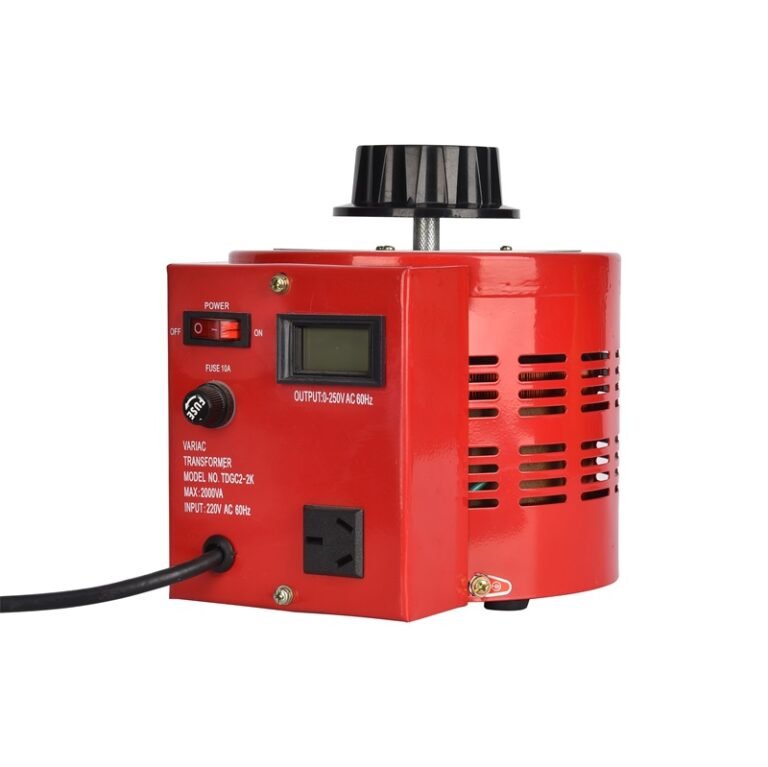
| Service bench checking imported machines | 500 – 2000 W variable | Variac 1KVA to 3KVA | Adjustable output to test equipment before installing it |
A note on the last row, because it matters more in Lebanon than in most markets. A repair shop that services imported American appliances works on machines whose correct supply it cannot predict. A Variac lets the technician bring the voltage up gradually and watch what the machine does at 100V, 110V and 120V. At 500VA, 1KVA, 2KVA and 3KVA we build four sizes, and the 2KVA and 3KVA units are the ones that get ordered for workshop use.
Installation, Safety and the RCD Question
Lebanon’s wiring is a mix of old and new, and the building regulations people actually follow vary from one district to the next. That is a reason to be more careful, not less. A few points that come up on almost every installation conversation.
Earth the enclosure. A transformer with a metal case must be properly earthed, and in older buildings the earth conductor is sometimes missing or not actually connected to anything. Check it before you energise the unit. If there is no usable earth, that is a job for an electrician and not something to work around.
Use an RCD. The ST-2000 comes with RCD protection built into the enclosure, and I would not install a 110V feed in a kitchen or bathroom area in Lebanon without it. The supply alternates between utility and generator, the load side is full of appliances with plugs that get moved around, and an RCD is the one device that will save a life in a wet-room fault. Adding an upstream RCD to a transformer that does not have one built in is cheap. Do it.
Do not put the transformer in a sealed cupboard. These units are air cooled, and the case vents are doing real work. Leave at least 100mm of clear space on every vented face, do not stack boxes or hang laundry against it, and never enclose it in a closed wooden cabinet. In a Lebanese summer, with the unit running on generator power and the ambient already high, an enclosed transformer is a unit that will fail early.
Keep the 110V side separate. Do not mix 230V and 110V sockets on the same outlet plate, and do not extend the 110V side with long thin cables. A voltage drop on the 110V side is proportionally larger than on the 230V side, and a long run will leave you wondering why an appliance that worked on a short cable behaves badly on a long one. Keep the run short or use a heavier conductor.
Mistakes I See Buyers in Lebanon Make
The first is buying a travel converter instead of a transformer. A travel converter is a small electronic device that chops the supply. It works on a hair dryer and it destroys a compressor. If what you are powering has a motor or a control board, you need an iron-core transformer with copper windings, and that is what every unit we build is.
The second is sizing to the running watts and forgetting the start. This is the single most common cause of an overload trip on commissioning day. The appliance list is fine, the arithmetic is fine, and the transformer still cannot start the air conditioner because nobody multiplied by 2.5.
The third is ignoring what happens during a generator changeover. If the transformer is on a circuit that dies when the utility drops, the whole purchase is pointless. Ask the building’s generator operator which circuits stay live, and if the answer is unclear, get an electrician to give the transformer its own feed through the changeover.
The fourth is buying one oversized unit for a whole apartment. Bigger is not automatically safer here. A 5000VA unit running at 400W has poor regulation at the low end of its range, and you paid for copper you are not using. Two mid-size units matched to their zones will behave better and cost about the same.
Shipping to Beirut and Getting Your Unit There in One Piece
Freight into Lebanon moves through Beirut Port for the overwhelming majority of commercial cargo, with air freight into Beirut Rafic Hariri International Airport for urgent or high-value items. Because the country is small and the volumes per shipment are modest, a lot of Lebanon-bound cargo from China is consolidated with other consignments before it sails, and transit times can stretch when the schedule is not direct.
We ship FOB Ningbo or Shanghai, which puts the main leg of the journey in your hands or your forwarder’s. Tell us at quotation stage who the importer of record will be and which port you want, because the bill of lading and the certificate of origin have to match the consignee and the route. It is a great deal easier to get that right while the goods are still on our floor than to correct it once the container has left.
The document set is the usual one: commercial invoice, packing list, bill of lading and a certificate of origin. Lebanon applies customs duty and VAT on imports, and your clearing agent will know the current treatment for the tariff heading you are importing under. Ask them before you quote a landed cost to your own customer, because rates and procedures there have been revised more than once.
On the product side, tell us if your customer or your customs broker needs a specific set of papers. CE documentation and a test record from your production batch are things we prepare as a matter of course, but they are easiest to prepare before the goods ship. Send us the requirement at the quotation stage and we will build the file alongside the order.
The Units We Build and How We Supply Lebanon
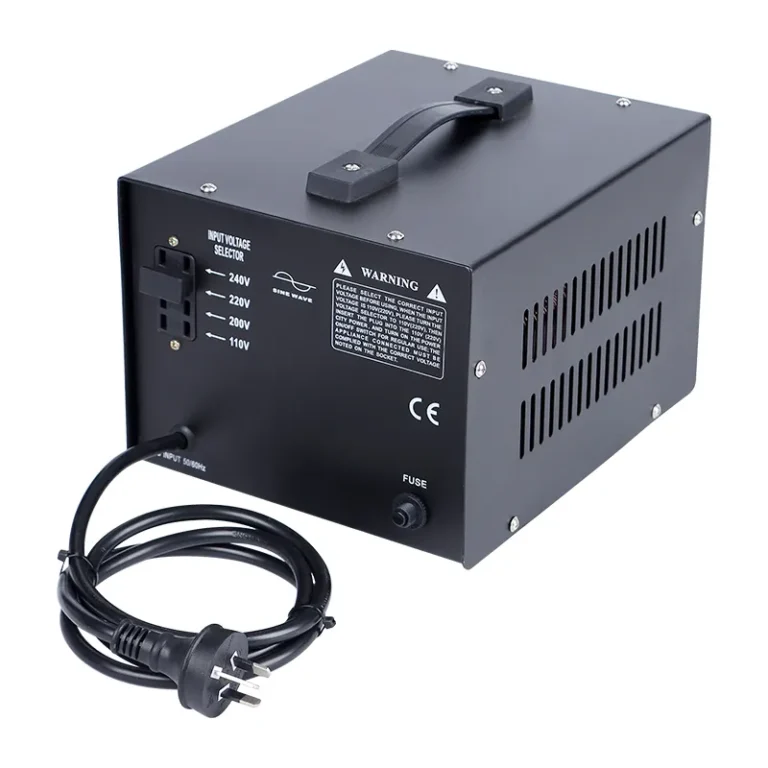
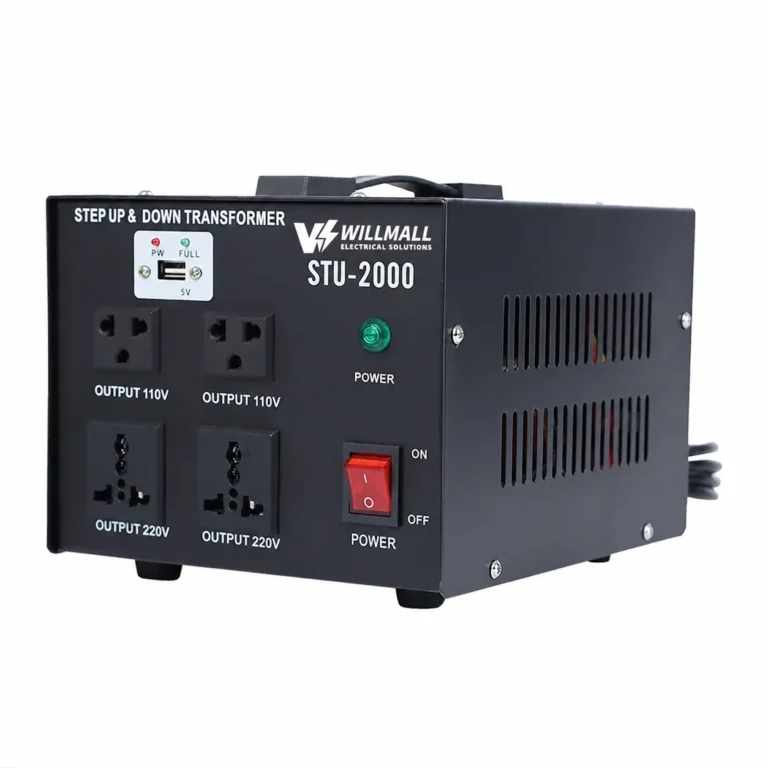
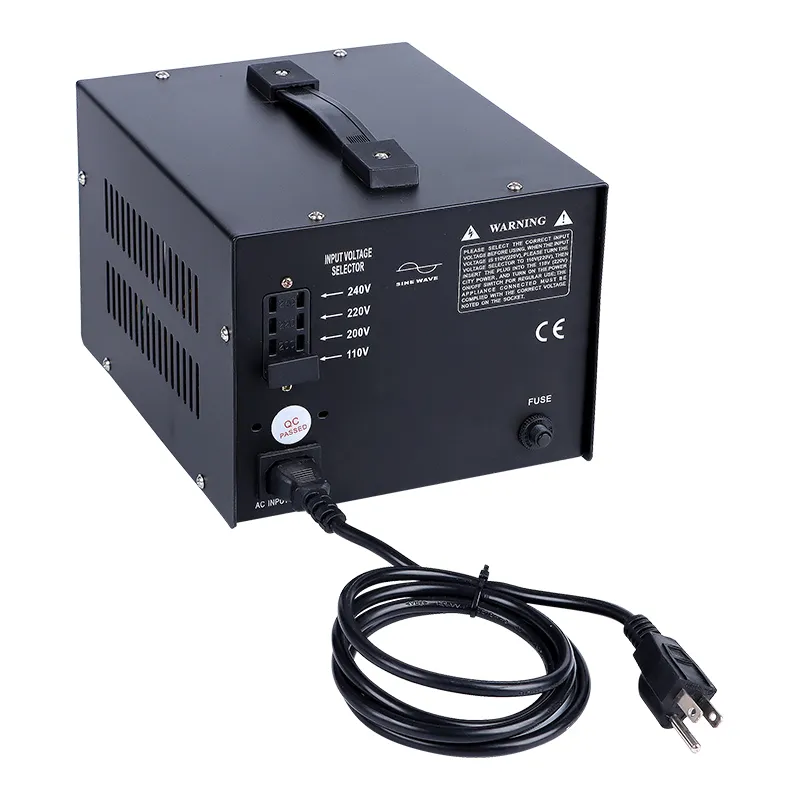
We are a factory rather than a trading company, so I can be specific about what comes off our line. The ST-2000 is a 2000VA step down transformer taking 220V or 230V in and giving 110V out, with RCD protection built into the enclosure. For a household group of appliances, or a single imported air conditioner, that is the unit I quote most often into the Levant. The RCD is not a marketing feature. In a country where kitchens and bathrooms are wet rooms and the supply is shared between utility and generator, it is the protection that matters.
When the load grows we move to the STU series. STU-3000 and STU-5000 are bidirectional, so they step up as well as down, and they carry the heavier side of commercial work: kitchens, salons, workshops and the zoned arrangements I described above. Bidirectional capability is genuinely useful in Lebanon, because a market that imports from North America and from Europe ends up needing to go both directions sooner or later.
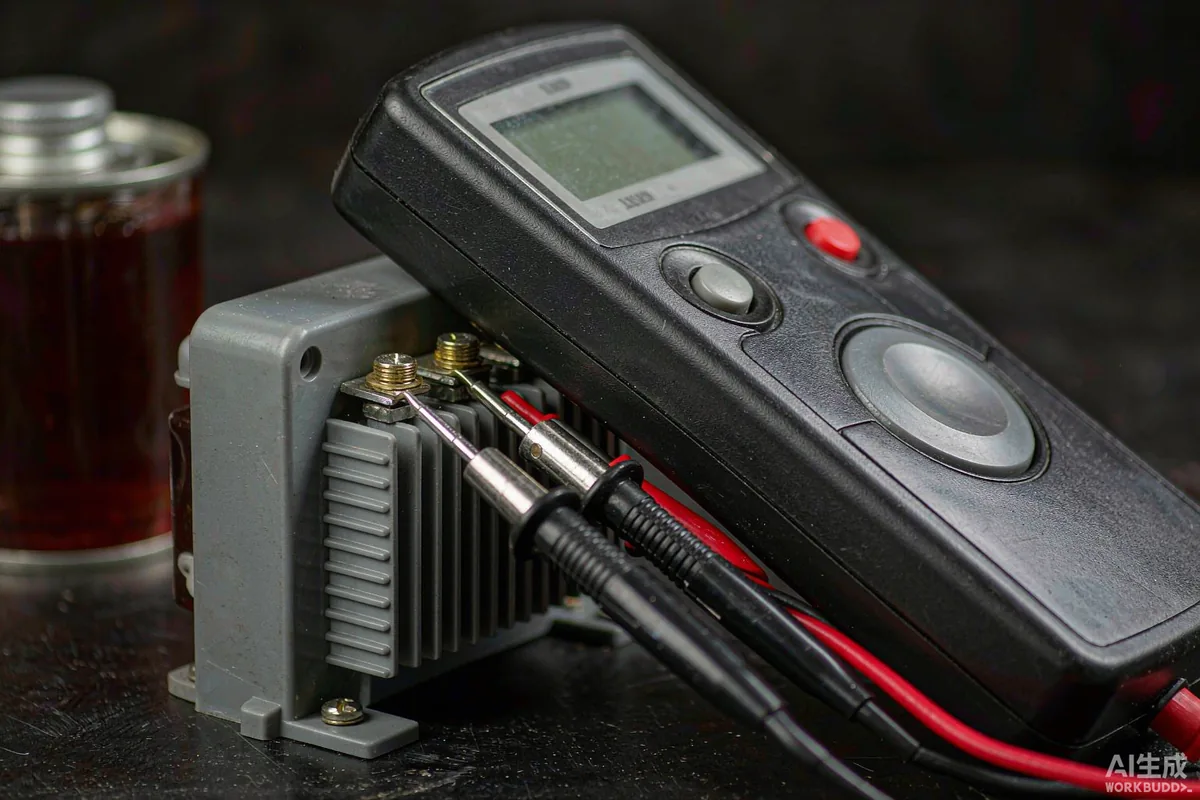
The DT-1000VA is our bidirectional automatic unit and suits front desks, offices and equipment carts where a modest load needs to work either way without anyone thinking about it. The Variac range rounds out the line at 500VA, 1KVA, 2KVA and 3KVA. Adjustable output sounds like a specialist tool until a technician in Beirut is commissioning an imported machine and wants to see how it behaves at 105V before signing off.
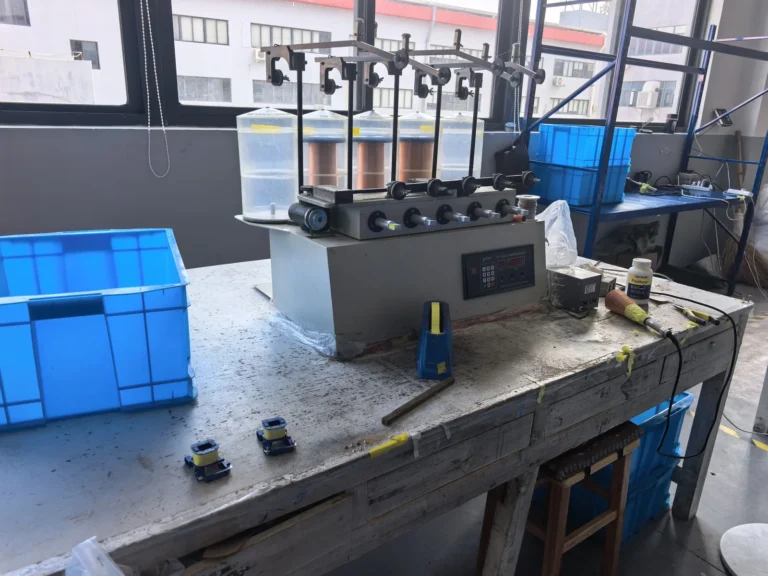
Here are the numbers, since buyers ask about them first. Our minimum order is 10 pieces. The production window is 15 to 25 days, driven by the quantity and by whether the units need custom labelling. Terms are FOB Ningbo or Shanghai with a 12-month warranty on every unit, and the windings are copper, with 100 percent of units tested here in Yueqing before dispatch. Your batch record shows input voltage, output voltage under load and no-load current, which is the document anyone needs if there is ever a warranty conversation.
For Lebanon, two customisation requests come up again and again. The first is the outlet type, and we can fit the socket your appliances actually use so nobody is relying on a drawer full of adapters. The second is the label, since importers and contractors often want their own name on the faceplate and their own manual in the box. Send us a photo of the plug on your refrigerator and we will match it.
The Information We Need to Size Your Unit
You can raise the question long before a finished specification exists. Send it over in whatever state it is in. The appliance list with the wattage from each nameplate, a photo of one nameplate if that is quicker than typing, how many appliances need a 110V feed, which of them have motors or compressors, whether the supply is utility only or utility plus generator, and where the unit will be mounted. With that we can size it, quote the quantity and give you a delivery window, normally the same working day.
A couple of things worth reading while you put that list together. Our guide to a Voltage Converter for Egypt covers a nearby market with the same 230V, 50Hz supply and a similar mix of imported equipment, so most of the sizing logic carries straight across. If the step down, step up or both question is still open, our page on step up & down transformers sets the three options side by side. There is also a set of voltage guides by country on the site covering the rest of the region.
If a nameplate is unclear, send the list with a photo of your plugs. Sizing a step down transformer for Lebanon is routine work for us, and we would much rather spend ten minutes on WhatsApp than have you find out during an August outage that the unit you bought cannot start the compressor.
Frequently Asked Questions About Step Down Transformers in Lebanon
Below are the questions that arrive most often from Beirut and from Lebanese importers, set out as I would talk you through them.
What voltage and frequency does Lebanon use?
Lebanon is nominal 230V at 50Hz, the same as most of the eastern Mediterranean. Sockets are a mix of Type A, B, C, D and G because the country has imported appliances from both sides of the Atlantic for decades. Utility supply is unreliable, so most households and shops also run on a private diesel generator for part of each day.
Can a step down transformer run on generator power in Lebanon?
Yes, and an iron-core transformer is the right choice because it has no electronics in the power path and tolerates a generator waveform. What you should watch is voltage. A genset’s regulation is looser than the utility’s, so an overvoltage event can push the 110V output toward 120V. For sensitive equipment, add a stabiliser or ask us for a wider input window.
How do I size a step down transformer for a Lebanese apartment?
Add the nameplate watts of every 110V appliance, then decide which run together. Refrigeration runs continuously, so keep it on its own unit. For anything with a compressor or motor, allow 2.5 to 3 times running watts for the start. A single imported 115V air conditioner needs a 2000VA unit of its own, such as the ST-2000.
Do I need an RCD on a 230V to 110V transformer in Lebanon?
I would not install a 110V feed in a kitchen or bathroom area without one. The supply switches between utility and generator, the load side is full of appliances whose plugs get moved around, and an RCD is the device that protects a person in a wet-room fault. The ST-2000 has RCD protection built into the enclosure.
How does wilmall ship transformers to Lebanon?
We ship FOB Ningbo or Shanghai, so you or your forwarder control the main leg into Beirut Port. The document set is a commercial invoice, packing list, bill of lading and a certificate of origin, with CE documentation and a batch test record available for your broker. Minimum order is 10 pieces and production runs 15 to 25 days.
Your appliance list costs nothing to send and it heads off most sizing mistakes. Tell us which 110V machines you run in Lebanon, whether any of them have compressors, and whether your supply is utility only or utility plus generator. Once we have that, you get a recommended unit, a quantity and a price, normally within the same working day.
Or talk to us directly: WhatsApp +86 197 3022 6757 · Email sales@wilmall.com
MOQ 10 pcs · Lead time 15-25 days · FOB Ningbo or Shanghai · 12-month warranty