Low Voltage vs Line Voltage Lighting: What Is the Difference?
Ask ten electricians which lighting system they prefer and you will get ten different answers, because line voltage and low voltage lighting are both right, just for different jobs. The difference is simple on paper: line voltage fixtures run directly on your 120V or 220V wall circuit, while low voltage fixtures run on 12V or 24V that a transformer steps down for them first.
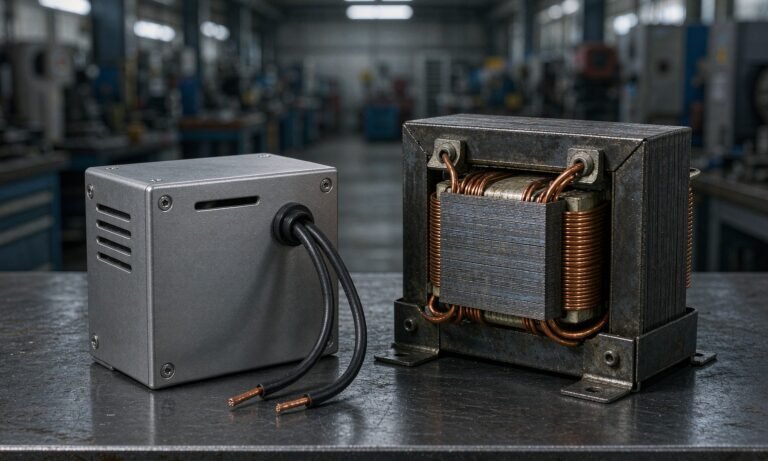
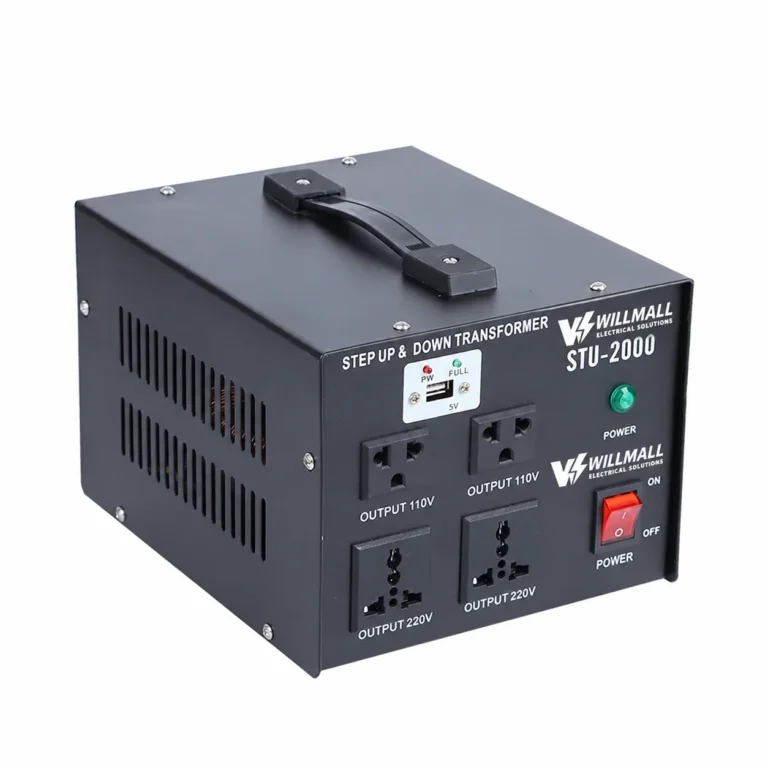
I work at a transformer factory in Yueqing, China, so my view is admittedly biased toward the low voltage side, but not without reason. We ship the little boxes that make low voltage lighting work, and we see which projects succeed and which ones come back for a refund. This article compares the two systems honestly, so you can pick the right one instead of whichever your friend happened to install.
What Line Voltage Lighting Actually Is
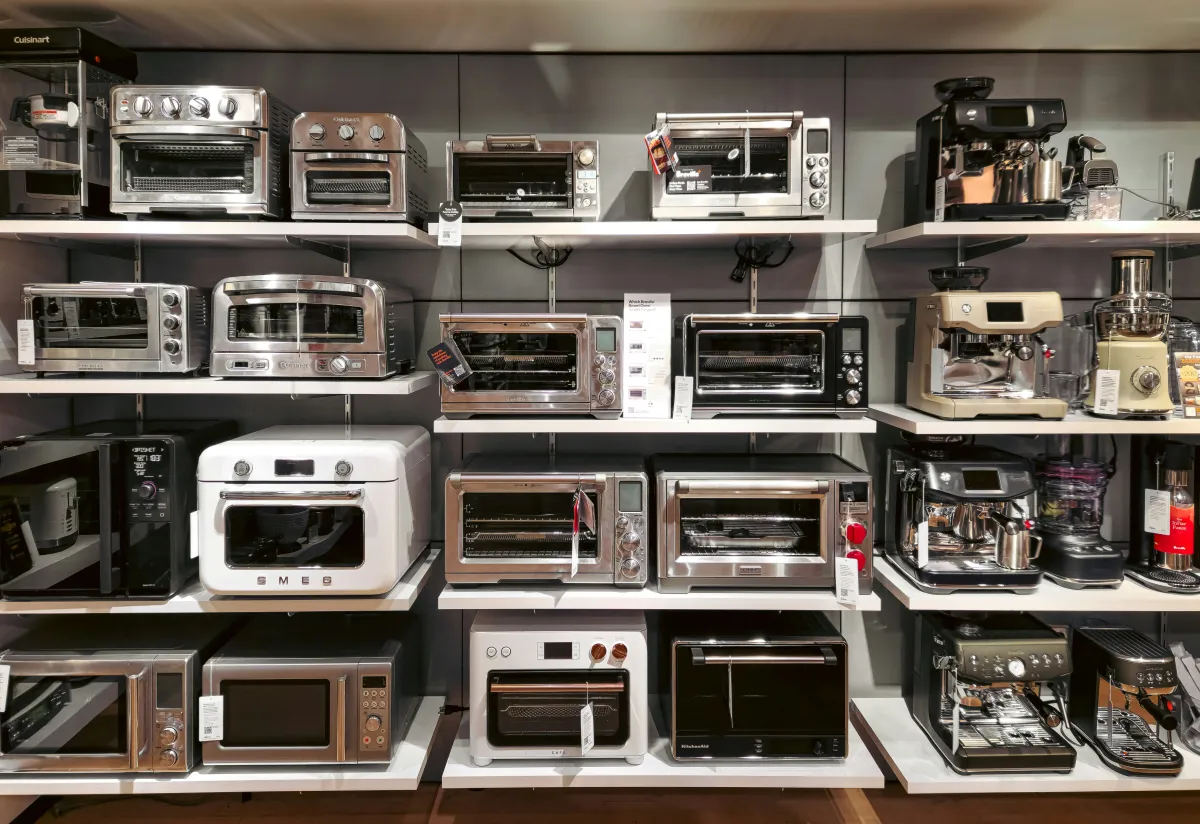
Line voltage lighting is the ordinary stuff. A standard wall fixture, a ceiling light on a normal switch, a plug-in lamp. The bulb screws straight into the mains circuit, no converter anywhere in between. It is cheap to install because you skip the transformer entirely, and the fixtures themselves are everywhere, which keeps prices low and replacement easy.
The trade-off shows up the moment the lights go outside or anywhere near water, children or metal. Full mains voltage is present right up to the bulb. A nick in the cable, a damp connector, a loose splice, and you have a live wire in a place people walk. Building codes in most countries now demand extra protection for outdoor circuits, and even then, line voltage outside is a decision to think hard about.
There is also the matter of bulb choice. Line voltage fixtures dictate what bulbs they accept, and you stay tied to whatever the socket takes. If you want to redesign a garden layout next year, you are rewiring at mains level, which is not a casual weekend job.
Low Voltage Lighting: The Safer Cousin That Needs a Transformer
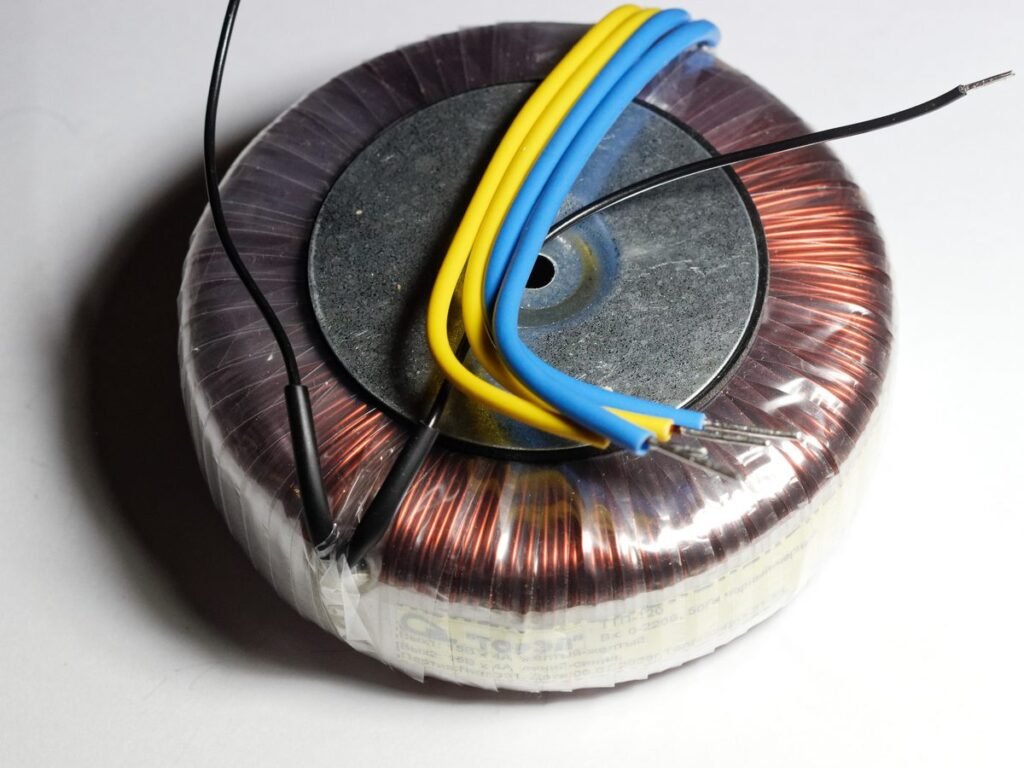
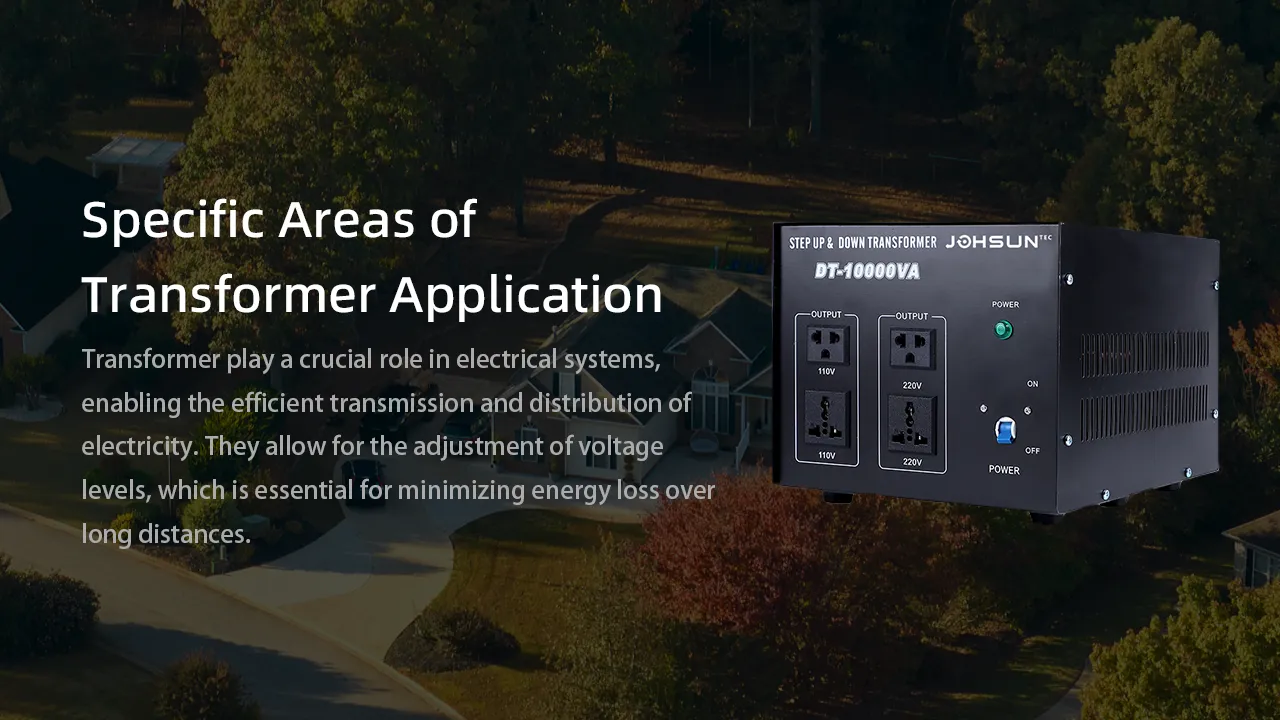
Low voltage lighting flips the arrangement. The transformer sits near the power source, steps 120V or 220V down to 12V or 24V, and from that point on, everything in the ground is running on a voltage that will not hurt a curious child or a dog chewing a cable. That is the headline benefit, and it is not a small one.
The classic example is garden and landscape lighting. You bury a low voltage cable around the yard, tap small 12V fixtures along it, and drive the whole loop from one transformer hidden behind the house or mounted on the wall. The installer works with thin flexible cable that does not need conduit, and the homeowner can move a fixture later without calling an electrician. Done right, that whole setup carries less risk in the ground than a single exposed mains socket.
The low voltage idea is not limited to gardens. Under-cabinet lights in a kitchen, strip lighting behind shelves or in stair nosing, workshop task lamps, display case lights, all of these run happily on 12V or 24V through a transformer. When the fixtures are built for low voltage, they tend to be smaller, cooler and easier to hide than their mains cousins, which is why designers reach for them in tight spaces. Indoor designers choose low voltage lighting for a second reason too: control. Because everything downstream of the transformer sits at 12V or 24V, switching and dimming happen on the low voltage side, which opens up grouping lamps into scenes and running long flexible strips off one supply in a way a mains switch simply cannot match. For a kitchen, a bar or a display wall, that freedom often decides the project.
Safety, Efficiency and Installation: Where They Really Differ
Let us settle the safety question first, because it is the reason most people start reading. At 12V or 24V, a person touching a bare conductor usually feels nothing dangerous, the voltage is simply too low to push a harmful current through the body. Line voltage at 120V or 220V can kill, and it kills quickly in wet conditions. For anything outdoors, near water, in a garden or on a job site, low voltage is the defensible choice and the choice most codes prefer for lighting that people can reach.
Efficiency is where the picture gets fairer to line voltage. Modern line voltage LED bulbs are highly efficient, and the wiring losses in a low voltage system at 12V can be noticeable on long cable runs. The transformer itself also idles and consumes a little power even when the lights are off, unless it is switched on the primary side. So low voltage is not automatically the greenest option, and we do not pretend otherwise.
Installation cost is where low voltage wins back the argument. Low voltage cable is cheap, flexible, runs without conduit and can be buried shallow. Fixtures are designed to be daisy-chained by a homeowner with basic tools. A line voltage outdoor circuit needs conduit, proper boxes, GFCI protection on the circuit, and usually a licensed electrician. On a typical garden job, the labour saving with low voltage lighting more than covers the cost of the transformer.
Cable Run and Fixture Voltage: What Beginners Miss
Here is the part first-time buyers skip and then regret: low voltage does not mean no voltage drop. At 12V, cable resistance eats a meaningful share of the power, and the longer the run, the dimmer the last fixtures get. That is why the fixtures at the far end of a long garden loop look tired while the ones near the transformer are bright. The fix is thicker cable, shorter loops, or stepping up to 24V for longer runs.
Match the fixture voltage to the transformer output and do not guess. A 12V fixture on a 24V transformer will burn out quickly, usually dramatically, and a 24V fixture on 12V will just sit there dim. Every fixture and every transformer carries its voltage on the label. Read both before you connect anything, and if you are running LEDs, confirm the transformer is rated for LED loads, because some older units do not play well with LED drivers. Our low voltage transformer for LED lighting guide covers that compatibility question in detail.
When Line Voltage Is Still the Right Answer
For all that praise of low voltage lighting, plenty of situations do not need it. Interior ceiling lights, flush mounts, chandeliers, standard sconces, these live comfortably on line voltage and converting them to low voltage would buy you nothing. If the fixtures never go outside, never get touched by people in bare feet and never sit near water, line voltage is simpler and cheaper, full stop.
High-bay warehouse lights and other big luminaires are also usually line voltage by design, because at those wattages the economics of low voltage cable runs fall apart. So the honest summary is this: low voltage wins outdoors, in wet areas, in tight retrofit spaces and anywhere safety matters. Line voltage wins in ordinary indoor ceilings where the wiring already exists and nobody is going to touch the bulb while it is live. One more practical note in the same direction. A low voltage system adds a transformer, which is one more box to mount, one more component that can fail and one more thing to hide. In an attic packed with standard recessed mains lights, adding individual transformers to every row buys you nothing but extra maintenance points. If the fixtures are already indoors, dry and out of reach, keep the wiring simple, simple systems fail less.
Sourcing Transformers for a Low Voltage Lighting Product Line
If you sell or import lighting, the transformer choice shapes your whole product quality story. A lighting brand that ships a transformer that hums, overheats or fails at 80 percent load will watch the returns come back, no matter how good the fixtures are. That is why importers who build a low voltage lighting range usually spec the transformer as carefully as the lamps.
At the factory we build lighting transformers under the JMB series name, wound with copper and tested under load before they leave Yueqing. The JMB lighting transformer takes 220V or 380V input and delivers 12V, 24V or 36V across a range from 25VA to 50kVA, which covers everything from a single garden loop to a row of machine safety lights. For panel-mounted control supplies the same range crosses into control transformers, so a buyer consolidating SKUs can often cut two suppliers down to one.
For brands, we do OEM builds: your label, your packaging, our copper and our test records. Tell us your target market voltage, your fixture wattages and your box dimensions, and we will quote a transformer matched to the job. You get the factory price instead of buying through a trading company, and you get the meter readings to prove the unit performs before it goes in your carton.
Low Voltage vs Line Voltage Lighting Questions
Here are the questions buyers ask when they are comparing these two systems.
Is low voltage lighting safe compared to line voltage lighting?
Yes, low voltage lighting is safer because 12V or 24V cannot push a dangerous current through the body the way 120V or 220V can. The mains voltage stops at the transformer. That is why low voltage lighting is the standard choice for gardens, pathways and wet or outdoor areas.
Can I convert my existing line voltage fixtures to low voltage?
Usually not directly. Line voltage fixtures are built to take mains bulbs and their wiring is not matched to a low voltage lighting system. The practical route is replacing the fixtures with ones rated 12V or 24V and installing a low voltage transformer at the power source. Check each fixture label first.
How long can the cable run be on a 12V low voltage lighting system?
It depends on the cable gauge and total wattage. In a low voltage lighting layout at 12V, voltage drop appears quickly on thin cable, so long runs need thicker cable or shorter loops. For runs beyond roughly 30 meters, stepping up to 24V with a matching transformer reduces the drop and keeps fixtures bright.
Do low voltage LED lights need a special transformer?
Many do. Some magnetic low voltage transformers were designed before LED loads existed and can behave oddly with modern LED drivers. If you run LEDs in a low voltage lighting setup, choose a transformer that is rated for LED loads. Tell us your LED wattage and we can confirm the right unit.
Why do the lights at the end of my low voltage run look dimmer?
That is voltage drop along the cable. The resistance of thin or long wire eats into the 12V supply, so fixtures furthest from the transformer receive less voltage and look dim, a classic problem in low voltage lighting. Use thicker cable, split the loop, or run 24V instead. Sizing the transformer correctly also helps.
Building a low voltage lighting project or a product line and need transformers you can rely on? Send us your mains voltage, total fixture wattage and run length, and we will match you with a copper-wound unit from the factory.
Or talk to us directly: WhatsApp +86 197 3022 6757 · Email sales@wilmall.com
MOQ 10 pcs · Lead time 15-25 days · FOB Ningbo or Shanghai · 12-month warranty