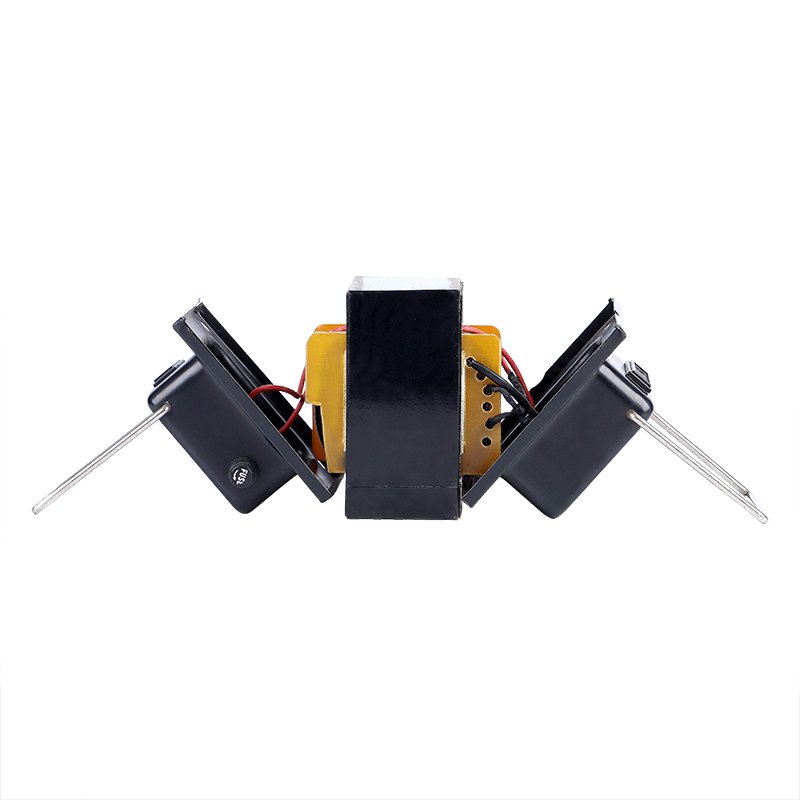
Transformer Frequency: 50Hz vs 60Hz Explained for Buyers
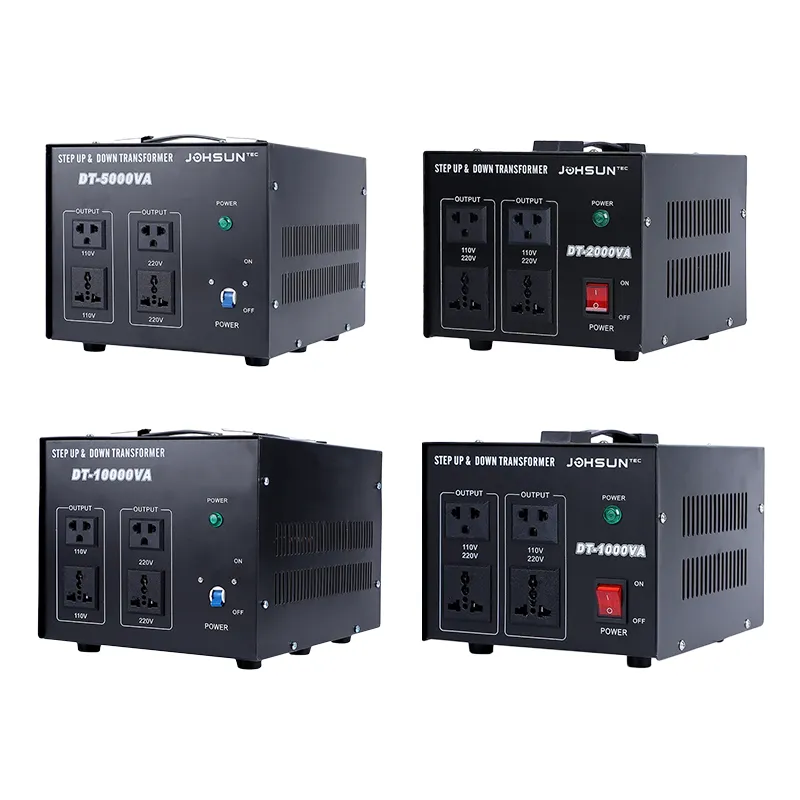
Quick answer: what is transformer frequency, and does it matter
Transformer frequency is the mains frequency the unit is built for, 50Hz in most of the world and 60Hz in the Americas and parts of Asia. A transformer rated for both, marked 50/60Hz, works anywhere. The practical rule for buyers: always choose a dual-frequency transformer unless you are certain you will never move it between frequency regions. All our units are rated 50/60Hz as standard, so the voltage conversion is correct in any country, and the frequency question becomes about the appliance, not the transformer.
What frequency actually does in a transformer
Mains frequency is how often the alternating current changes direction each second, 50 times a second on 50Hz and 60 times on 60Hz. A transformer is a magnetic device that works by the changing magnetic field, so the frequency directly affects how the core behaves. A transformer designed for 60Hz run on 50Hz works at a lower frequency, the core saturates differently, and the unit can run hotter and hum louder, and the output voltage changes. A transformer designed for 50Hz run on 60Hz usually works with a slightly different output. The clean solution is a transformer rated for both frequencies, which the manufacturer designs to work correctly across the range. That is what we build, and it is what every buyer should look for.
Which countries run 50Hz and which run 60Hz
| Region | Typical voltage | Frequency |
| United States, Canada, Mexico | 120V | 60Hz |
| Most of South America | 110-220V | 50-60Hz |
| Europe, UK, Middle East, Africa | 220-240V | 50Hz |
| Most of Asia | 220-240V | 50Hz |
| Japan, Philippines, South Korea | 100-220V | 60Hz |
The pattern is not perfectly uniform, Brazil mixes frequencies by region, and Japan uses 50Hz in the east and 60Hz in the west. The practical approach is to check the frequency at your destination before buying, and to choose a dual-frequency transformer so the question disappears. Our transformers are rated 50/60Hz, printed on the label, so you never have to worry about frequency when you buy a unit from us.
Does frequency affect the appliance through a transformer
A transformer converts voltage, but it does not change the frequency, so the appliance sees the same frequency as the wall. That matters for appliances that rely on the mains frequency for timing or motor speed, such as a turntable, an electric clock, or some fans. A US turntable designed for 60Hz will run slightly slower on 50Hz, and a clock will lose time. Most modern appliances with switched-mode power supplies accept both frequencies, and most motors tolerate the 20 percent difference. If you are importing frequency-sensitive devices for resale, check which models are affected. For the transformer itself, the dual rating means the voltage conversion is always correct, and the appliance’s own sensitivity is the only remaining consideration.
What happens if you run a transformer on the wrong frequency
Running a single-frequency transformer on the wrong frequency is usually not catastrophic, but it is not healthy. A 60Hz-only transformer on 50Hz can run hotter, hum louder, and deliver a slightly different output voltage, and the core can saturate, which stresses the insulation over time. A 50Hz-only transformer on 60Hz generally runs cooler and the output changes less, but it is still operating outside its design. The honest advice is to avoid single-frequency units altogether unless you are certain of the use case. A dual-frequency transformer costs the same, is built for both, and removes the risk entirely. When a buyer asks us whether their transformer will work after moving countries, the dual rating on our label gives a clean yes.
How to check the frequency rating before you buy
The frequency rating is printed on the transformer label, usually as 50/60Hz or as a single value. Check it the same way you check the voltage and the VA rating. If the label says 50/60Hz, the unit works in both regions. If it says 50Hz only or 60Hz only, confirm the frequency at your location and ask whether the unit will be moved. The label should also state the input and output voltages, because the frequency question only matters when the unit is used across regions. Our labels list the frequency range clearly, and the batch test report records the frequency used during testing. If you are buying used, check the label before you commit, because a single-frequency unit limits where you can use it.
Why dual-frequency matters for travelers and resellers
For travelers and resellers, the dual-frequency rating is a practical feature, not a technical detail. A traveler moving between the US and Europe needs one transformer that works on both 60Hz and 50Hz, and a dual-rated unit provides it. A reseller stocking transformers for a region with mixed frequencies, such as parts of South America or the Gulf, needs units that work everywhere in the market. Our transformers are rated 50/60Hz as standard, which simplifies inventory and removes a whole class of customer questions. If you are buying for resale, the dual rating is a selling point you can state plainly, and it means one SKU covers the whole market.
Three mistakes buyers make about frequency
The first mistake is assuming a transformer changes the frequency, which it does not. The second is buying a single-frequency unit for a market that differs from the design, which limits where it can be used. The third is ignoring the appliance’s own frequency sensitivity, a turntable or a clock can behave differently even with a correct voltage. The fixes are simple: buy a dual-frequency transformer, and check the appliance label for its frequency tolerance. Our transformers are rated 50/60Hz, so the transformer side of the equation is always solved, and we will advise on which of your appliances care about frequency when you send us your list.
Frequency and your specific market
If you are buying transformers for a specific market, tell us the country, and we will confirm the voltage, the frequency, and the plug standard in one answer. Most of our buyers are in the Middle East, Africa, Southeast Asia, and Latin America, and the frequency question is the same everywhere: 50Hz in most markets, 60Hz in the Philippines, South Korea, and parts of South America, and mixed in Brazil and Japan. A dual-frequency transformer covers all of them. For distributors, this means one stock line serves the whole region, which simplifies planning and reduces the risk of shipping the wrong units. Send us your market and your quantity, and we will confirm the right model with the correct plug configuration.
Frequency and motor appliances in practice
The frequency question most often shows up with motor appliances, because motors care about frequency more than electronics do. A US blender or a US fridge, designed for 60Hz, runs on 50Hz through a transformer, and most motors tolerate the difference, running a little slower and a little warmer. For fans and pumps, the 20 percent speed difference is usually acceptable. For timing devices like turntables and electric clocks, the difference is not acceptable, because they use the mains frequency as their timebase. If you are bringing frequency-sensitive devices into a market with a different frequency, check the appliance label for its frequency tolerance, and for timing devices, consider whether a different model is the better purchase. Our transformers handle the voltage correctly on either frequency, and we will advise on which of your appliances care.
Mixed-frequency countries: Brazil and Japan
Two countries deserve special mention for frequency, because they are mixed. Brazil uses 60Hz in most regions but 50Hz in parts of the country, and the voltage varies between 127V and 220V by region. Japan uses 50Hz in the east and 60Hz in the west, both at 100V. In these markets, the frequency at the specific location matters, not the national average. A dual-frequency transformer is the safe choice in both countries, because it works regardless of which side of the divide you are on. For buyers moving between regions within these countries, the dual rating removes the risk entirely. If you are buying for Brazil or Japan, confirm the voltage and frequency at the exact location, and choose a dual-rated unit, which is what we build as standard.
Frequency converters: when you actually need one
There is one case where a transformer is not enough, and that is when you need to change the frequency itself. A transformer converts voltage only, so a 60Hz appliance on a 50Hz supply still sees 50Hz. If the appliance is frequency-critical and cannot tolerate the difference, a frequency converter is the device you need, and it is a different, more expensive product that converts both voltage and frequency. Frequency converters are used for sensitive audio equipment, certain motors, and equipment with strict frequency requirements. For most household appliances, the frequency tolerance is sufficient, and a transformer is all you need. If you have a device that must run at its exact rated frequency, tell us, and we will advise whether a frequency converter is required or whether the transformer is enough.
FAQ
Is 50Hz or 60Hz better for a transformer?
Neither is better for the buyer, as long as the transformer is rated for your frequency. We build dual 50/60Hz units, so one transformer works in both systems.
Does a transformer convert 50Hz to 60Hz?
No. A transformer converts voltage only. If you need a frequency change, you need a separate frequency converter, which is a different device.
Will a US appliance work on 50Hz through a transformer?
For most appliances, yes, because modern electronics accept both frequencies. Frequency-sensitive devices like turntables and clocks will run differently.
What frequency is used in my country?
Check a reliable source for the voltage and frequency at your destination. Most of the world runs 50Hz; the US, Canada, and parts of Asia and South America run 60Hz.
Get a dual-frequency transformer for any country
Every transformer we ship is rated for 50/60Hz and comes with the correct input plug for your country, the output socket matched to your appliance, the batch test certificate, and a 12-month replacement-first warranty. WhatsApp us or use the inquiry form with your country and appliance list, and we will confirm the right model within 24 hours.