Voltage Converter for South Africa: 230V to 110V Guide
South Africa runs on 230V, 50Hz, with the older three-pin round sockets. If you are bringing in US or Japanese appliances built for 110V – kitchen gear, power tools, home theater – they will not survive a direct plug-in. The fix is a step down transformer sized for the appliance, and the choice is simple once you know a few local details. This guide covers the South Africa voltage situation, what actually needs a converter, and how to pick the size that lasts.
The South Africa voltage situation
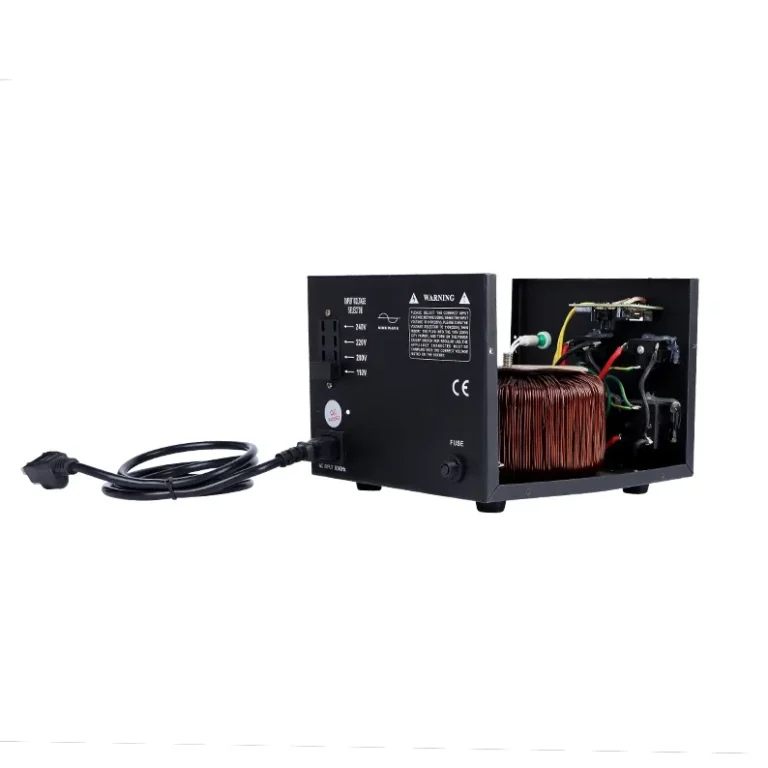
South Africa standardized on 230V, 50Hz, and the sockets are the Type M three-round-pin design. That means two separate problems for a 110V appliance: the voltage is more than double what it wants, and the plug does not fit. A step down transformer fixes the voltage, and the output socket on the transformer fixes the plug – you plug the 110V appliance into the transformer, and the transformer into the wall.
The 50Hz frequency is worth a note. Most modern appliances accept both 50 and 60Hz, but anything with a motor that depends on frequency for speed – some fans, turntables, clocks – will run slightly slower or faster. Our transformers are rated for both 50 and 60Hz, so the transformer itself is never the problem; just be aware of the motor caveat with the appliance itself.
What really needs a transformer
| Appliance | Typical watts | Needs transformer? |
|---|---|---|
| US blender / juicer | 500-1,500W | Yes – 2000-3000VA |
| US power tools | 500-2,000W | Yes – 2000-3000VA |
| US kitchen mixer | 250-500W | Yes – 1000VA |
| US TV / home theater | 150-400W | Yes – 1000VA |
| Phone / laptop chargers | varies | No – most are dual voltage |
| US hair dryer / iron | 1,000-2,000W | Yes – 2000-3000VA |
Before you buy anything, check the appliance label for “100-240V”. If it says that, it is dual voltage and plugs straight in with just an adapter – no transformer needed. Phones, laptops and most modern electronics are dual voltage. The things that need a transformer are the ones that say “120V” only: blenders, mixers, irons, power tools, and most American kitchen appliances.
Sizing for South African buyers
The sizing rule does not change because the country does: take the appliance watts, add 30% margin, and for motor loads – blenders, power tools, anything with a motor – double it. A 1,000W US blender wants a 2000-3000VA transformer, because the motor start-up surges. A 1,500W hair dryer is a resistive load and runs fine on a 2000VA unit.
If you are kitting out a household with several US appliances, one bigger transformer can serve them one at a time, but add the peak loads if they run together. A 5000VA unit covers a kitchen: blender, mixer and coffee machine, though not all at once.
Buying for resale or for yourself
South Africa has a healthy market for US appliances, and many of our customers are importers stocking converters alongside the goods. If you are reselling, the smart move is to bundle the right transformer with each appliance – the buyer needs it, and it is your margin. We private-label transformers for resellers across Africa, from MOQ 10 pcs, with the sockets and branding your market expects.
Common mistakes
- Buying a converter before checking for dual voltage. Many appliances need only an adapter.
- Under-sizing motor loads. Blenders and tools surge at start-up.
- Ignoring the plug type. Match the output socket to your appliance plug.
- Running several heavy appliances on one small transformer. Add the peaks.
- Buying a travel converter for daily use. Daily duty needs a real transformer.
Why buy from a factory directly
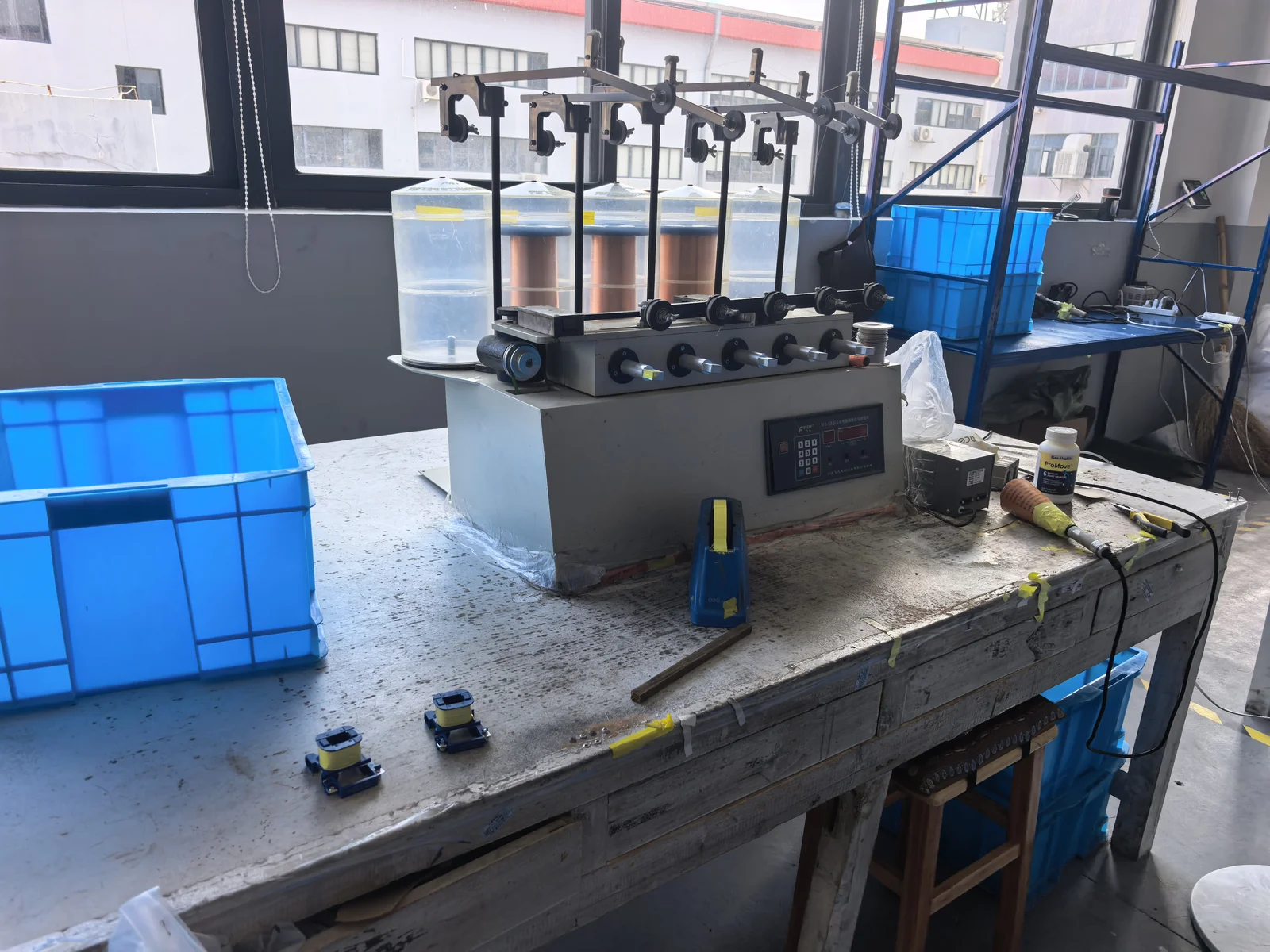
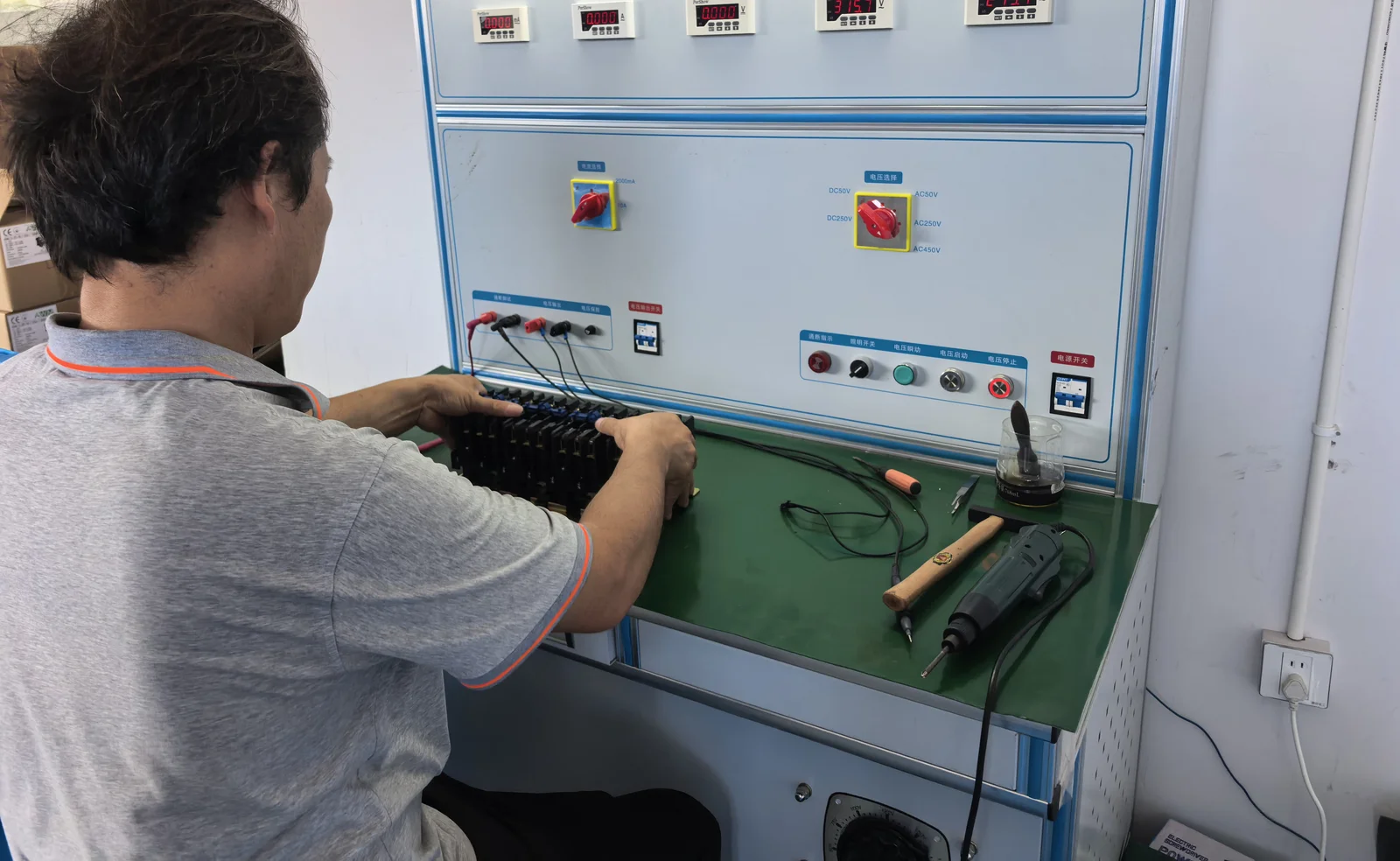
Wilmall supplies step down transformers to South Africa and across Africa. Copper winding, CE / RoHS documents, batch test records with every shipment, and sockets matched to your appliance plug. MOQ 10 pcs, 15-25 day lead time, FOB Ningbo or Shanghai. Send us your appliance list and we confirm the sizes within 24 hours.
Load shedding and voltage swings
South Africa has had its share of load shedding, and the grid voltage can swing more than in many markets. For a transformer user, the practical point is that the transformer should be rated for the full supply range and the appliances protected on the output. RCD protection matters in a market with an unstable supply – a transformer with RCD trips cleanly instead of letting a fault ride through a sagging grid.
There is also the restart issue: after load shedding, everything comes back at once, and the inrush from every appliance in the house hits the transformer at the same moment. Size with the restart in mind – the same 30% margin that covers normal surges covers the messy restart, and a transformer with margin rides it out.
Power tools and workshop gear
US power tools are a big import category in South Africa – saws, grinders, drills and compressors built for 120V. These are motor loads with brutal start-up currents, and they want the 2x sizing rule, not the 30% one. A 1,200W US circular saw wants a 3000VA transformer, because the saw start-up is a hard spike. Workshop gear also runs for long sessions, so continuous-duty rating is part of the requirement.
For a workshop running several tools, the honest answer is a transformer per workbench or one large unit with a switchboard, sized on the worst-case tool, not the average. Tools rarely run together, but when they do, the transformer should not be the thing that decides. Size on the peak and the workshop never trips.
Buying for resellers and importers
There is a strong market in South Africa for US appliances and the transformers that make them usable, and the importers who do it well bundle the two. We supply private-labelled step down transformers for the South African market, from MOQ 10 pcs, with your branding, packaging and the socket configuration your customers need.
The practical range for the market is 1000VA to 5000VA – that covers kitchen appliances, power tools and home theater, which is where the US appliance trade lives. Send us the appliance lines you carry and we will map the transformer range to them, so every unit you sell has the right box to go with it.
The short version for buyers
South Africa is 230V, 50Hz. Check for dual voltage first, size motor loads at 2x, fit RCD for the grid, and bundle the right transformer with every US appliance you sell. We confirm the size from your appliance list in one message.
Reading the appliance label
The single most useful habit for a South Africa buyer is checking the label before ordering anything: look for “100-240V” for dual voltage, or a single voltage like “120V” that means the appliance needs a transformer. The label also lists the watts or amps, which is exactly what we need to size the transformer. Photograph the label and send it to us – we will confirm the size before you buy.
And one more South Africa tip: confirm the exact plug standard your appliances use before ordering. Most US appliances take the flat US plug, which our US – socket output matches directly. If your appliance has a different plug, we fit the output socket to it, so the bundle arrives ready to use – no adapters, no guesswork.
Frequently asked questions
Related reading
- 110V vs 220V: Voltage Standards Across Africa
- Step Down Transformer Manufacturer
- Step Up and Step Down Transformer Range
Get a factory-direct quote
Email sales@wilmall.com or WhatsApp +86 197 3022 6757 with your appliance list and quantity. We confirm the sizes within 24 hours. MOQ 10 pcs.