JBK vs BK Control Transformer: What’s the Difference?
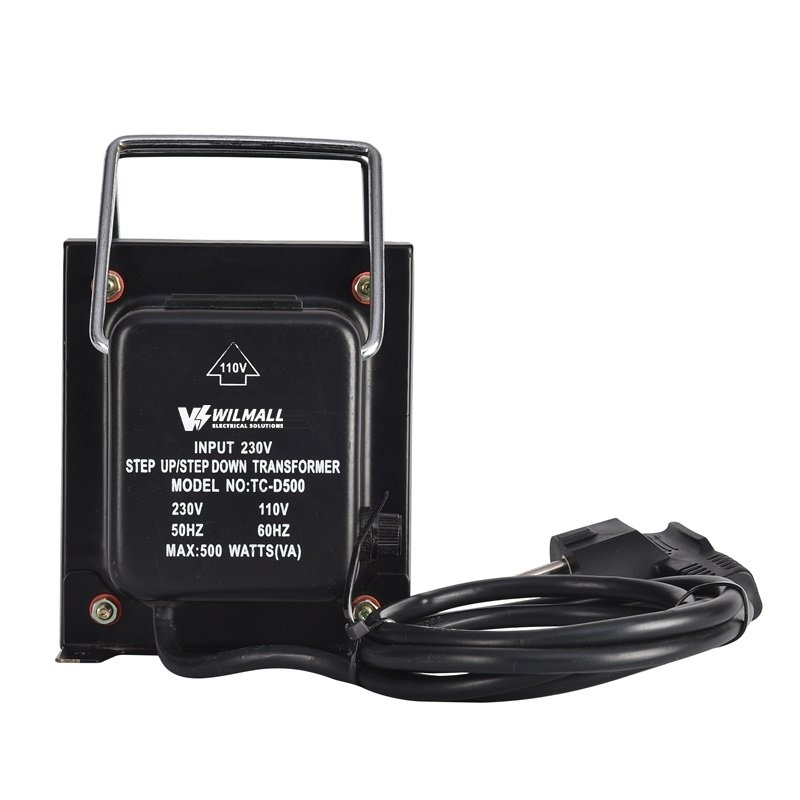
Open a control cabinet almost anywhere and you will find one of two model numbers on the transformer: BK or JBK. They look similar, both step the line voltage down to 24V, 36V or 110V for PLCs, relays and lamps, and both are built to the same basic idea. But they are not the same unit, and the difference matters when you are buying a replacement, stocking spares or designing a new panel. Here is the honest breakdown of BK versus JBK control transformers, and how we build both.
What a BK transformer is
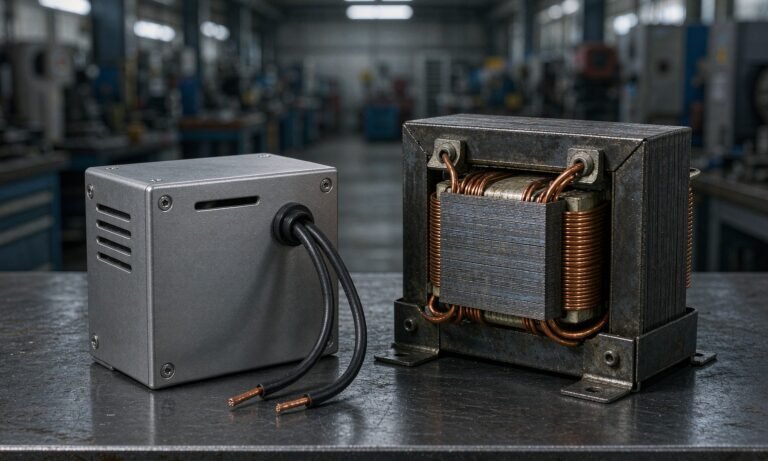
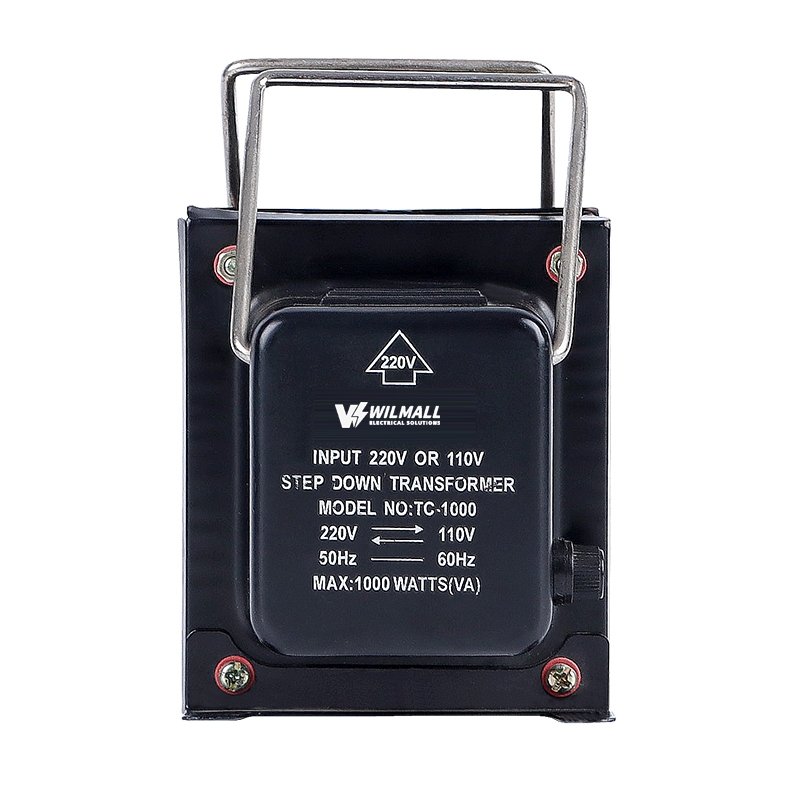
BK is the older, simpler design. It is a single-phase control transformer with the primary and secondary windings brought out to a small terminal block or flying leads. BK units are cheap, compact and fine for simple circuits – a lamp circuit, a small relay, a basic interlock. The windings are usually exposed or in a light metal shell, and the terminals are simple screw connections.
The weakness of the older BK style is practical: because the terminals are small and the shell is light, it runs hotter in a crowded cabinet, and the connections are more fiddly to wire. For a simple job it is fine. For a machine that runs three shifts, you start to notice the difference.
What a JBK transformer is
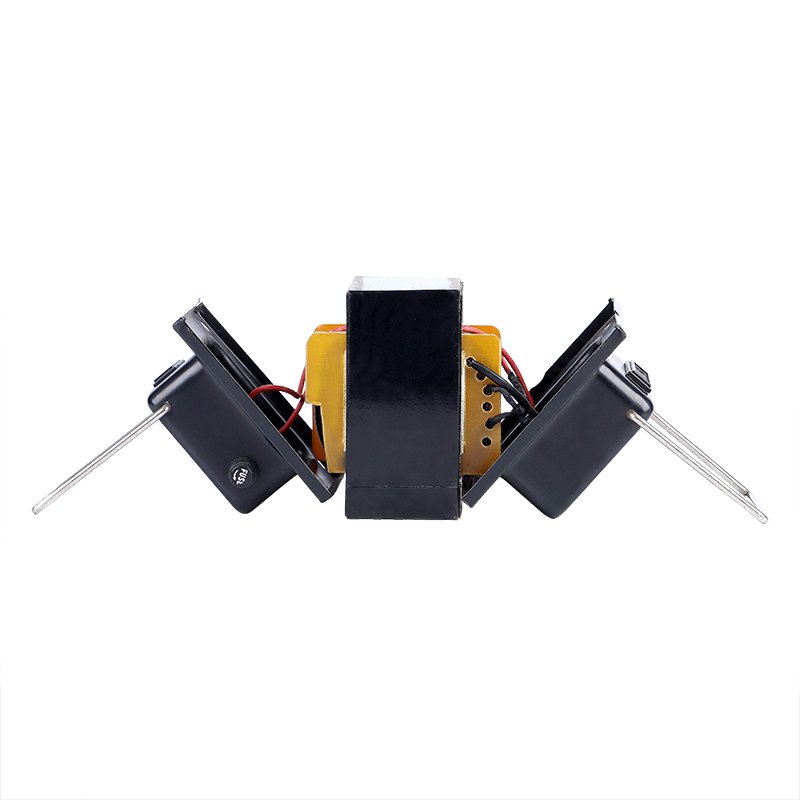
JBK is the improved machine-tool style. It was developed for exactly the conditions a BK unit struggles with: vibration, heat and repeated wiring. The JBK has a stronger terminal rail with bigger, better-marked terminals, a sturdier housing with ventilation, and the core and coil are built to handle continuous control loads without the temperature climbing. That is why you see JBK transformers in CNC machines, injection moulding lines and automated production equipment – panels that get opened, wired and run hard.
Key differences at a glance
| Feature | BK transformer | JBK transformer |
|---|---|---|
| Construction | Basic single-phase | Machine-tool reinforced |
| Terminals | Small, simple | Bigger rail, clearly marked |
| Housing | Light shell | Ventilated, sturdier |
| Heat under load | Runs hotter | Stays cooler in cabinet |
| Best for | Simple circuits | Continuous machine loads |
| Typical range | 25VA – 3KVA | 25VA – 10KVA |
The practical rule: for a lamp or a single relay, BK is enough and costs less. For anything that runs continuously – a PLC supply, a bank of contactors, a CNC cabinet – take the JBK. The price difference is small, and the JBK will still be in service years after a BK unit in the same cabinet has been replaced.
Which one for your panel?
Ask yourself three questions. Does the transformer run continuously or just during an event? Is the cabinet hot and crowded? Is the machine critical – the kind where a failure stops a line? If any answer is yes, buy the JBK. If you are building a simple standalone control box for a gate or a small pump, the BK keeps the cost down and does the job.
We build both at our factory in Yueqing, so this is not a sales pitch for one over the other – it is about matching the unit to the duty. Tell us what the transformer feeds and how often, and we will recommend honestly. Most buyers who ask us for BK units for real machine duty get steered to JBK, and most of them come back to thank us later.
Sizing a control transformer
Whatever the style, the sizing rule is the same: add the VA of everything the transformer feeds – PLC modules, relays, contactors, solenoid valves, lamps – then add 20-30% margin for inrush and expansion. Contactors and solenoids are the big hitters; a contactor coil can draw 5-10 times its holding VA for the first few cycles. When the numbers feel tight, size up. A 100VA unit costs a little more, but a panel that trips on start-up costs a lot more in downtime.
Why buy from a factory directly
Wilmall manufactures BK and JBK control transformers from 25VA to 10KVA, with B, F or H class insulation and OEM branding. Copper windings, varnish-impregnated and baked, batch load-tested before shipping. MOQ 10 pcs, 15-25 day lead time, FOB Ningbo or Shanghai. Send us your load list and we confirm the model within 24 hours.
Inside the JBK: core, windings and varnish
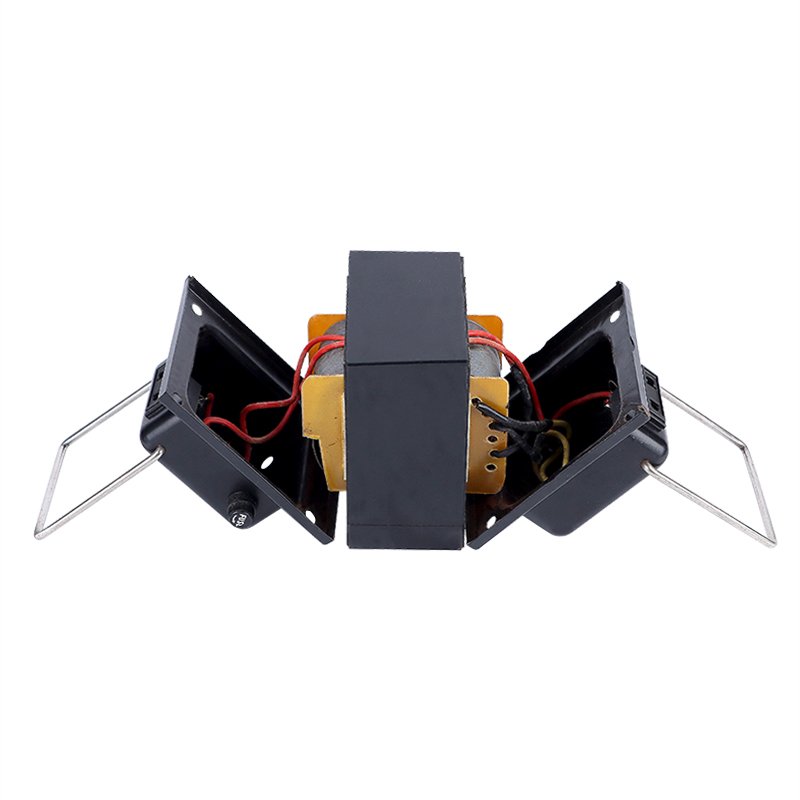
What makes a JBK last in a machine tool is not just the bigger terminals – it is how it is built. The core is cold-rolled silicon steel, the windings are copper, and the whole assembly is varnish-impregnated and baked. That varnish is the quiet hero: it locks the windings against vibration, seals them against humidity, and lets the unit shed heat instead of trapping it.
A BK unit, by comparison, is often a simpler build – lighter shell, less varnish, fewer layers of protection. That is fine for its intended duty, but it is the difference between a transformer that is still in service after a decade in a vibrating cabinet and one that has been replaced twice. When customers ask us why their machine-tool JBKs outlast the originals, the answer is in the build, not the label.
Common applications for each
You will find BK transformers in simple control boxes: a gate motor controller, a small pump panel, a single relay circuit, indicator lamps. The load is light, the duty is short, and the cost saving matters. JBK transformers belong where the panel is the heart of a machine – CNC lathes, milling machines, injection moulding presses, packaging lines, conveyor controls, HVAC panels.
The pattern is consistent across industries: if the machine stops when the transformer fails, it is a JBK application. If the panel is a small convenience circuit, BK is enough. When in doubt, spend the little extra on JBK – the cost difference is small, and the cost of a stopped production line is not.
Buying JBK and BK for OEM
If you build machines or panels, the transformer is a component you buy by the batch, and consistency matters more than price. We supply JBK and BK transformers to OEMs with B, F or H insulation class, custom voltage combinations, terminal layouts matched to your wiring, and your brand on the label, from MOQ 10 pcs per model.
The batch test records we keep for every production run are there for you too – if a transformer comes back from the field, we can pull the test data for its batch and see whether it was a unit problem or an application problem. That traceability is something a trading company cannot give you.
The short version for buyers
BK for simple circuits, JBK for real machine duty, and the sizing rule is the same: add the load VA, add 20-30% for inrush, size up when it feels tight. We build both from 25VA to 10KVA, and we will tell you honestly which one your panel needs.
Reading the model number
The model number on a control transformer tells you its rating if you know the code. A typical JBK marking shows the VA rating and the voltage combination – for example a unit marked for 220V primary and 24V secondary with a given VA. BK units follow a similar pattern. When you order a replacement, match the VA, the primary voltage, the secondary voltage and the mounting, and you can swap it without rewiring the panel. When in doubt, photograph the nameplate and send it over.
A final note on safety: control transformers sit inside panels that people open and work on, so the terminals should be properly guarded and the wiring ferruled. When you buy from us, we can supply terminal covers and clearly marked connection diagrams with the unit, so the electrician on site wires it right the first time. Small details, but they are what keeps a panel safe to work on for years.
Frequently asked questions
What is the difference between a BK and a JBK transformer?
BK is the basic single-phase control transformer for simple circuits. JBK is the reinforced machine-tool style with bigger terminals, better ventilation and higher continuous-load capacity, built for PLC cabinets and CNC machines.
Can I replace a BK transformer with a JBK unit?
Yes, if the VA rating and the voltage combination match. JBK is physically a little larger and has a different terminal rail, so check the mounting holes and enclosure space first.
How do I size a JBK control transformer?
Add the VA of every device it feeds – PLC, relays, contactors, lamps – then add 20-30% margin. Contactors and solenoids spike at 5-10x their holding VA on start.
What secondary voltages do JBK transformers provide?
The common control voltages are 24V, 36V and 110V, and we also build 12V, 48V and custom combinations. Tell us your primary and secondary and we wind to match.
Can I order JBK transformers with my brand?
Yes, OEM branding from MOQ 10 pcs per model, with B/F/H insulation class and custom terminals on request.
Related reading
- 24V Control Transformer for Industrial Use
- Control Transformer Sizing: How to Calculate VA
- Control Transformer Range
Get a factory-direct quote
Email sales@wilmall.com or WhatsApp +86 197 3022 6757 with your load list and enclosure space. We confirm the model within 24 hours. MOQ 10 pcs.