Step Down Transformer for Nigeria | 220V to 110V | Wilmall
Nigeria’s nominal voltage is 220V, but many US and Japanese appliances run on 110V. Importers and distributors across Lagos, Abuja and Port Harcourt supply step-down transformers year-round. Wilmall builds them factory direct in China.
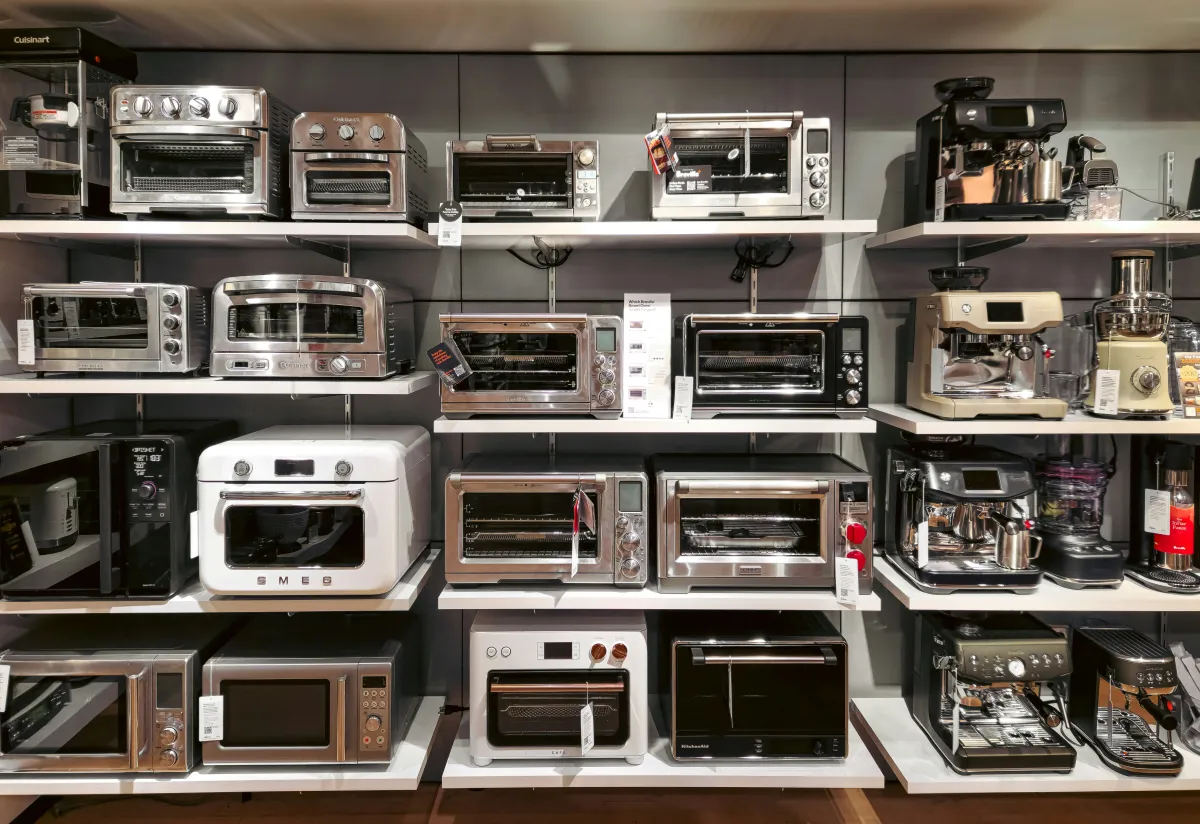
Nigeria voltage reality
Nigeria uses 220V / 50Hz in theory, but the practical grid is unstable — voltage can swing low or high during the day. A step-down transformer with a healthy margin handles these swings better than an electronic converter, which can trip or shut down when the input drops below its operating window.
Generator output is not always a clean 220V either. Many Nigerian homes and businesses run on generators, and generator output varies with load. A transformer with proper capacity margin is safer than a tightly-rated unit, because it absorbs the swings without overheating.
What Nigerian buyers purchase
| Product | Common sizes | Typical users |
|---|---|---|
| 220V to 110V step-down | 1000VA / 2000VA / 3000VA | Homes, shops, offices |
| Step-up 110V to 220V | 500VA – 2000VA | Equipment from 110V countries |
| Stabiliser-style units | 2000VA – 5000VA | Offices, pharmacies, clinics |
| Control transformers | 150VA – 500VA | Panel builders, workshops |
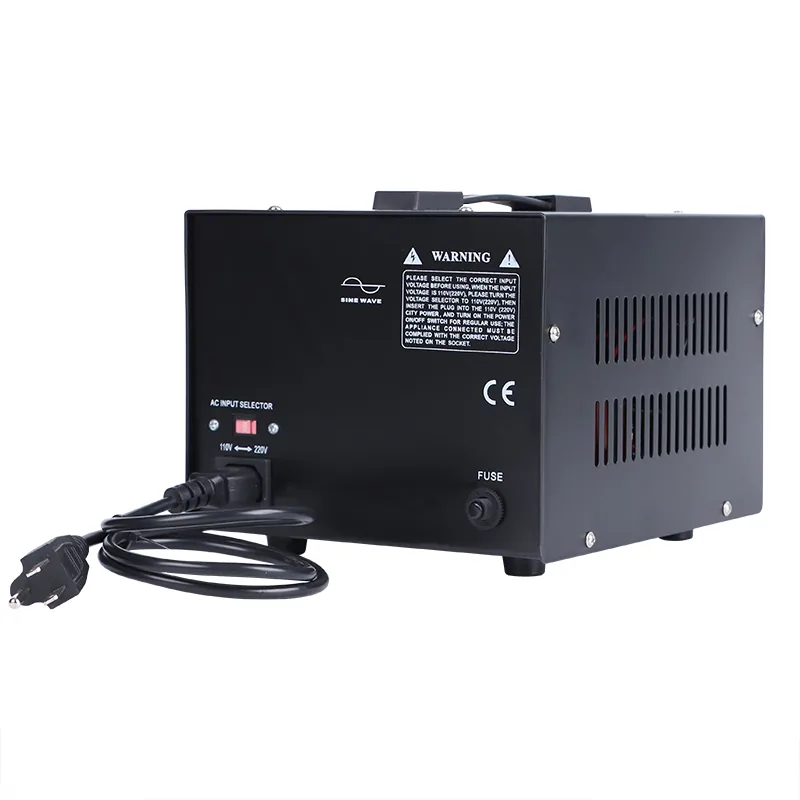
Sizing for Nigerian conditions
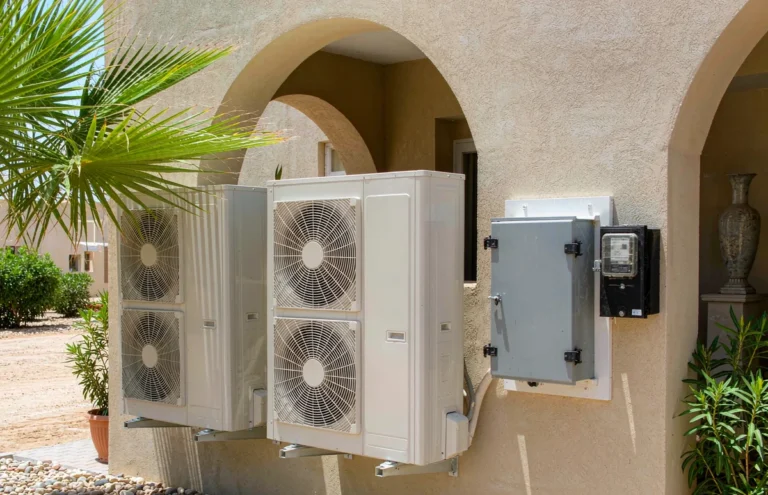
Because the grid and generator output swing, size at least 25-30% above the appliance load. A refrigerator that draws 300-800W needs a 2000VA unit so the start-up surge never overloads it. Air conditioners are the biggest demand in the commercial market — a 1.5HP unit may draw 1500-2000W running, so a 3000VA or 5000VA transformer is the realistic recommendation.
Generator compatibility in Nigeria
Most Nigerian businesses and many homes run on generators for part of the day. Generator output varies with engine speed and load — a heavily loaded generator can dip to 190V, while a lightly loaded one may push above 240V. A transformer handles this range without complaint as long as it has margin; electronic converters, by contrast, often have a narrow input window and will shut down or trip repeatedly on a noisy generator supply.
For distributors, this is a strong selling point: advertise the transformer’s tolerance of generator power and its lack of moving parts. Customers who have been through failed electronic converters understand the difference immediately.
After-sales and replacement market
There is also a steady replacement market in Nigeria. Old transformers fail from years of overload in hot, dusty conditions, and the replacement demand is predictable. Stocking the common sizes — 1000VA, 2000VA and 3000VA — with a consistent colour scheme lets your brand become the recognised replacement choice in shops across Lagos and Port Harcourt.
Choosing between transformer and electronic converter
Both product types exist in the Nigerian market, and each has its place. Electronic converters are light and cheap for small resistive loads, but many cannot start motor loads and some shut down when input voltage swings. Copper-and-steel transformers handle continuous loads, motor start-up surges and generator swings — the three conditions that dominate Nigerian use. For distributors, offering both covers the budget market, but the transformer range is where the reliable repeat business sits.
Quality matters when you import transformers into a market with unstable power. A transformer wound with proper copper, tested at rated load and built with a real safety margin will survive the grid; a cheaply wound unit with undersized wire will overheat and fail within months, hurting your brand. Our units are wound in-house, tested per batch and documented, so your brand is protected.
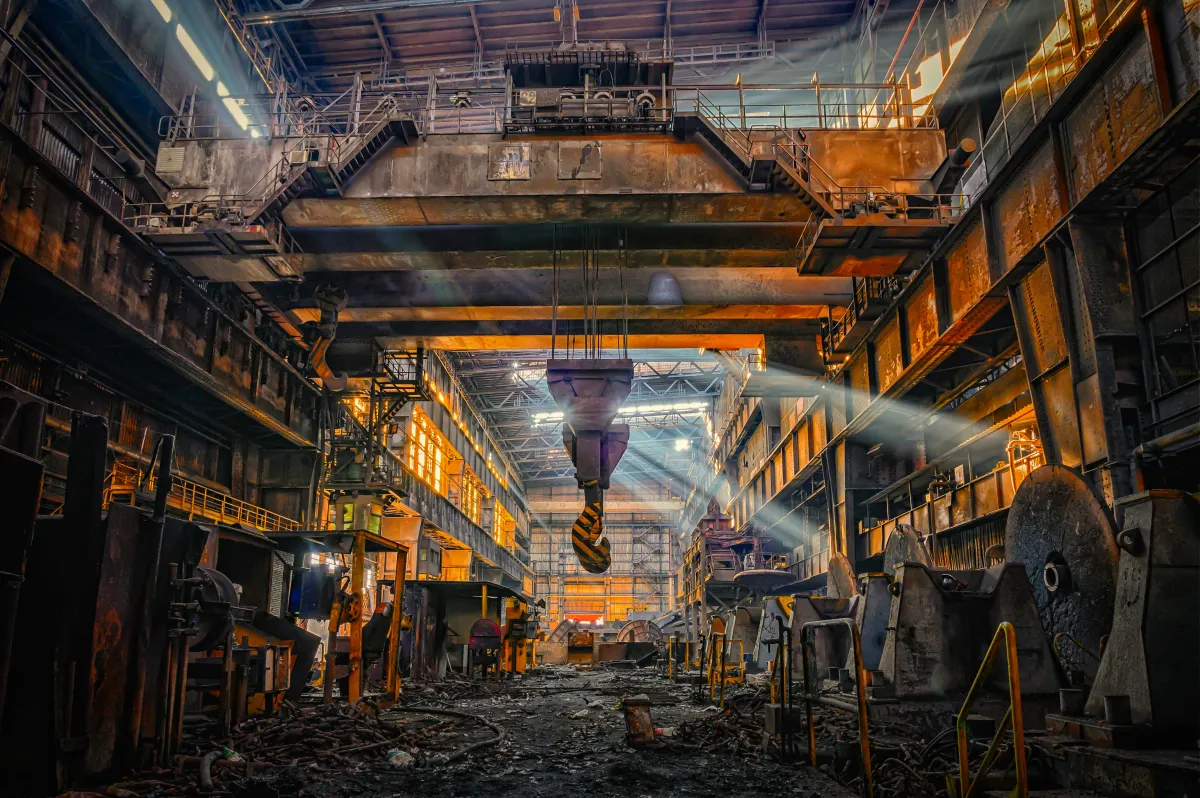
The Wilmall factory advantage
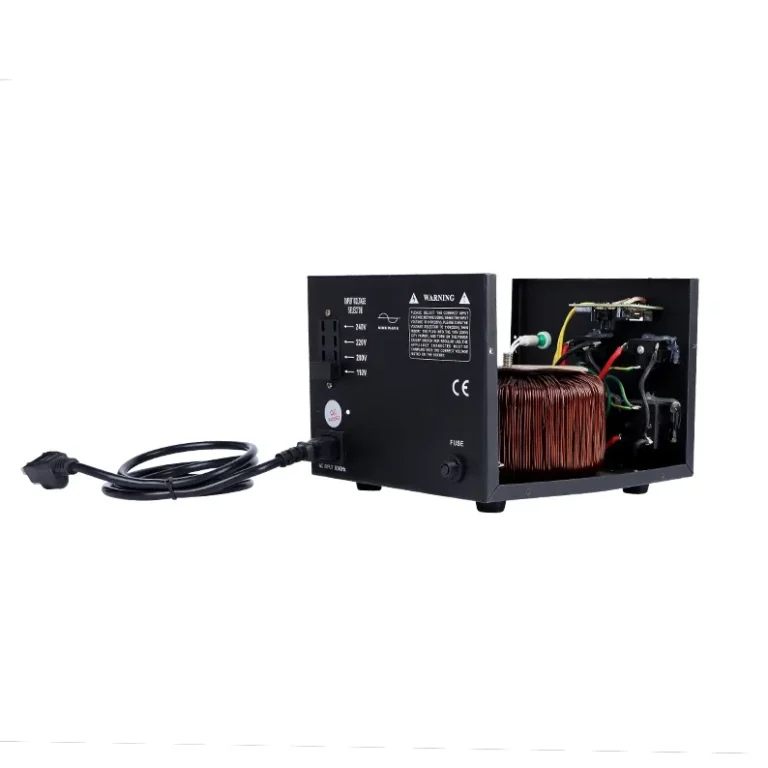
Wilmall is a transformer factory in Yueqing, China — the low-voltage electrical hub of the country. We control winding, assembly and testing ourselves, which lets us build the exact models the Nigerian market needs: 220V to 110V step-down units in 1000VA, 2000VA and 3000VA, with RCD protection on request, private labelling and export-grade cartons. MOQ 10 pcs per model, 15-25 day lead time.
We understand the Nigerian distribution model: importers want a small number of SKUs that cover most customer needs, with documentation that clears customs smoothly and packaging that survives the journey. Our standard Nigerian range is deliberately simple — three step-down sizes plus a step-up option — so your stock plan stays clean and your capital stays productive.
How to sell transformers profitably in Nigeria
- Bundle with an explanation. Most buyers know they need “a converter” but not which size. A simple wattage chart on the box helps them self-select and reduces returns.
- Promote the generator advantage. Transformer tolerance of generator power is your strongest differentiator against electronic converters.
- Carry a warranty line. A clear 12-month warranty backed by local replacement stock builds confidence and repeat purchases.
- Stock the replacement sizes. 2000VA is the highest-volume size for Nigerian households; keep it in stock even when other models are back-ordered.
Importing from China to Nigeria
We ship FOB Ningbo or Shanghai with commercial invoice, packing list, CE / RoHS certificates and batch test reports. For Nigeria, confirm the current import tariff and SONCAP requirements with your customs agent before ordering — requirements change and a prepared importer clears faster. Many of our Nigerian partners order in 20ft container quantities of mixed models.
Frequently asked questions
NEPA and Generator Power: The Nigerian Reality
No discussion of transformers in Nigeria is complete without talking about the power supply. The grid is unreliable, and most homes and shops run on generators for part of the day. Generator power is not the same as clean grid power: small generators can put out voltage that swings as the engine loads, and the waveform may be less clean. A transformer is a magnetic device, so it tolerates moderate fluctuation better than an electronic converter, but it still needs the generator to stay within a reasonable range. If your generator output is unstable, add a stabilizer or AVR between the generator and the transformer, or choose a transformer with a wider input tolerance. Our STU series with auto-selecting input handles 110V and 220V automatically. For buyers who run fridges and freezers through transformers, the generator compatibility question is the first one to solve, because a generator that swings wildly will stress any transformer.
The After-Sales Reality: Why Replacement-First Matters in Nigeria
In Nigeria, the after-sales arrangement matters more than almost anywhere else, because shipping a failed unit back to China is rarely practical. Some suppliers offer a warranty that requires exactly that, which makes the warranty nearly worthless for a $30 transformer. Our policy is replacement-first: if a unit fails within the 12-month warranty, we ship a replacement with the next container to Lagos or Apapa and sort out the details afterwards. This matters for resellers too, because a warranty you can actually deliver on is a selling point, and a customer with a failed unit who gets a quick replacement becomes a repeat customer. Every order includes the batch test certificate, so your customers can see the units were tested before packing. If you are comparing suppliers for the Nigerian market, ask specifically how a warranty claim is handled from Nigeria, because the answer tells you more than the price.
Importing from China to Nigeria: Documentation and Timing
Importing transformers into Nigeria requires the standard export documents, and getting them right avoids port delays. The commercial invoice, packing list, and bill of lading are essential, and your customs broker may also need a certificate of origin and the test certificate. Nigerian ports can be congested, and an incomplete or mismatched document set can add days or weeks of demurrage charges. We provide the commercial invoice, packing list, and batch test certificate with every order, and we can arrange the certificate of origin. Sea freight from Ningbo or Shanghai to Lagos or Apapa typically takes 30 to 45 days, so plan about 45 to 70 days from order to delivery. We have shipped to Nigerian buyers for years, so we know the common documentation questions. If your forwarder needs a specific paper, tell us at the quotation stage and we will plan it in.
Sizing for the Nigerian Market: What Actually Sells
For the Nigerian market, the volume sellers are the 1000VA and 2000VA step-down transformers, because they cover the typical household mix of a TV, decoder, sound system, and maybe a fridge. The 3000VA units sell to homes with freezers and to small shops, and the 5000VA units go to workshops and businesses running multiple appliances. For resellers, a first container mixing 1000VA, 2000VA, and 3000VA covers most demand, and the STU auto-selecting units are the premium option for buyers who move equipment or run generators with variable output. The MOQ is 10 pieces, so a first order can test the market cheaply. We keep the popular sizes in production rotation, which shortens repeat order lead times. If you are starting a transformer business in Nigeria, tell us your target channels and we will recommend the stock mix that sells.
Sizing for Nigerian Shops and Small Businesses
Shops and small businesses in Nigeria often need more than a household transformer, because they run multiple appliances at once. A small shop with a display fridge, a freezer, lighting, and a phone-charging station can easily draw 1500W to 2500W combined, and the compressor surges push the requirement higher. The practical sizing for a small shop is 3000VA to 5000VA, depending on the appliance mix. A restaurant or a barber shop with several appliances needs to add up the simultaneous load carefully, because starting the fridge and the freezer at the same time after a power cut is the moment the transformer gets tested. We supply the full range up to 10KVA, and for shops we often recommend the STU series because it handles the voltage fluctuations common with generator power. If you run a shop or business in Nigeria, send us your appliance list and we will size the transformer to keep your equipment running through the busiest hours.
What voltage is used in Nigeria?
Nigeria nominally uses 220V / 50Hz, but the grid and generator output can swing. A step-down transformer with margin handles the swings safely.
What size transformer do I need for a refrigerator in Nigeria?
A refrigerator draws 300-800W with a start-up surge of about three times, so a 2000VA step-down transformer is the safe recommendation.
Can a step down transformer run on a generator?
Yes. Transformers tolerate generator output swings better than electronic converters, provided the transformer has capacity margin.
What paperwork do I need to import transformers into Nigeria?
You need a commercial invoice, packing list, CE / RoHS certificates and batch test reports. Confirm SONCAP requirements with your customs agent.
What is the MOQ for Nigeria orders?
MOQ is 10 pcs per model. We ship FOB Ningbo or Shanghai with full export documentation.
Related reading
- 220V to 110V Transformer for Nigeria
- Step Down Transformer for Nigeria | 220V to 110V
- How to Import Transformers from China
Get a factory-direct quote
Email sales@wilmall.com or WhatsApp +86 197 3022 6757 with your target market and appliance list.