Voltage Converter for Zambia: 230V to 110V Guide
Zambia runs on 230V at 50Hz, supplied by ZESCO, and if you have spent any time in Lusaka or on the Copperbelt you already know the second half of that sentence: the supply does not always show up when you want it. Load shedding is normal here, daytime outages are part of the week, and the voltage at the end of a long line can drop well below nominal by the time it reaches your machine. So when a buyer in Kitwe or Ndola asks me for a converter for their 110V American equipment, the question is not just step 230V down to 110V, it is doing that cleanly through a supply that wanders and disappears.
I build these units in Yueqing and Zambia enquiries are a steady part of the Africa week, usually from a mine supplier, a hardware importer, or a workshop owner who bought a US machine and now needs it alive. Let me answer the Zambia-specific points the way I would on a call, no brochure voice.
The Zambia Supply You Are Actually Dealing With
The short answer is that the number on the wall, 230V, is a rough promise rather than a fixed value. ZESCO feeds the country at 50Hz, and the sockets you will meet are Type C, Type D and Type G, with the British Type G the common one in offices and newer buildings. A 110V appliance from the US or Japan needs a converter, and it needs one that does not fall over when the incoming voltage sags during an outage window or drops at the end of a long rural feeder.
Load shedding is the part that changes the design. When ZESCO cuts a block for a few hours, your converter goes dark with it unless something upstream, an inverter or a generator, keeps feeding it. So the converter has to play nicely with those, not fight them. A unit that trips the moment a generator wanders is useless on a Copperbelt site where the generator is the real supply most afternoons.
One point I want straight, because it saves a wrong order. A converter changes voltage and nothing else. It does not make a 230V supply safe to touch, and it does not store energy. On our units the RCD is built in so a fault on the 110V side trips locally, and the wide input tolerance means a sag toward 200V or a rise toward 250V keeps the 110V output where your machine expects it.
What Zambia Buyers Usually Run on 110V
When a Zambia buyer sends me the list I split it the way I always do. Here is what normally needs a converter, with the ranges I see on real quotes.
- US workshop tools and bench grinders, 400W to 1500W, with a motor start on every switch on.
- Refrigeration and cold room plant, 800W to 3000W, the heavy, surge-loaded side.
- Medical and lab equipment, 100W to 800W, where a clean steady output keeps the reading honest.
- Office and comms gear, 50W to 300W, small but sensitive to a dip that resets it.
- Pumps and small motors, 300W to 1200W, often on through the day.
- Lighting and chargers, 100W to 600W, the everyday background draw.
What does not need us: most three-phase mine plant, which takes the supply directly, and any appliance already rated 100-240V. Go through the nameplates before you build the load sheet, because counting a three-phase motor as a 110V load pushes you into a unit far bigger than the job needs.
Sizing for a Supply That Drops and Disappears
Here is the method I use for Zambia. Take the running watts of what can run together, add 25 to 30 percent headroom, and then size for the start surge on the biggest motor, because a fridge compressor or a pump decides the frame, not the idle charger. On top of that, do not pick a unit whose input range is narrow, because a converter rated only for 220-240V will struggle when your feeder sits at 195V during the evening peak.
Low-voltage operation is the part people miss. A transformer is not a regulator, but a well-built one with a wide input tolerance keeps the 110V output usable further down the sag than a tight one does. Our STU series holds the output as the input falls, so your machine keeps running through a brownout instead of dropping out the moment ZESCO sags. That is the difference between a unit that earns its place and one that sits in the corner.
A Worked Example: A Kitwe Workshop
Say your workshop runs a US bench grinder at 900W, a small compressor at 700W, a fridge at 250W and lights at 300W. The worst case is grinder and compressor starting while the fridge runs: 900 + 700 + 250 + 300 = 2150W, with a brief surge on both motors. Add 30 percent and you are near 2800VA, so a 3000VA bidirectional unit covers the shop with room to spare and the starts do not drag the lights down.
For a Lusaka office with comms gear at 200W and a lab unit at 400W, the load is about 600W. With headroom that is a 1000VA unit, and the staff never think about it. Same country, same ZESCO, different sizing for different duty.
| Zambia use | Typical load | Suggested unit rating | Why this size |
|---|---|---|---|
| Workshop with grinder and compressor | 1800 – 2500 W | STU-3000 bidirectional | Two motors start together, wide input rides the sag |
| Cold room or fridge plant | 800 – 3000 W | STU-3000 or STU-5000 | Compressor locked-rotor start needs the headroom |
| Office and comms gear | 200 – 600 W | DT-1000VA bidirectional | Light load, some items already dual voltage |
| Pump and small motors | 500 – 1500 W | ST-2000 2000VA with RCD | Long runs, steady output keeps the pump going |
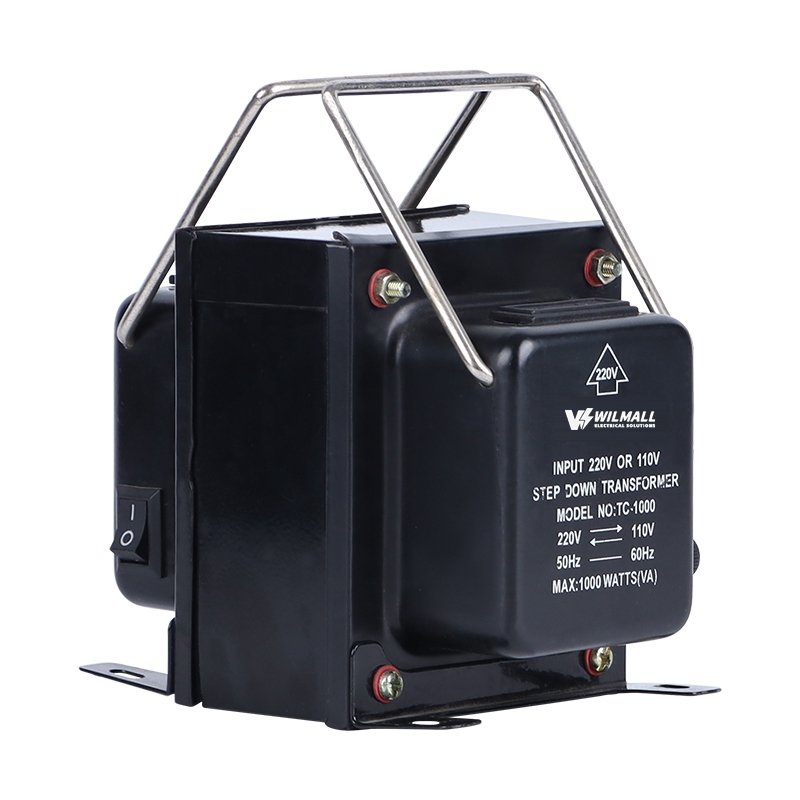
| Control circuit on mine plant | 50 – 300 W | TC-1000 control transformer | Isolated 110V control supply, built for the panel |
When the Brownout Pushes You up a Size
There are cases where I tell a Zambia buyer to go past the 30 percent rule. A site at the end of a long rural feeder where voltage sits low most evenings should size up, because the converter is working harder just to hold output. A workshop that runs mainly off a generator should size up too, because the generator wanders more on a hard start. And any Copperbelt operation planning to add a second machine later should buy the bigger frame now rather than a second unit down the line.
If you are not sure where your site sits, send us the equipment list with your local supply behaviour. We have sized enough Zambia loads to tell you in one message whether a 2000VA unit is enough or whether the sag puts you on the 3000VA.
Working With an Inverter or a Generator
Most Zambia sites I deal with run a battery inverter or a generator as the real supply through the load shedding window, so the converter has to sit downstream of it cleanly. Our units take the wander a generator gives without tripping on every motor start, and they take the cleaner output of a good inverter without complaint. The wide input tolerance is what makes that work, because the converter is not fussy about whether it sees 205V or 245V at its input.
For a mine supplier or a workshop that already has a 230V system, the TC series control transformer earns its place feeding 110V control circuits off the existing panel. It is built for the panel, isolated, and it gives the control side a clean supply even when the power side is rough. That is a different job from a step down converter, but it is the same reasoning: keep the 110V side steady through a supply that is not.
RCD, Earthing and a Supply That Drops Out
Make RCD your first question, not your last, on Zambia kit. On the ST-2000 and STU units the RCD is in the case, so a 110V fault trips locally instead of relying on a breaker elsewhere in the structure. In a workshop or a mine store with a damp floor, that local trip keeps a leak from reaching the rest of the site.
Checking the earth comes straight after the load. Your enclosure has to reach the building earth, and the 110V output belongs on proper sockets instead of a loose lead straight out of the box. If you are also supplying South Africa, our guide to a Voltage Converter for South Africa: 230V to 110V Guide covers the neighbour market, which shares the 230V 50Hz grid logic but has its own import path and plug habits.
The Units We Build for the Zambia Market
We build the units here, not trade them from someone else, so the rating is honest. The ST-2000 is a 2000VA step down converter, 230V in and 110V out, RCD fitted as standard, and it handles the light end: pumps, a small fridge and comms kit on their own feed.
For the heavier Zambia duty I reach for the STU range. The STU-3000 and STU-5000 are reversible, step up and step down, and they take the surge-loaded workshop and cold room side. Reversible pays off here, because a site that imports 110V and 220V machines both will want to switch direction eventually, and changing the box later is a nuisance no one allows for.
The TC series control transformer feeds the panel side of mine and industrial plant with an isolated 110V control supply. The Variac range covers the commissioning and test gap from 500VA to 3KVA, and a variable output is forgettable until you are setting up an imported machine and want to see it at 105V or 115V before you sign it off.
Order Size, Delivery Window and the Import Path
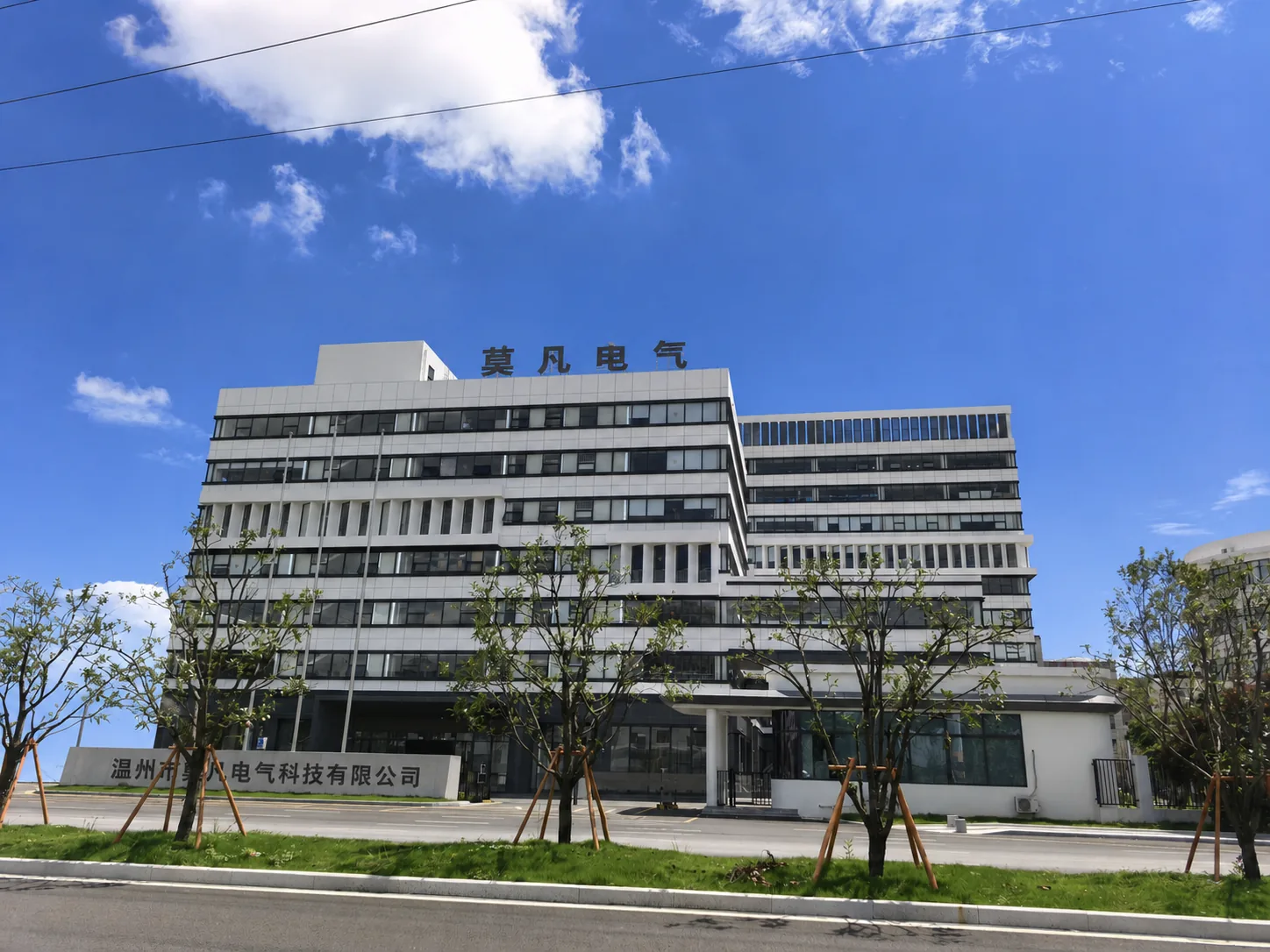
The commercial side leads, because Zambia buyers want the numbers before the narrative. Our minimum order is 10 pieces, whether you are kitting out one workshop or sampling before a distribution roll-out in Lusaka or Ndola. Lead time runs 15 to 25 days, and where you land in that window depends on quantity and on whether you need custom labelling or a Type G socket. Freight is FOB Ningbo or Shanghai, and each unit has a 12-month warranty. Inside the carton is the test record from the batch your unit was in, giving input voltage, output under load and no-load current, since we test the full build at our Yueqing plant.
The import path matters for Zambia specifically. Most cargo clears through Durban in South Africa and moves up by road, or through Beira in Mozambique, which is shorter to the Copperbelt. Tell us which port your forwarder uses and we will pack and mark the cartons for that route, and we can print your own brand on the faceplate so the units land ready to sell.
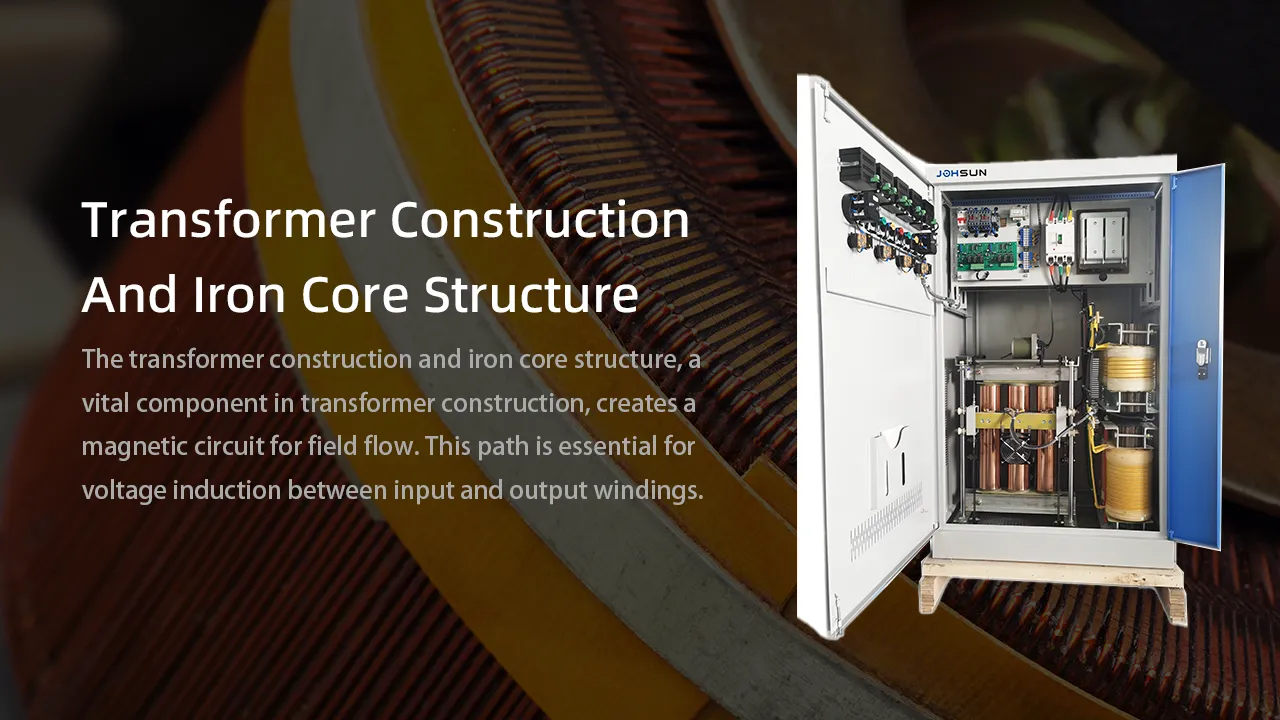
Here the coils are copper, never aluminium. Aluminium windings run warmer at the same size, and warmth in the insulation is what ends a transformer before its time. Through Zambian duty, where a unit is switched on through every load shedding window, that difference shows up inside a season, not a couple of years.
What to Send Us Before We Quote for Zambia
A finished specification is not needed before we talk. Send whatever you already have. The equipment list with the wattage from each nameplate, your local supply behaviour during load shedding, the socket type you use, how many separate 110V feeds you need, and your target port. Send me that and I can fix the unit size, quote how many and say when it leaves.
A pair of pages to read as you write that list up. If it is not clear yet whether you need step down, step up or a two-way unit, our page on step up & down transformers walks the difference without a formula in sight. There is a full set of voltage guides by country on the site as well, covering the neighbours and beyond.
If something on the list is not clear, send it with a photo of your plugs. Sizing a voltage converter for Zambia is routine work for us, and we would much rather spend ten minutes on WhatsApp than have you order the wrong unit for a machine you cannot afford to leave dark.
Zambia Voltage Converter Questions I Get Most Weeks
The questions below are the ones that land on my desk most weeks from Zambia buyers and their suppliers, answered the way I would on a call.
Will a converter work through ZESCO load shedding?
The converter itself goes dark with the supply, but ours ride the brownout before that. Our STU step down converter holds 110V output as ZESCO sags toward 200V, so your machine keeps running through the dip. To stay up through a full cut you put an inverter or generator upstream, and the converter takes that input without tripping.
What plug does Zambia use for 110V equipment?
Zambia wall supply is 230V 50Hz with Type C, D and G sockets, and Type G is the common one in offices and newer buildings. Your 110V US machine needs a converter first, then a proper 110V outlet, not a taped adapter. We fit the socket your equipment uses, usually a 110V Type G or a universal outlet on our ST-2000.
Can one converter run a fridge and a grinder together?
Yes if you size for both starting together. A 250W fridge and a 900W grinder with lights land near 1500W plus motor surge, so a 2000VA or 3000VA step down converter is the call. Our STU-3000 covers a small workshop with room to spare. Send the list and we confirm the exact rating for your site.
Do I need RCD protection on a Zambia converter?
Yes, ask for it first rather than last. On our ST-2000 and STU units the RCD is part of the build, so a fault on the 110V side trips the unit locally. In a workshop or mine store with a damp floor, that local trip keeps a leak from reaching the rest of the site, and it is not optional.
Which port should Zambia imports clear through?
Most cargo clears through Durban in South Africa by road, or Beira in Mozambique, which is shorter to the Copperbelt at Kitwe and Ndola. Tell us your forwarder route and we pack and mark the cartons for it, with your brand on the faceplate so the units land ready to sell across Lusaka and the Copperbelt.
Send us your equipment list and your local supply behaviour and we will size it at no charge. Tell us the wattage from each nameplate, how ZESCO behaves during load shedding, and which port your forwarder uses. You get a unit, a quantity and a delivered price back inside a working day, packed for Durban or Beira.
Or talk to us directly: WhatsApp +86 197 3022 6757 · Email sales@wilmall.com
MOQ 10 pcs · Lead time 15-25 days · FOB Ningbo or Shanghai · 12-month warranty