Step Down Transformer for Bolivia: 220V to 110V Guide
Bolivia runs on 220 to 230V at 50Hz, and the sockets in most buildings are Type A and Type C, with Type A far more common than you might expect for South America. That is the easy part of this guide. The part that catches people out is altitude. La Paz sits at roughly 3,600 metres, El Alto is higher still, and a good number of the mining operations we supply sit between 3,800 and 4,500 metres. At that height the air is thin, and thin air changes how a step down transformer for Bolivia behaves.
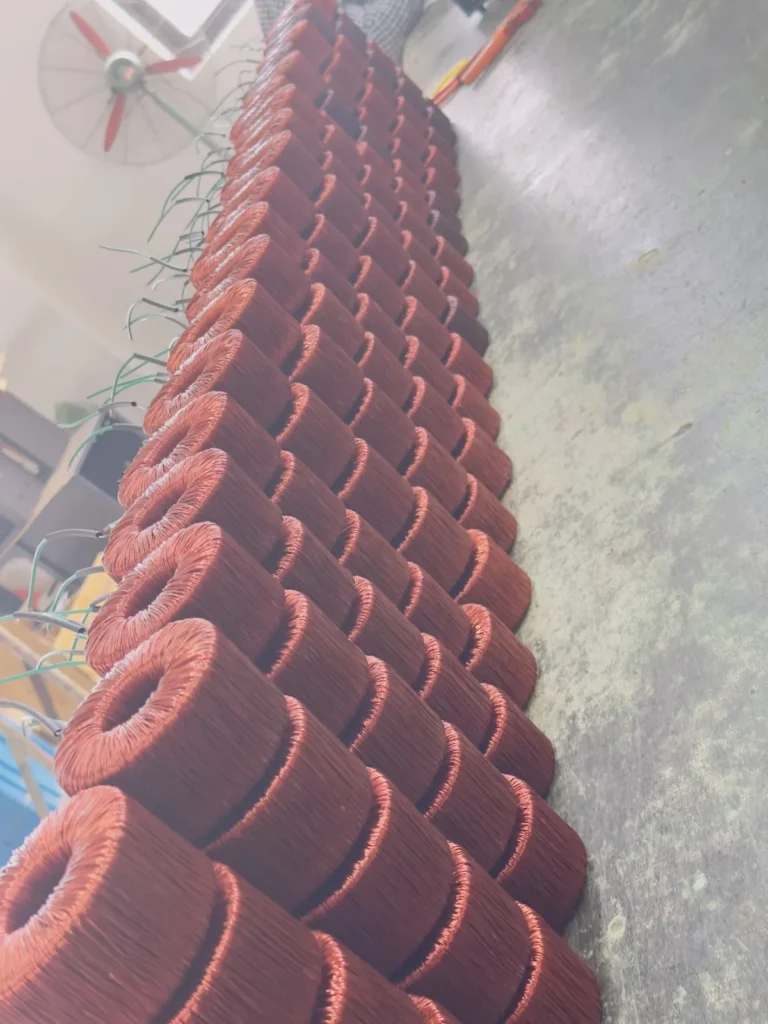
We build transformers in Yueqing, China, for buyers all over the world, and Bolivia is one of the markets where the technical conversation is genuinely different from everywhere else. Our units are copper wound and 100 percent tested in our own workshop before packing, with a batch test record in the carton. What follows is the advice I give Bolivian buyers on a call, in the order the questions usually arrive.
The Bolivian Supply, From the Altiplano to Santa Cruz
Nominal voltage is 220V, and you will see 230V in newer documentation and on more recent equipment. Both sit inside the band that most appliances accept, so the nominal figure is rarely the argument. The national interconnected system runs at 50Hz, which is worth confirming if your site has its own isolated generation, because nameplates on legacy equipment do not always match what is coming out of the socket today.
Sockets are Type A, the flat two-pin used all over North America, and Type C, the thin round two-pin Europlug. That mix is convenient in one way and misleading in another. Because Type A is the same shape as a 110V American plug, people assume the voltage matches too. It does not. A 110V appliance pushed into a Bolivian Type A socket gets 220V and usually dies immediately, sometimes with smoke. The plug fits. The voltage does not. That single misunderstanding is behind a fair share of the dead equipment we hear about.
Supply quality varies enormously by region. Santa Cruz, at around 400 metres, has a hot, humid climate and a grid that copes reasonably well. Cochabamba sits in the middle at about 2,500 metres. La Paz and the Altiplano are the difficult combination: high altitude, cold nights, and distribution networks stretched across thin population. Voltage here moves during the day, and evening peaks pull it down.
What Altitude Does to a Transformer
Here is the thing most buyers have never been told. A transformer generates heat in its windings and core, and it gets rid of that heat mostly by moving air across its surfaces. The amount of heat air can carry away depends on how dense it is. At 3,600 metres, air density is roughly two thirds of what it is at sea level. So the same unit, doing the same job, runs hotter in La Paz than it would in Santa Cruz or in our test room in Zhejiang.
The practical consequence is derating. On a long run at high altitude, a transformer has to be treated as though its rating were smaller than the label says. How much depends on the design, the enclosure, the ambient temperature and whether the load is continuous, so I will not give you a single magic percentage and pretend it applies everywhere. What I will say is that for sites above 2,000 metres we advise going one size up from the sizing you would choose at sea level, and for continuous heavy loads above 4,000 metres, one size up again and a properly ventilated installation.
The second altitude effect is on insulation. Thinner air breaks down at a lower voltage, which means clearances and creepage distances that are perfectly fine at sea level give you less margin up high. This is not something you solve by hoping. It is solved at the design stage, with adequate spacing in the winding, insulation that is rated for the environment, and varnish treatment that keeps moisture and dust out of the assembly. Ask a supplier what altitude their unit is designed for. If the answer is a shrug, that tells you something.
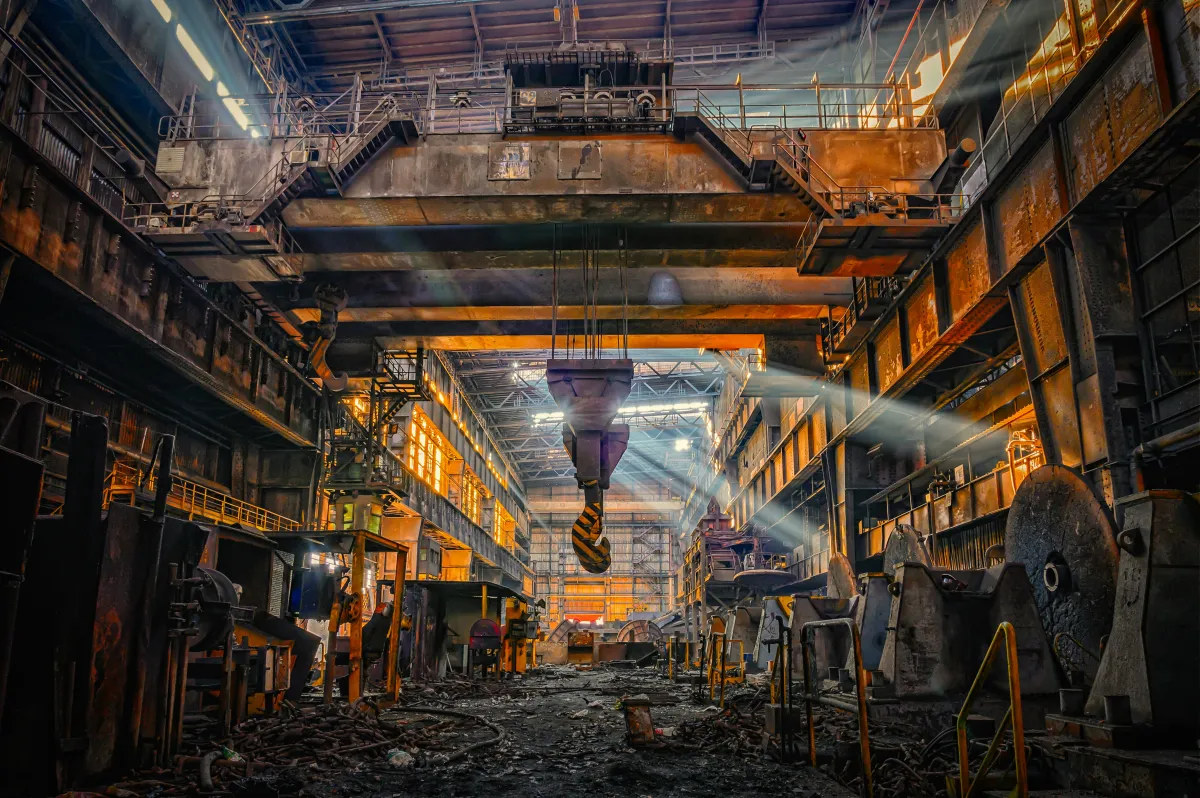
There is a third, more ordinary effect. High altitude sites often come with large day to night temperature swings, and Bolivian workshops and mine buildings are frequently dusty. Dust settles on surfaces that are meant to dissipate heat, and each layer costs you a few degrees. Give the unit space, keep it off the floor, and clean it out when you service the rest of the plant. That is free reliability.
Where the 110V Equipment Comes From
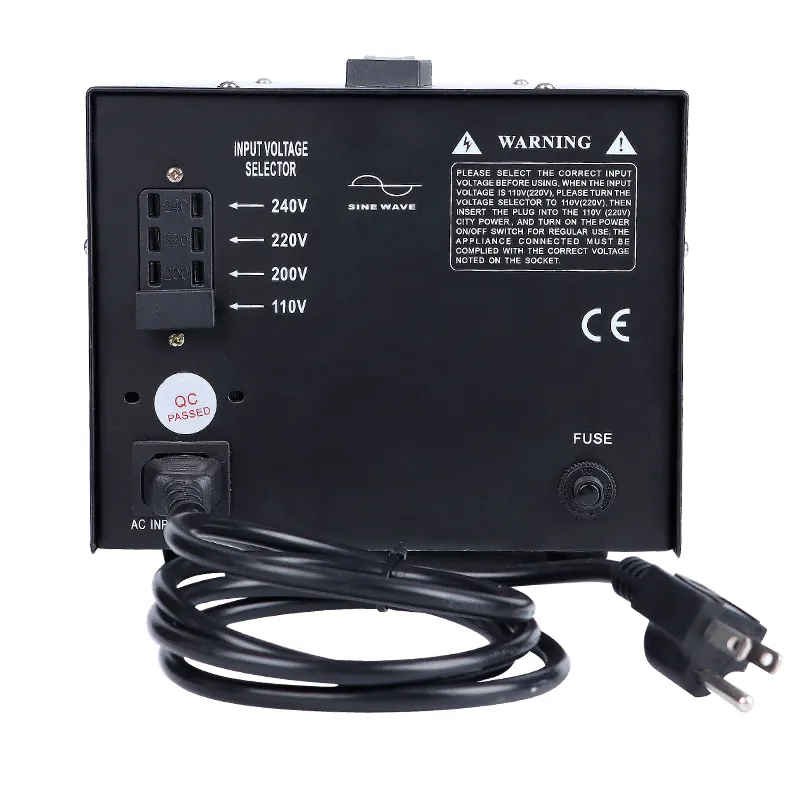
Bolivia imports a lot of North American equipment, and it arrives through channels that are easy to predict once you have seen a few orders.
- Mining and mineral processing. Hand tools, hoists, pumps, slurry and dewatering pumps, compressors, ventilation fans, welding sets, laboratory and assay equipment. This is the sector where altitude and continuous duty combine, and where the sizing conversation matters most.
- Workshops and service garages. Compressors, tyre changers, lifts, bench grinders, saws and diagnostic gear, most of it American pattern.
- Commercial kitchens and bakeries. Mixers, dough sheeters, slicers, meat grinders, freezers, and imported coffee equipment, often a full kitchen coming in one container.
- Hotels and hostels. Room air conditioners, mini-fridges, laundry machines and dryers, installed in stages as rooms are renovated.
- Clinics and laboratories. Sterilisers, centrifuges, analysers, suction units and examination lighting, where a dropout mid-procedure is not acceptable.
- Shops and offices. Display freezers, POS terminals, servers and network cabinets.
- Households. Kitchen appliances, grooming kit, and CPAP machines that run all night and make every voltage dip obvious.
Before you order, run the label check. A big share of modern electronics, from laptops and phone chargers to most LED drivers and a growing number of medical devices, are rated 100-240V, 50/60Hz. Those work straight off the Bolivian socket with the right plug, and no transformer at all. Split your list into dual voltage and 110V only first, and your order, your freight volume and your import duty all get smaller at the same time.
Sizing Table for Bolivian Sites
The method does not change. Add up everything that can run at once, add 25 to 30 percent headroom, then add the altitude allowance for your elevation and one more step if the load includes a compressor or a pump.
| Typical Bolivian site | Altitude band | 110V load peak | Altitude and surge allowance | Unit we usually suggest |
|---|---|---|---|---|
| Shop or home office, Santa Cruz | Under 500 m | Around 1200 W | 25 percent | ST-2000 with RCD |
| Household, Cochabamba | Around 2,500 m | 1800 – 2500 W | 30 percent | STU-3000 |
| Household, La Paz or El Alto | 3,600 – 4,100 m | 1800 – 3000 W | 30 percent plus one size | STU-5000 |
| Commercial kitchen | Any | 3500 – 6000 W | 30 percent plus motor surge | STU-5000 per equipment group |
| Mine workshop, high site | 3,800 – 4,500 m | 4000 – 6000 W continuous | Derate for altitude, then add surge margin | Two STU-5000 units, run in parallel circuits |
| Clinic or assay lab | Any | 2500 – 4000 W | 30 percent, split circuits | STU-3000 or STU-5000 per room group |
| Instrument bench | Any | Adjustable test supply | Continuous duty | Variac 3KVA |
One note about that table. When you derate for altitude, the unit you install may end up larger than the load seems to justify. That is not a sales trick. A 5000VA transformer running at 3500VA in thin air will outlive a 3000VA unit running at 3000VA, and on a mine site the cost of a failure is a shift lost, not a transformer lost.
The Units We Build
We are a factory rather than a trading company, so I can tell you what actually comes off our line. The ST-2000 is a 2000VA step down transformer, 220V in and 110V out, with RCD protection built in. For a shop, a small office or a single hotel floor it is the unit I quote most often, and the RCD earns its place here as much as anywhere, because imported 110V appliances in kitchens and bathrooms on circuits of uncertain quality are a real risk.
Above that, the STU series takes over. STU-3000 and STU-5000 are bidirectional, stepping up as well as down, and they carry the heavier end of the work: kitchen loads, mine workshop machines, compressors, welders and clinic equipment groups. Bidirectional is more useful in Bolivia than you might think, because sites here commonly run both 110V imports and 220V local equipment, and a box that handles either direction saves buying twice.
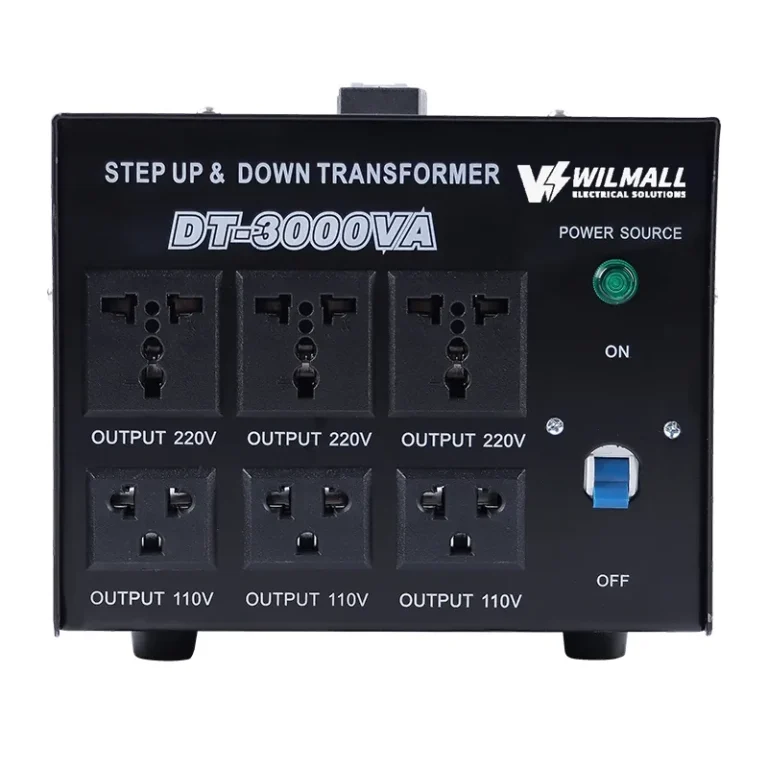
The DT-1000VA is our smaller bidirectional automatic unit and suits home offices, single workbenches and remote stations where a modest load needs to work in either direction without anyone thinking about it. The Variac range at 500VA, 1KVA, 2KVA and 3KVA gives adjustable output on a dial. Bolivian technicians use these to check how an imported machine behaves at 105V or 115V, and to commission equipment where the local supply has its own opinions.
Plugs, Sockets and Earthing
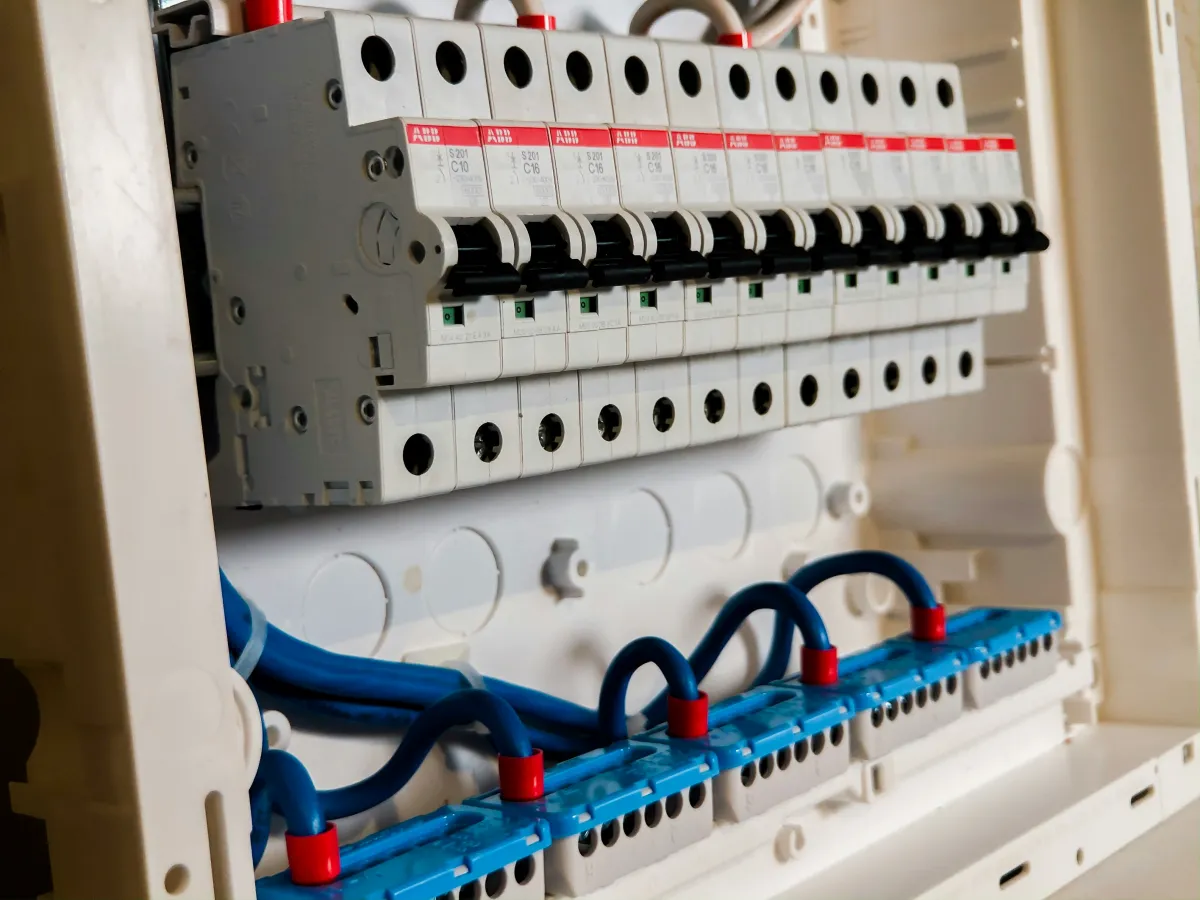
Type A and Type C cover almost everything you will meet, and both are easy for us to fit at the factory. A transformer changes voltage, not plug shape, so your unit needs an input side matching the socket in your building and an output side matching your appliance. Tell us when you order and we build it that way.
Two points on installation, and I will keep them short. First, avoid travel adapters on anything drawing real current. A lightweight adapter rated 6A behind a 2000W appliance gets hot, and heat is how they fail. Second, earthing. In older Bolivian buildings the earth connection is sometimes decorative. If you are installing several units, have an electrician run proper earthed circuits rather than sharing one socket. It costs a little and it is the difference between a tripped breaker and a shock.
MOQ, Lead Time and Getting the Goods into Landlocked Bolivia
Minimum order is 10 pieces, which suits a distributor loading a container and equally a mine or hotel group buying a batch. Production takes 15 to 25 days depending on quantity and whether you need custom labelling. We ship FOB Ningbo or Shanghai, and every unit carries a 12-month warranty.
Bolivia has no sea coast, so your cargo lands in a neighbouring country and travels overland. The two routes most Bolivian importers use run through northern Chile. Arica serves La Paz and the Altiplano, with the frontier crossing at Tambo Quemado and a long climb to 3,600 metres on the Bolivian side. Iquique is the usual choice for Oruro, Potosi and the mining districts. Some eastern cargo moves through Brazilian ports and enters near Puerto Suarez for Santa Cruz, and Peruvian ports such as Matarani serve the north and west of the country.
What that means in practice: budget for a transit leg after the sea leg, allow for Chilean port congestion and customs at the frontier, and factor in that your goods climb a mountain range before they reach you. Packing has to be up to it. We pack units individually with foam and heavy cartons, and for overland routes we can build heavier export packing if you ask for it. Nominate your port and your broker early.
Documents and Customs
On paperwork I will stick to what I know from the factory side. Every shipment leaves with a commercial invoice, a packing list and a bill of lading, and we can supply a certificate of origin. Bolivian importers usually work through a customs broker, and the broker will register the import against your tax identification and want the invoice, packing list and transport documents to agree line for line. Give us his requirements before we issue the invoice and we will match the description, the quantities and the declared values exactly.
Two warnings that come up again and again. Declare the real transaction value, because undervaluation is the most common cause of penalties and holds at Bolivian customs, and the saving is never worth the delay. And make sure the rating on the nameplate matches the invoice and the technical description. Customs officers who deal with electrical goods will check, and a mismatch between a 2000VA nameplate and a 5000VA invoice is a problem you created for yourself.
Ask for the batch test record with your shipment as well. It shows input voltage, output voltage under load and no-load current for the batch your units came from. We test every unit here in Yueqing, so the record reflects a real test, not a template. We also wind with copper rather than aluminium, because at the same rating aluminium runs hotter, and at altitude hot is the last thing you want on a transformer.
What to Send Us for a Quote
You do not need a finished specification. Send the equipment list with watts or amps off each nameplate, a photo of one nameplate if that is quicker, your city and altitude so we can apply the right allowance, the socket type at your wall, whether the load includes a motor or a compressor, whether it runs continuously or in short bursts, your quantity, and your port or entry route. From that we can size the unit and give you a delivery window, usually the same working day.
Two pages on our site may help while you put that together. Bolivia shares equipment patterns and grid habits with its neighbour, and our Step Down Transformer for Peru: 220V to 110V Guide covers a similar market, including the port routes into the Andes. If you are still deciding between stepping down, stepping up, or one box that does both, our page on step up & down transformers explains it without jargon. There is also a set of voltage guides by country on the site covering sockets, supplies and ports for a good many markets.
If you are not sure, send the list anyway. Sizing a step down transformer for Bolivia, altitude included, is routine work for us, and ten minutes of messages beats importing the wrong capacity up a mountain.
Bolivia Transformer Questions Buyers Ask Most
These arrive in our inbox every week, and here they are answered the way I would answer them on a call.
Why do I need a bigger transformer at high altitude in Bolivia?
Thin air carries less heat away, so a transformer running at 3,600 metres gets hotter than the same unit at sea level, and thinner air also breaks down at lower voltage. For sites above 2,000 metres we advise one size up, and above 4,000 metres with continuous loads, one size up again with good ventilation.
Bolivia uses Type A sockets, so can I plug my American 110V appliance straight in?
No. Type A is the same plug shape as North America, but Bolivian sockets carry 220 to 230V. Pushing a 110V appliance into one usually destroys it. You need a step down transformer. The matching plug is exactly why people get this wrong, so check the appliance nameplate before you plug anything in.
Which ports do you ship to for Bolivia and how long is the transit?
Bolivia is landlocked, so cargo lands in a neighbouring country and travels overland. Arica serves La Paz and the Altiplano, Iquique suits Oruro and the mining districts, Matarani covers the north, and some eastern cargo enters from Brazil near Puerto Suarez. Allow for the sea leg plus an overland leg and frontier customs.
Will 60Hz American equipment run on Bolivia’s 50Hz supply?
Through a step down transformer you get a clean 110V at 50Hz. Electronics will not notice. Induction motors, including fridge compressors, pumps and some tools, run roughly 17 percent slower and warmer. On mine sites where equipment runs continuously, that matters, so send us the nameplate and we will tell you what we expect.
What documents come with a transformer shipment to Bolivia, and do you supply a test record?
Every shipment includes a commercial invoice, packing list and bill of lading, and we can supply a certificate of origin. Your customs broker will tell you what else he needs, so send us his list before we issue the invoice. We also include the batch test record showing input voltage, output under load and no-load current.
Send us your equipment list and we will size it for you. Tell us what 110V equipment you run, your city and altitude, whether the load runs continuously, and your quantity. We will come back with a recommended unit, a quantity and a price, normally the same working day.
Or talk to us directly: WhatsApp +86 197 3022 6757 · Email sales@wilmall.com
MOQ 10 pcs · Lead time 15-25 days · FOB Ningbo or Shanghai · 12-month warranty