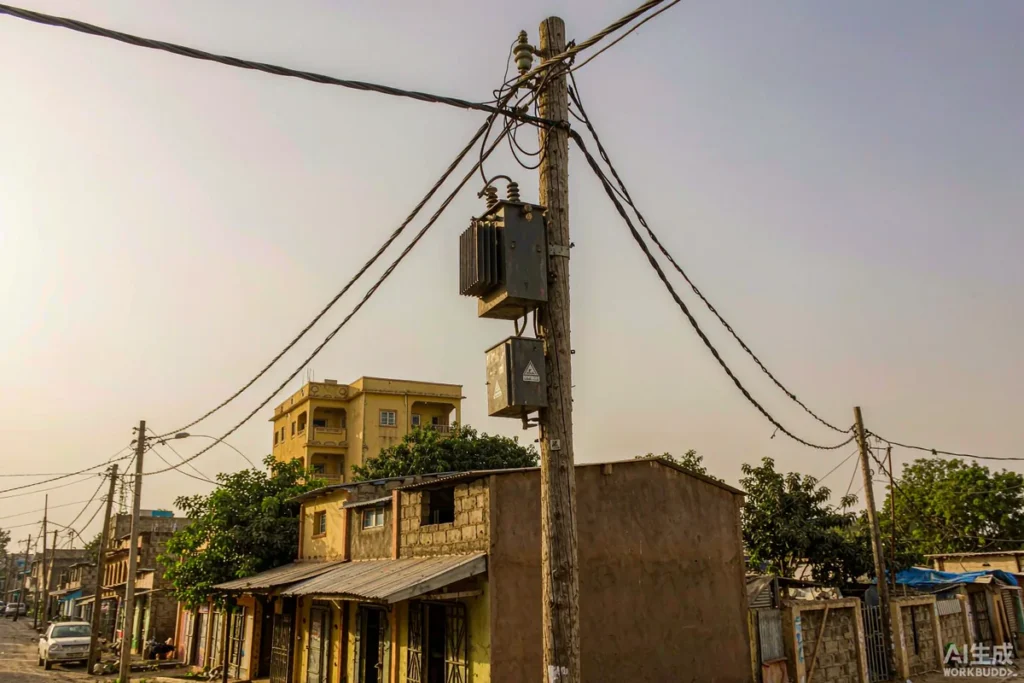
West Africa Voltage Guide: Using US 110V Appliances in Nigeria, Ghana and Beyond
West Africa is where voltage planning pays off the most, because the region mixes British-style 230V mains, French-style 230V mains, and one country, Liberia, that runs on the American 120V 60Hz system. Add unstable supply and generator power into the mix, and a “simple” step down transformer decision becomes a real engineering choice. This guide walks through each major market so you can buy the right equipment once.
The Voltage Reality Across West Africa
Almost the whole region is nominally 230V at 50Hz, following the European standard, but the practical quality of that supply is where West Africa separates from Europe. Voltage swings, frequency drift and outages are common enough that serious appliance buyers plan for them. Here is the country-by-country picture we use for export orders:
| Country | Nominal Voltage | Frequency | Plug Types | US 120V Appliances |
|---|---|---|---|---|
| Nigeria | 230V | 50Hz | D, G | Need 230V to 120V transformer |
| Ghana | 230V | 50Hz | D, G | Need 230V to 120V transformer |
| Senegal | 230V | 50Hz | C, D, E | Need 230V to 120V transformer |
| Côte d’Ivoire | 230V | 50Hz | C, E | Need 230V to 120V transformer |
| Liberia | 120V | 60Hz | A, B | Plug in directly |
| Sierra Leone | 230V | 50Hz | D, G | Need 230V to 120V transformer |
| Benin / Togo | 220V | 50Hz | C, E | Need 220V to 120V transformer |
| Guinea | 220V | 50Hz | C, F, K | Need 220V to 120V transformer |
Liberia is the outlier, and it makes sense historically: the country was settled by freed Americans and built its grid on the US pattern, 120V 60Hz, with US-style sockets. If you are moving US appliances to Liberia, you are done, just bring plug adapters for older buildings. Everywhere else in the region, US 120V equipment needs a step down transformer from the local 220/230V mains.
Why Unstable Supply Changes Your Transformer Choice
Here is the part that generic online guides miss. In Lagos or Accra, the mains voltage does not sit quietly at 230V. It can sag toward 150V in a brownout or spike after a blackout when the grid restores. A transformer alone does not fix that; it only changes the ratio. If the input drops, the output drops with it, and your 120V appliance sees 90V. If the input spikes, your appliance sees more than it should.
So the equipment list for a serious US-appliance setup in West Africa looks like this:
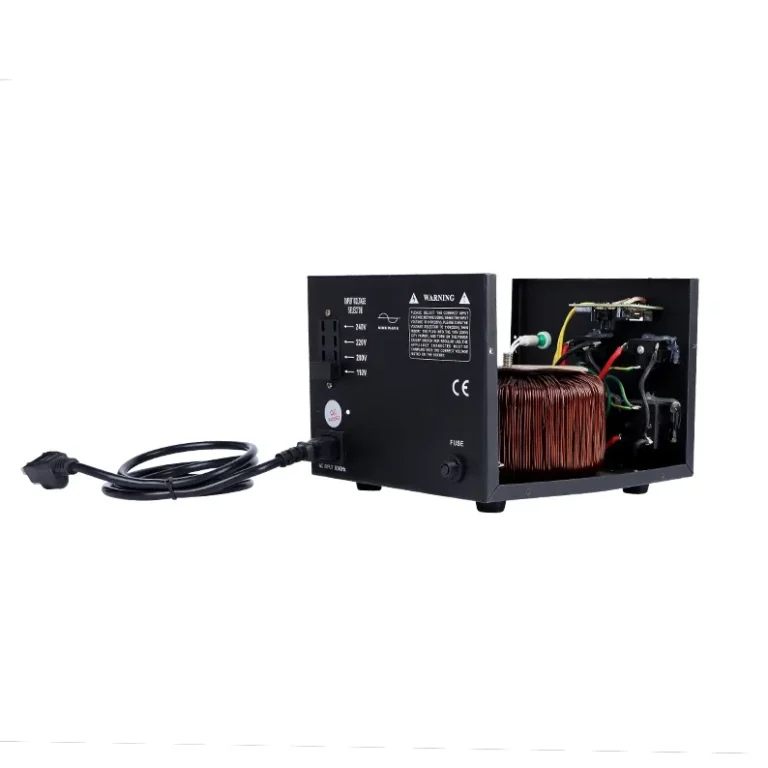
- A step down transformer (230V to 120V) rated for your appliance load with a healthy margin.
- A voltage stabilizer or AVR on the input side if your area has frequent brownouts. This keeps the transformer input near 230V so the output stays near 120V. Many of our West African buyers order the two together and wire the stabilizer first.
- Surge protection on the output side, because generator changeovers and grid restorations throw spikes that damage electronics. A quality surge strip between transformer and appliance is cheap insurance.
For generator users, one more point: inverter generators produce cleaner power than older brush generators, and they hold frequency better under load. If your generator is the older type and the frequency wanders, appliances with motors will complain regardless of the transformer. Our practical advice is to run a stabilizer plus step down transformer and keep motor loads modest on generator supply.
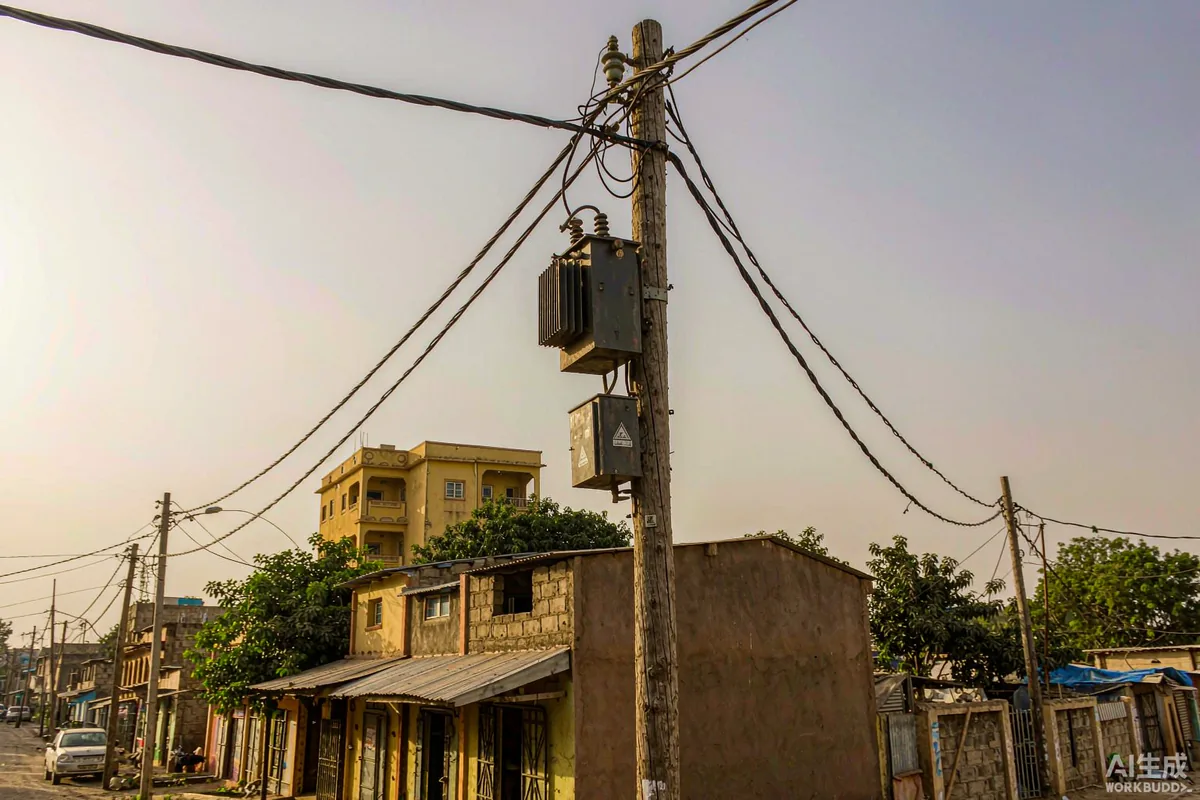
Sizing for the Appliances West African Buyers Actually Bring
The appliance mix in West African expat and returnee households is consistent enough that we can give you the standard answers. The calculation is the same everywhere: watts × 1.25 for heating and electronics, × 2 minimum for anything with a motor or compressor.
| Equipment Set | Example Load | Recommended Transformer |
|---|---|---|
| TV + decoder + game console | ~500W | 1000VA (230V to 120V) |
| Kitchen: blender + kettle + toaster | ~2000W if simultaneous | 2000VA or 3000VA |
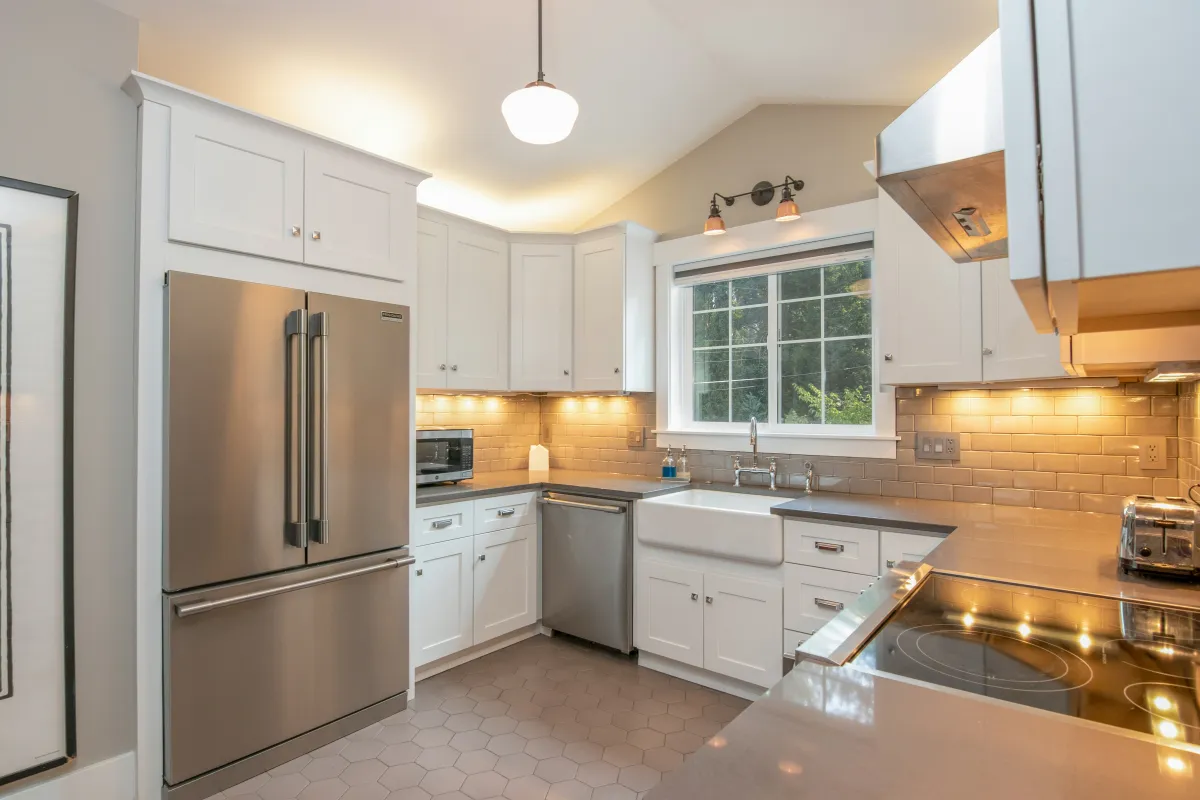
| US refrigerator / freezer | ~700W run, ~2100W surge | 3000VA |
| Deep freezer + refrigerator | ~1400W run combined | 5000VA |
| Water pump (US 120V type) | ~1000W run, up to 3000W surge | 5000VA |
| Welding / power tools | check duty cycle | 5000VA minimum, consider 3-phase input if commercial |
If your plan is one transformer for the whole house, add everything you will switch on together and buy one size up. Whole-house units in the 3000-5000VA range are our best sellers to West Africa for this reason. If you are not sure, send the appliance list to the factory and we will size it for you before you order.
British vs French Plug Legacy, and What to Order
West Africa splits into a British-influenced zone and a French-influenced zone, and the sockets tell you which one you are in. Nigeria, Ghana and Sierra Leone use the British BS 1363 three-rectangular-pin socket (Type G), with many older installations still carrying Type D round three-pin. Senegal, Côte d’Ivoire, Benin, Togo and Guinea follow the French pattern, Type C and Type E round-pin sockets.
For the transformer input plug, tell us the country and we fit the right one: a Type G plug for Nigeria or Ghana, a Type E or C for Senegal or Côte d’Ivoire, and so on. The output side is always a US NEMA socket so your US appliance plugs straight in. If you will move between countries later, ask for a detachable input cable set so one transformer serves both plug zones.
Commercial and Industrial Loads in West Africa
If you are buying for a business, not a house, the conversation changes. Bakeries, hotels, workshops and cold stores across the region run three-phase equipment, and our advice there is to work from the machine nameplates, not from guesses. A hotel in Abuja putting in US-sourced kitchen equipment needs a properly rated step down transformer bank, and we usually recommend an isolation transformer for medical or lab equipment because it cleans the supply and breaks the ground loop, which stabilizers do not do.
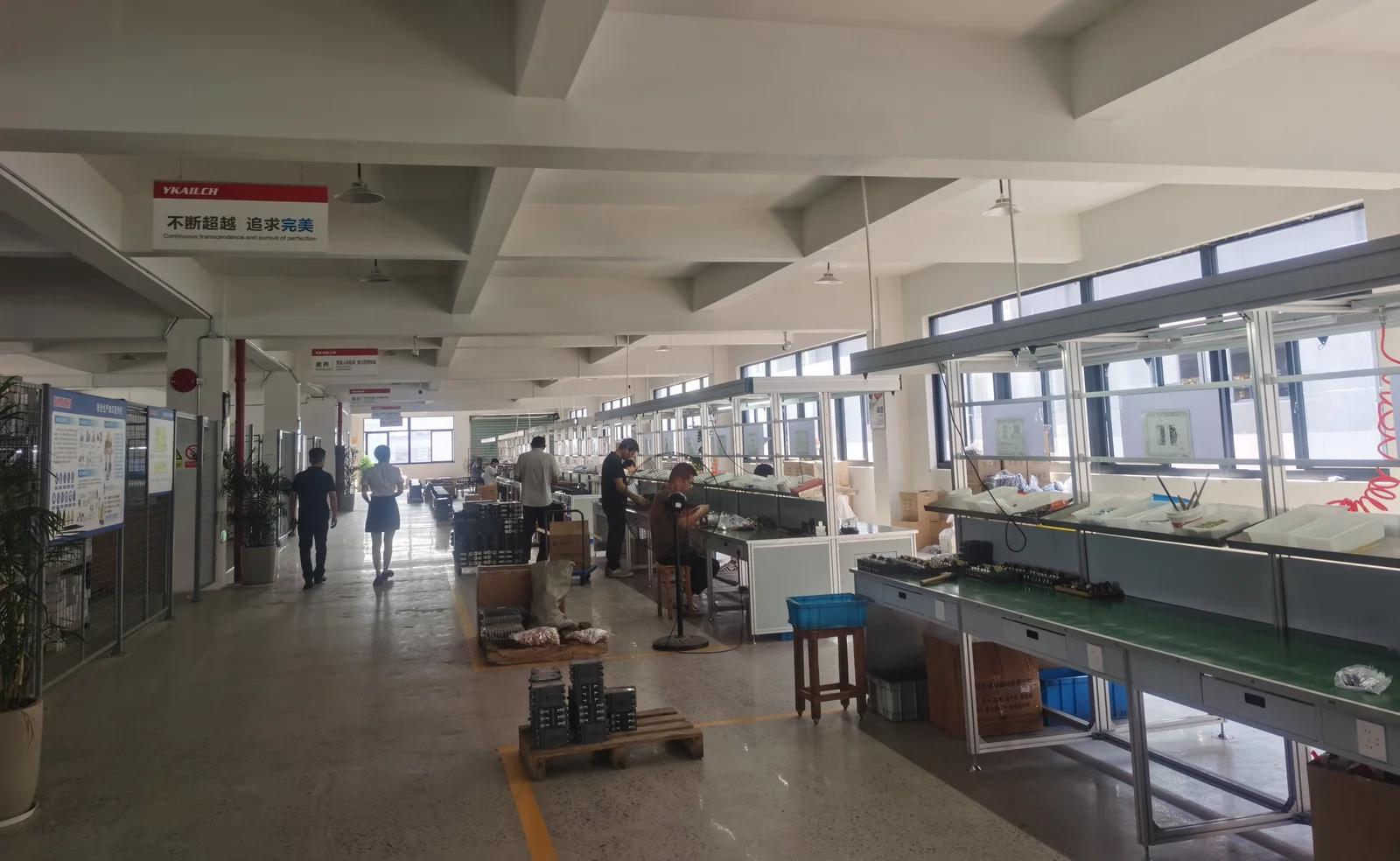
For commercial quantities our MOQ is 10 pcs, lead time 15 to 25 days, FOB Ningbo or Shanghai. We have shipped transformer banks to hotels and factories in Nigeria, Ghana and Senegal, and every unit leaves with a test record and the CE certificate your customs broker needs.
Generator Power: Running US Appliances Off a Generator in West Africa
Because grid supply in much of West Africa is intermittent, many households and small businesses run appliances from generators for hours a day, and the transformer question gets an extra layer. The first rule is to match the generator to the transformer, not the other way around. A generator rated in watts should be selected so its continuous output covers the transformer rated VA plus 20%, because transformers are not perfectly efficient and motor starts inside the house demand headroom from the generator too.
The second rule is to prefer inverter-type generators for electronics. Older brush generators can produce frequency swings and voltage spikes that stress both the transformer and the appliances behind it, while inverter generators hold 50Hz steady under load. If your generator is the older type and you cannot change it, at minimum keep the surge strip between the transformer output and your electronics, and avoid running the generator at its absolute maximum for long periods.
The third rule concerns changeover: when the grid comes back and the changeover switch throws, the voltage can spike for a moment. A stabilizer on the transformer input absorbs most of that, and it is the reason we keep recommending the stabilizer-plus-transformer combination for West Africa rather than a bare transformer. It costs a little more and removes the most common cause of appliance damage in the region.
One final point that surprises first-time buyers: transformers are heavy and sea freight charges by weight, so a 5000VA unit for West Africa is normally shipped alone or with other heavy cargo rather than mixed with light goods. We pack, palletize and strap for the voyage, and the packing list notes the unit weight for your freight quote, so there are no surprises at the port.
Frequently Asked Questions: West Africa Voltage and Transformers
For commercial buyers in the region, one more design point: three-phase availability varies sharply between countries and even between neighbourhoods. Nigeria and Ghana have three-phase in most industrial areas, while smaller towns may offer single-phase only, so a hotel or cold store plan must start from the utility supply, not from the machine list. When the site has three-phase, we supply three-phase step down transformer banks and can advise on the delta or wye configuration your equipment needs; when it does not, the machine list has to be reworked rather than forced through a phase converter. Send us the supply details and the machine nameplates together and the answer comes back in one reply.
Whichever country you are shipping to, the ordering path is the same: appliance list, destination country, and your actual supply voltage if you know it. With those three inputs we confirm the transformer size, the stabilizer need, the input plug and the lead time in a single reply, and the unit arrives wound, tested and documented for exactly that address.
What voltage is used in West Africa?
Nearly all West African countries use 220-240V at 50Hz: Nigeria and Ghana run 230V, Senegal and Côte d’Ivoire 230V, Benin and Togo 220V. The exception is Liberia, which uses the US system of 120V at 60Hz. US 120V appliances need a step down transformer everywhere except Liberia.
Do I need a voltage stabilizer as well as a step down transformer in West Africa?
If your area has frequent brownouts or generator changeovers, yes. A transformer only converts voltage; a stabilizer holds the input steady. The recommended setup is stabilizer first, then the step down transformer, then a surge strip on the output for your electronics.
What size transformer do I need for a US refrigerator in Nigeria or Ghana?
A US refrigerator running about 700W can pull over 2000W when the compressor starts. Use a 3000VA step down transformer (230V to 120V) for a single unit, and 5000VA if a deep freezer shares the output.
Can I run a 60Hz US appliance on the 50Hz West African grid?
Heating appliances and switch-mode electronics run fine. Appliances with induction motors, such as older refrigerators, pumps or mains-timed devices, will run slower on 50Hz. Check the label for a 50/60Hz rating before connecting a motor appliance.
What plug does a transformer for Nigeria or Ghana need?
Nigeria and Ghana use the British Type G socket (three rectangular pins), with older Type D sockets still common. We fit the input plug to the destination country and keep a US NEMA output socket, or supply a detachable cable set if you will move between countries.
Planning a move or a business setup in West Africa? Send us your appliance list and the country, and we will confirm the transformer, stabilizer and plug configuration from the factory. Email sales@wilmall.com or WhatsApp +86 197 3022 6757.
For single-country detail, see our Kenya, South Africa and Africa-wide 110V vs 220V guides, or start from our step up and down transformer range.