Step Down Transformer for Thailand: 230V to 110V Guide
Thailand runs on 230V at 50Hz, with the nominal voltage officially listed as 220V and the real supply swinging between about 216V and 240V depending on the area and time of day. If you moved from the US or Japan and brought your appliances, every one of them expects 100-120V. You cannot just plug them in. What you need is a step down transformer that takes the Thai 230V mains down to 110V or 120V, and picking the right one is what this guide is about.
Thai Mains Voltage: What You Are Actually Working With
The Thai grid (PEA and MEA, the provincial and metropolitan utilities) nominally distributes 220V, but the practical range that arrives at a Bangkok condo or a Chiang Mai house is 220-240V. Most modern US appliances are rated 120V and tolerate about 110-125V, so the transformer output should be 110V or 120V, not 100V (that is the Japan spec) and not 127V (that is the Brazil spec).
The frequency is 50Hz, which is worth a moment of attention. US appliances built for 60Hz usually run acceptably on 50Hz for resistive loads like heaters, and for switch-mode electronics the frequency barely matters. But for any appliance with an induction motor or a timing function tied to mains frequency, running it on 50Hz through a transformer means it runs about 17% slower than designed. That matters for turntables, some mixers, and anything with a synchronous clock motor. Check the label for “50/60Hz” or “60Hz only” before you spend money on a transformer for it.
Which US Appliances in Thailand Actually Need a Transformer
Not everything needs one. Before you buy, sort your appliances into three piles:
- No transformer needed: Phone and laptop chargers, and any power supply marked “100-240V” or “100-240V ~ 50/60Hz”. These are universal input and run happily on Thai mains with just a plug adapter for the socket shape.
- Transformer needed: Anything with a fixed 120V input: hair dryer, curling iron, blender, coffee maker, microwave, refrigerator from the US, gaming console (check the label; newer consoles are universal but older units are 120V only), TV, sound bar, robot vacuum, power tools.
- Think twice: US washers, dryers, and large appliances. A 120V washer is rare (most US washers are 120V but dryers are 240V), and the running load plus start surge can push you into the 3000-5000VA range. Do the math before ordering.
Here is the sizing table we send Thai buyers most often. The rule behind it: watts × 1.25 for heating and electronics, watts × 2 minimum for motors and compressors, then round up to the nearest standard VA.
| US Appliance | Nameplate Load | Recommended Unit (230V to 120V) |
|---|---|---|
| Hair dryer (US 1875W) | ~1875W | 2000VA |
| Gaming console + 55″ TV + sound bar | ~700W total | 1000VA |
| US refrigerator | ~700W run / ~2100W surge | 3000VA |
| Coffee machine + kettle (not both at once) | ~1500W | 2000VA |
| US air conditioner (window type) | ~1200W run / up to 3600W surge | 5000VA |
If you run several appliances from one unit, add the VA numbers. A common Bangkok expat setup is TV, console and a small kitchen appliance; that lands at 2000VA comfortably, and 3000VA if a refrigerator joins in.
Sockets in Thailand: Plug Shapes and Adapters
Thai sockets accept the two flat pins of a US plug (Type A) directly, and most also accept Type B (two flat pins plus round ground) and Type C (two round pins). The newer Thai standard outlet, Type O (TIS 166-2549), is three flat pins in a triangle and is appearing in new buildings, but the older sockets still accept your US plug.
That means for a transformer on the Thai mains side you normally need nothing exotic: our units can ship with either a Thai-style flat-pin input plug or simply with a US-style plug that fits the Thai socket, since Type A fits both. The output side is a US NEMA socket for your US appliance. If your building has the new Type O outlets only, tell us and we fit the matching input plug, no charge.
What We Do Differently on Thai Export Units
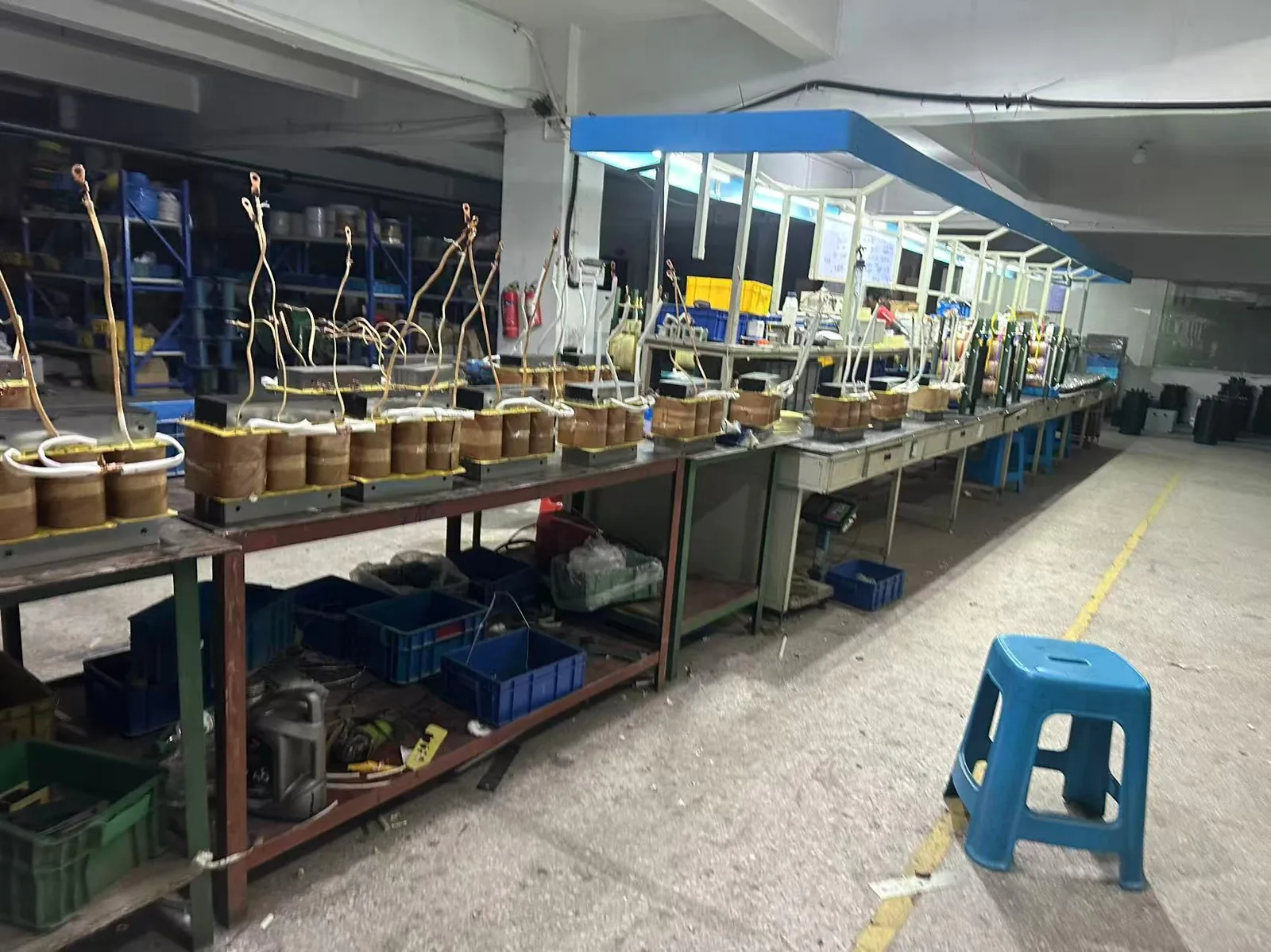
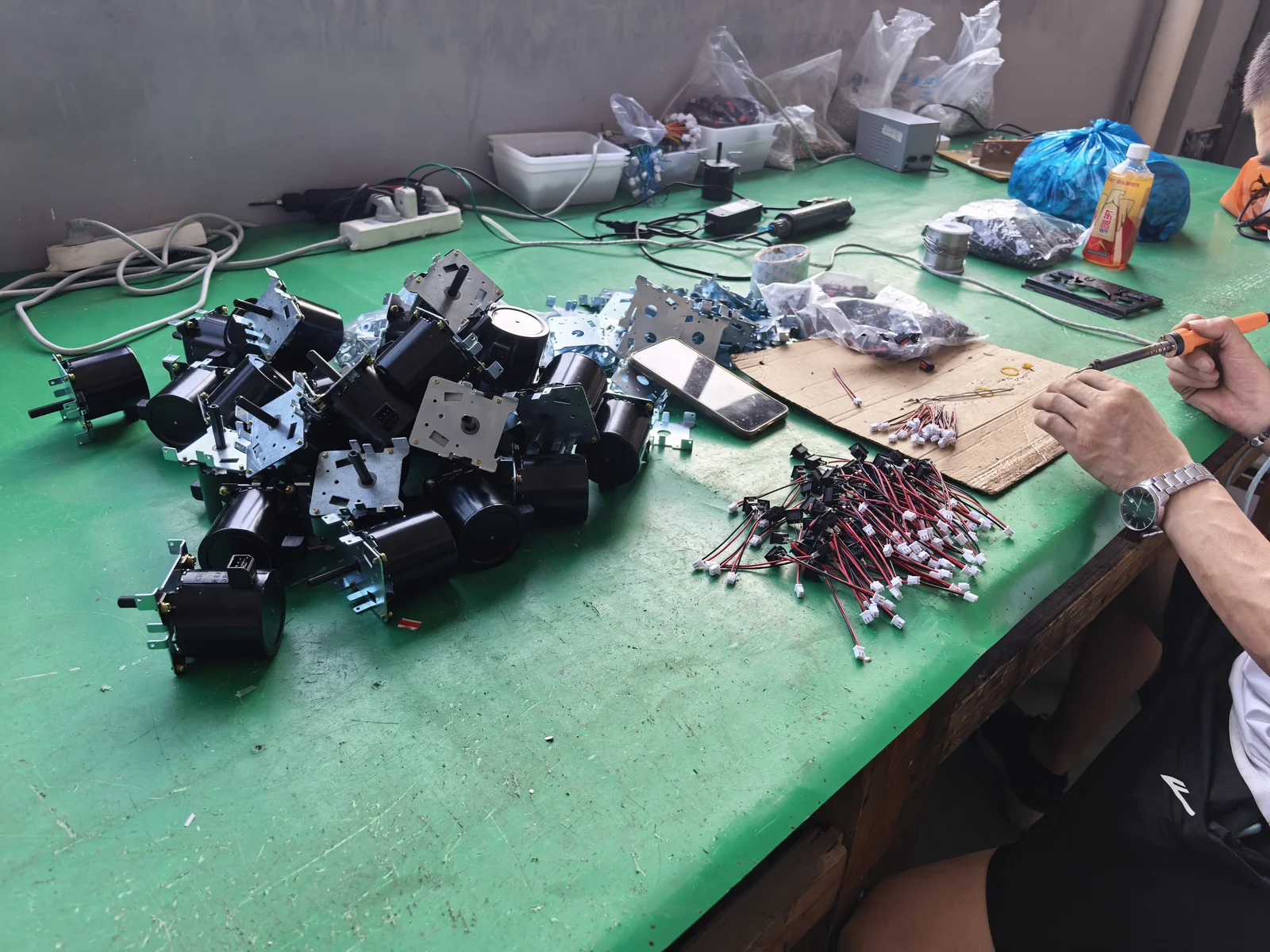
Transformers are simple devices, but the details decide whether yours lasts a decade or dies in a year, especially in tropical heat. Every unit we build for Thailand gets the same treatment we give our domestic and other export orders:
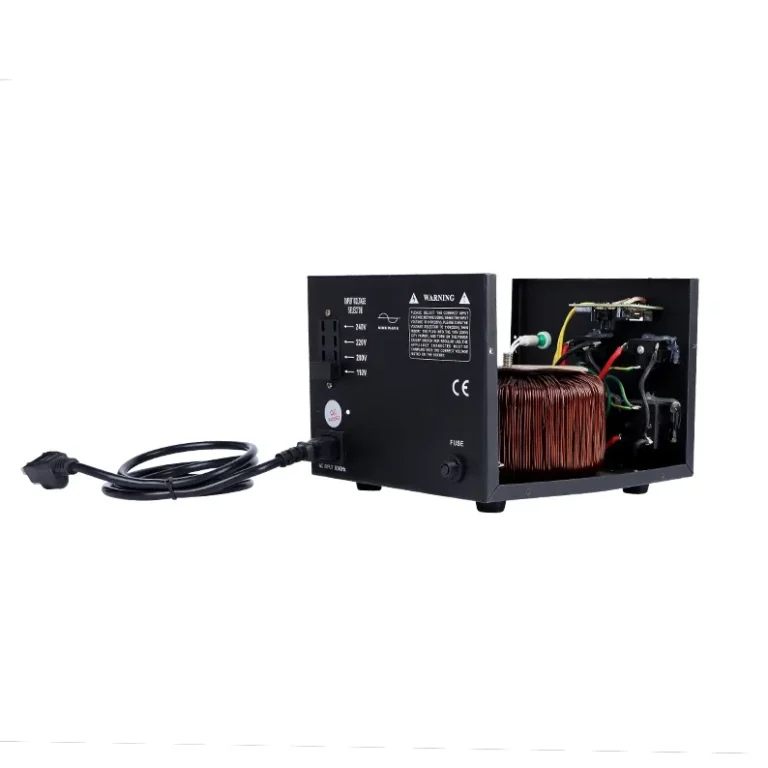
- Copper winding, sized honestly to the VA rating, with the core cross-section matched so the unit does not run at the edge of saturation.
- A thermal cutoff that disconnects the output if the unit is overloaded, instead of letting the winding cook.
- Input and output terminals clearly marked, plus a built-in thermal protection and a resettable breaker option on larger sizes.
- A 100% test record: input voltage, output under full load, no-load current and temperature rise are measured and photographed, and the test sheet travels with the unit.
If you are buying for a Thai address, also consider ordering a surge protection outlet or power strip for the transformer output. Thai mains in storm season carries spikes that no transformer filters out, and protecting a $2000 appliance with a $15 power strip is plain common sense.
Importing a Transformer into Thailand
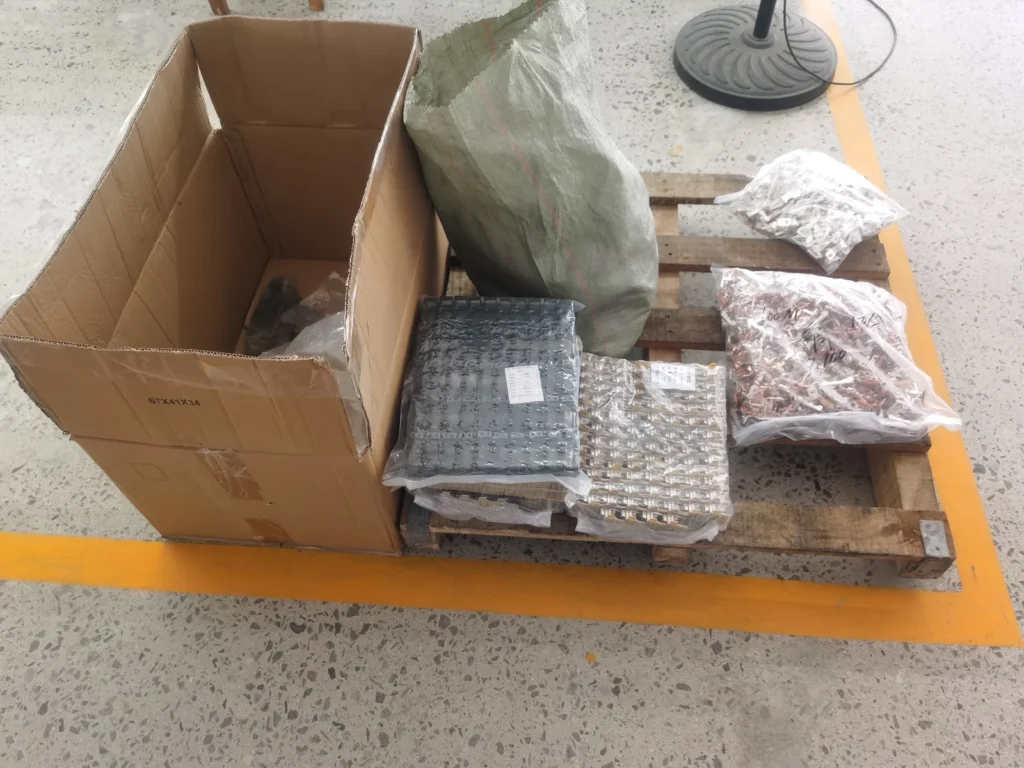
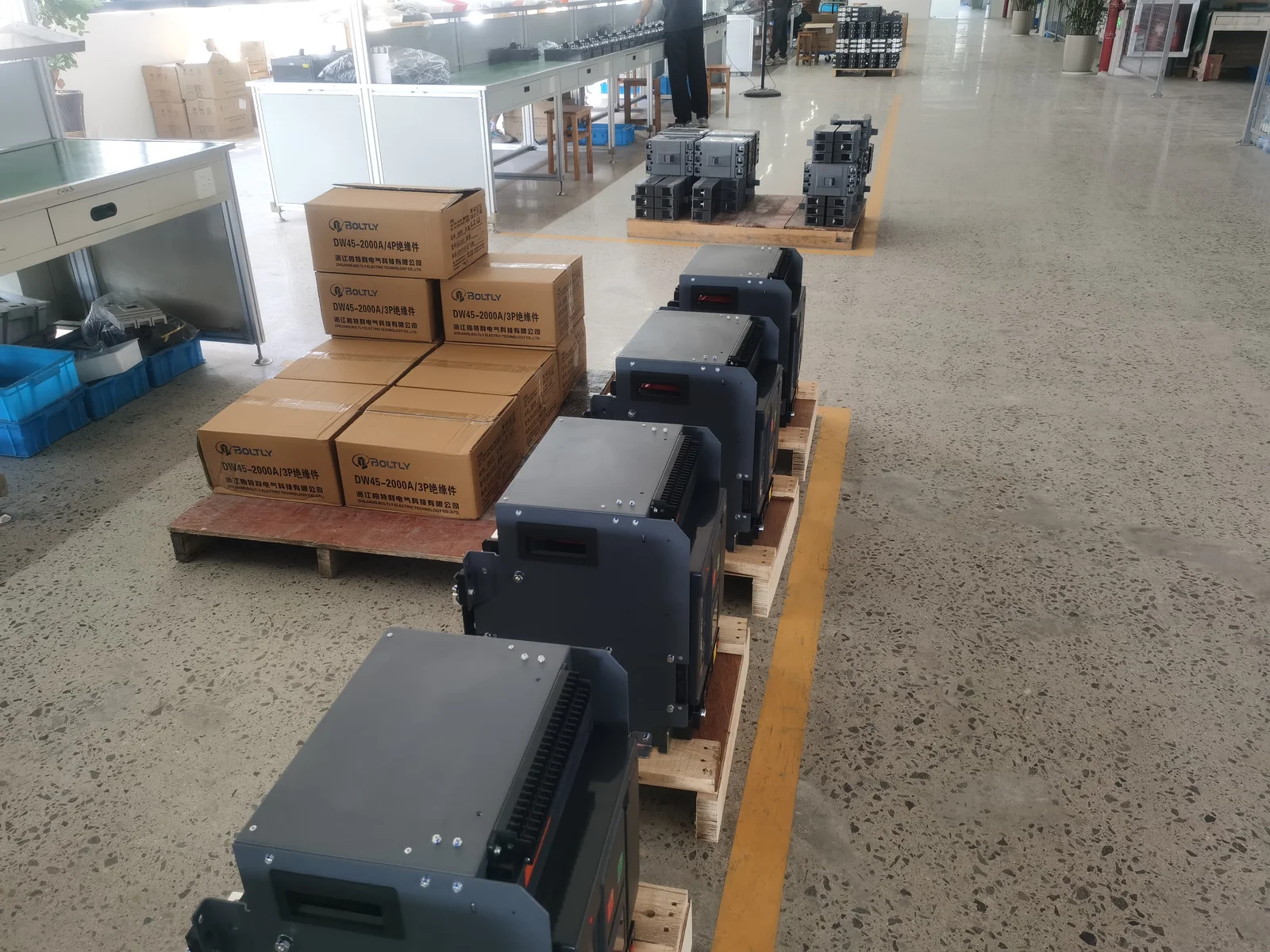
A single transformer for your own use is a normal personal import. Couriers handle it routinely, and Thai customs does not treat small step down transformers as controlled goods. For a single unit we ship by air, for volume (MOQ 10 pcs for resellers) we ship by sea FOB Ningbo or Shanghai.
Standard lead time is 15 to 25 days after confirmation, depending on the VA size and whether you need a custom output winding or plug. We will give you an exact date before you pay, and we have never once shipped a unit without a test record.
One more reassurance for the careful buyer: a step down transformer is a passive device with no moving parts, so the maintenance is one sentence long. Keep it dry, keep it ventilated, and keep it away from direct rain or humidity, and a copper-wound unit will outlive the appliances it feeds. That is why we can offer a 12-month warranty without hesitation.
Where Thai Buyers Usually Get This Wrong
Three mistakes show up in our Thailand orders more than anywhere else in Southeast Asia. The first is assuming Bangkok condos are wired 110V because the sockets accept a US plug; the sockets accept the plug shape, but the supply is still 220-230V, and a 120V appliance plugged straight in dies almost immediately. The second is buying a transformer on running watts instead of start surge, which shows up the first time a compressor kicks on. The third is ordering the output as 110V and then wondering why a 120V US appliance runs hot; as we explain in our 110V vs 120V guide, motor loads want the 120V output winding.
One more Thailand-specific point: if you run your US appliances through an inverter or a UPS for power cuts, size the transformer before the inverter, not after. The inverter input is the 230V mains, and the transformer belongs on the inverter output only if the inverter produces a clean 230V sine wave. Cheap modified-sine inverters can misbehave with transformer loads, so tell us your setup and we will advise the order of the chain before you wire it.
Frequently Asked Questions: US Appliances in Thailand
If you are moving between condos or back to the US later, buy a unit with a removable input cable rather than a moulded plug. The transformer body stays the same and you swap only the cable for the local plug standard, which saves replacing the whole unit and is why we fit detachable IEC-style input leads on our export models on request. For households that expect to move, it is the single most future-proof choice in the order.
Customs and import allowances are worth a quick check before shipping a large unit into Thailand. A single transformer for personal use is routine, but if you import several units or sell them, Thai customs applies duty by HS code and your shipment needs the commercial invoice and value declaration in order. We prepare all documents in the format Thai brokers expect, and for repeat orders we can keep your product code and packing format on file so the second shipment takes less paperwork than the first.
If you are buying for a holiday home or a short assignment rather than a permanent move, consider renting or borrowing before buying, because the appliance mix changes with the season and a transformer sized for summer visitors may be overkill in the winter months. When the list is stable, buy once and buy right, and keep the unit dry and ventilated, which is the whole maintenance story for a transformer in a tropical climate.
What voltage does Thailand use for household power?
Thailand’s nominal voltage is 220V, with the practical supply ranging from 216V to 240V depending on location, at 50Hz. US 120V appliances need a step down transformer from 230V to 110V or 120V to run safely.
Can I plug a US appliance directly into a Thai socket?
Physically the US two-flat-pin plug fits most Thai sockets, but electrically the 230V Thai mains will damage a 120V appliance. Use a step down transformer unless the appliance label says 100-240V universal input.
What size step down transformer do I need for a US refrigerator in Thailand?
A US refrigerator running around 700W can surge past 2000W at compressor start. We recommend a 3000VA step down transformer for one refrigerator, sized 230V to 120V, with thermal protection for safety.
Do I need a plug adapter in Thailand if I use a transformer?
Most Thai sockets accept the US Type A plug shape, so a transformer with a US-style input plug fits directly. If your building only has the newer Thai Type O outlets, we can fit a Type O input plug on request.
Will a 50Hz Thai supply damage my 60Hz US appliance?
For heating elements and electronics, no. For induction-motor appliances such as older mixers or mains-timed devices, the motor runs slower on 50Hz. Check the label for a 50/60Hz rating; if it says 60Hz only, do not run it on Thai mains.
Bringing a US appliance to Thailand and not sure about the size or the plug? Send us the nameplate photo and your city, and we will confirm the right unit from the factory range of step up and down transformers. Email sales@wilmall.com or WhatsApp +86 197 3022 6757.
For the opposite direction, powering Thai 220V equipment in the US, see our step up transformer for Thailand guide, and for the wider regional picture check voltage in Southeast Asia.