
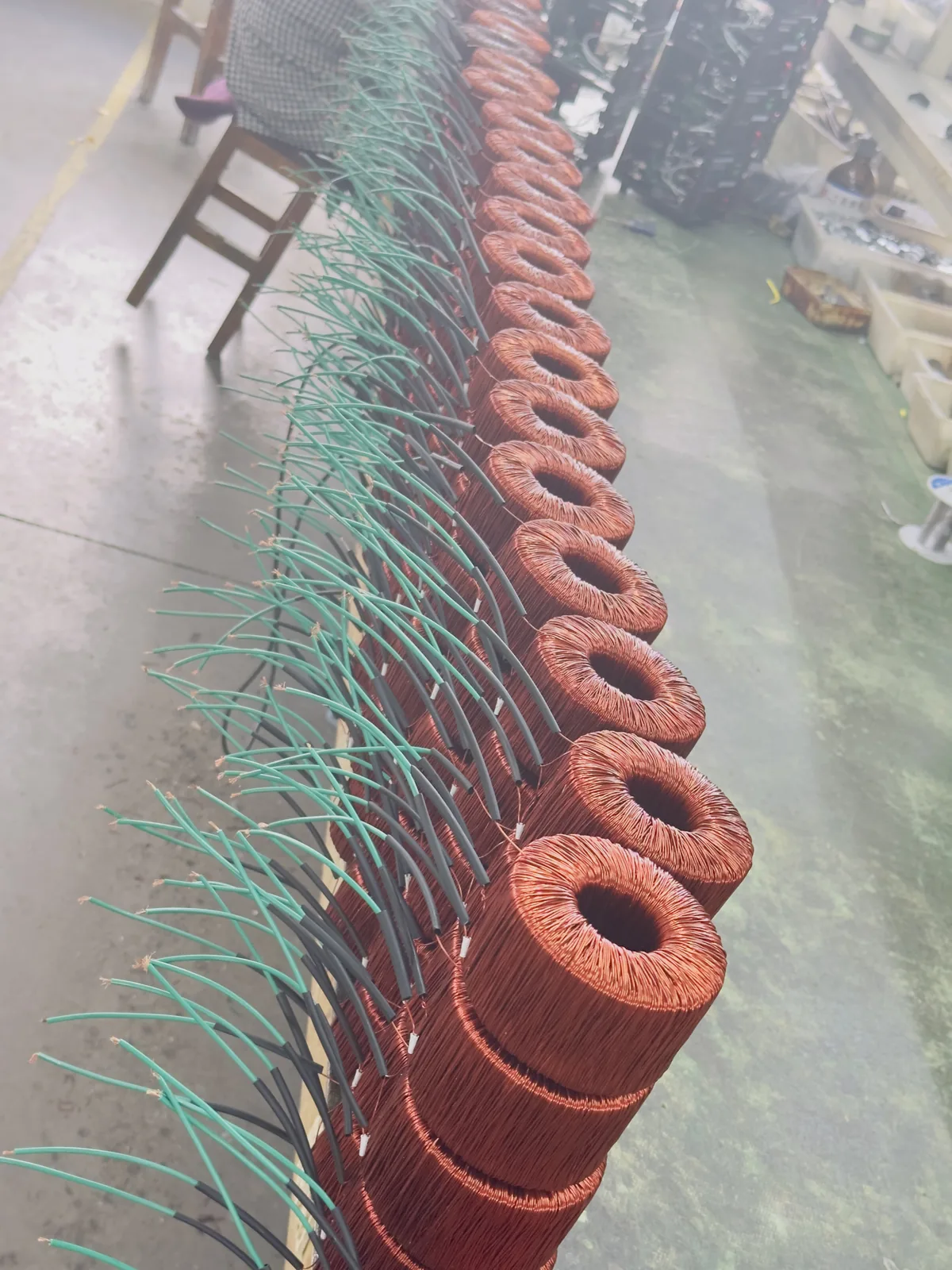
ZBK Rectifier Control Transformer 380V to 110V/36V/24V
A ZBK control transformer is best understood as a BK control transformer with a rectifier added. The transformer side steps mains down to the voltages a…
- Factory-direct pricing, no middleman markup
- Custom voltage, capacity and branding (OEM)
- MOQ from 10 pcs, production 15–25 days
- 12-month warranty with reliable support
A ZBK control transformer is best understood as a BK control transformer with a rectifier added. The transformer side steps mains down to the voltages a control circuit uses, and the rectifier side converts part of that to DC for the devices that need it. You end up with one component that supplies both the AC control voltages for contactor coils and indicator lamps and the DC supply for PLC inputs, solenoid valves, brakes and relays. That saves panel space, saves a separate power supply unit, and removes one more thing that can fail. We build the ZBK range in Yueqing with cold-rolled silicon steel cores and solid insulation, designed for industrial environments where the unit has to shrug off overload and interference and keep running.
Key Specifications
| Specification | Value |
|---|---|
| Product Type | ZBK control transformer with built-in rectifier |
| Capacity Range | 25VA to 5000VA |
| Input Voltage | 380V / 220V AC |
| AC Output Voltage | 220V / 110V / 36V / 24V AC |
| DC Output Voltage | 24V / 12V DC (via built-in rectifier) |
| Frequency | 50Hz / 60Hz |
| Core | Cold-rolled grain-oriented silicon steel, high permeability |
| Winding | Copper, vacuum varnish impregnated |
| Insulation | Solid insulating material, compact design |
| Rectifier | Built in, sized to the DC output requirement |
| Protection | Overload capable, thermal protection |
| Mounting | Panel mount, standard fixing centres |
| Warranty | 12 months, replacement-first |
What You Get
- ZBK control transformer with transformer and rectifier in one unit
- AC control voltages and a DC output from a single component
- Cold-rolled silicon steel core with copper windings, vacuum impregnated
- Compact design with solid insulation, good temperature rise control
- Terminals clearly marked for both AC and DC outputs
- Batch test certificate with every order
- 12-month replacement-first warranty
Why Choose This Model
The practical argument for a ZBK is parts count. A conventional control panel feeds contactor coils and indicator lamps from an AC transformer and then adds a separate switched-mode power supply for the DC side – PLC inputs, solenoid valves, DC relays, brakes and clutches. That is two components, two sets of terminals, two mounting footprints and two part numbers in the spares store. A ZBK does both from one unit, and because the DC side comes from a transformer rather than from a switch-mode supply, it behaves far better electrically. Transformer-based DC is quiet, has no switching noise to inject back into the panel, and tolerates the kind of brief overloads that kill switch-mode units – when a contactor pulls in or a solenoid fires, the inrush is several times the holding current, and a transformer simply absorbs it. The other thing our customers value is temperature rise. The ZBK uses a cold-rolled grain-oriented core and solid insulation in a compact body, and it holds its temperature well in a closed panel, which is exactly where control transformers live and exactly where cheap ones fail. We build it for industrial duty: machine tools, production lines, distribution systems and automation cells.
How to Size It
Size the AC side and the DC side separately and then add them. On the AC side, add the VA of every contactor coil, indicator lamp and relay that can be energised at the same time, and apply a 1.5x to 2x margin for coil inrush, because inrush is what trips undersized transformers. On the DC side, add the steady-state watts of the PLC inputs, solenoids and DC relays, and size the rectifier for the peak. Tell us the full load list and we will size both outputs on one unit. If you already have a panel drawing or a Bill of Materials, send it – that is the fastest way to a firm quote. It also avoids the most common sizing mistake we see, which is adding up the nameplate ratings and forgetting that a contactor coil and a solenoid valve are rarely energised at the same moment. Ask us to check it.
How It Works
The ZBK combines two functions that are usually bought as two separate components. The transformer section is a conventional double-wound control transformer: mains on the primary, one or more low voltage windings on the secondary, galvanically isolated so the control circuit is not referenced to the mains. The rectifier section taps part of that output and converts it to DC with a bridge rectifier and smoothing, sized for the DC load. Why bother, when a switch-mode power supply is cheaper? Two reasons. The first is noise: a switch-mode supply generates high-frequency interference and pushes some of it back onto the supply line, which is precisely the wrong thing to do inside a panel full of analogue sensors and PLC inputs. Transformer-derived DC is quiet. The second is overload tolerance. When a contactor pulls in, its coil draws several times its holding current for a few cycles. A transformer absorbs that without complaint; a switch-mode supply sees it as a fault, folds back or shuts down, and takes the machine with it. That is why control panels in industrial environments still use transformer based control power, and why the ZBK combines it with DC in one unit. There is a third, quieter advantage: service life. A transformer has no electrolytic capacitors to dry out, no switching transistors to fail and no fan to clog with dust. In a panel that is expected to run for fifteen or twenty years with no attention, that matters more than the few dollars saved on the initial purchase.
Typical Applications
- Machine tools and machining centres
- Production lines and automation cells
- PLC control panels and distributed I/O
- Contactor, relay and solenoid valve control
- Motor brakes and electromagnetic clutches
- Power distribution and switchgear control circuits
- Industrial control panels requiring both AC and DC control power
Testing Before Shipment
Every ZBK is tested before shipment. We verify the turns ratio and the AC output voltages under load, then test the DC output separately – output voltage at no load and at rated load, and ripple on the DC side, since excessive ripple is what causes DC relays to buzz and solenoid valves to run hot. We check insulation resistance between windings and from windings to core and frame, confirm the rectifier is correctly rated and terminated, and run the unit at combined AC and DC load until the temperature stabilises inside the design limit. A test report ships with each order. If you need dielectric testing to a specific standard or documentation for a particular market, tell us when you enquire so we can confirm what is available before the order is placed.
Ordering, Samples and Shipping
Ratings from 25VA to 5000VA are built to order with a 10 pcs minimum and a 15-25 day lead time. To quote we need the input voltage, the AC output voltages and their VA, the DC output voltage and its wattage, and the quantity. The fastest route is to send us your panel Bill of Materials or a load list: tell us how many contactors, how many indicator lamps, how many PLC inputs, how many solenoids, and we will size both outputs on a single unit and quote it. If you are replacing an existing transformer, a photograph of the nameplate will usually do. Samples are paid by T/T before production, with the sample cost credited against a subsequent production order. Standard shipping is FOB Ningbo or Shanghai.
Zbk rectifier control transformers, wound and 100% tested in Yueqing, China. MOQ 10 pcs, lead time 15-25 days, FOB Ningbo or Shanghai.
More from This Range
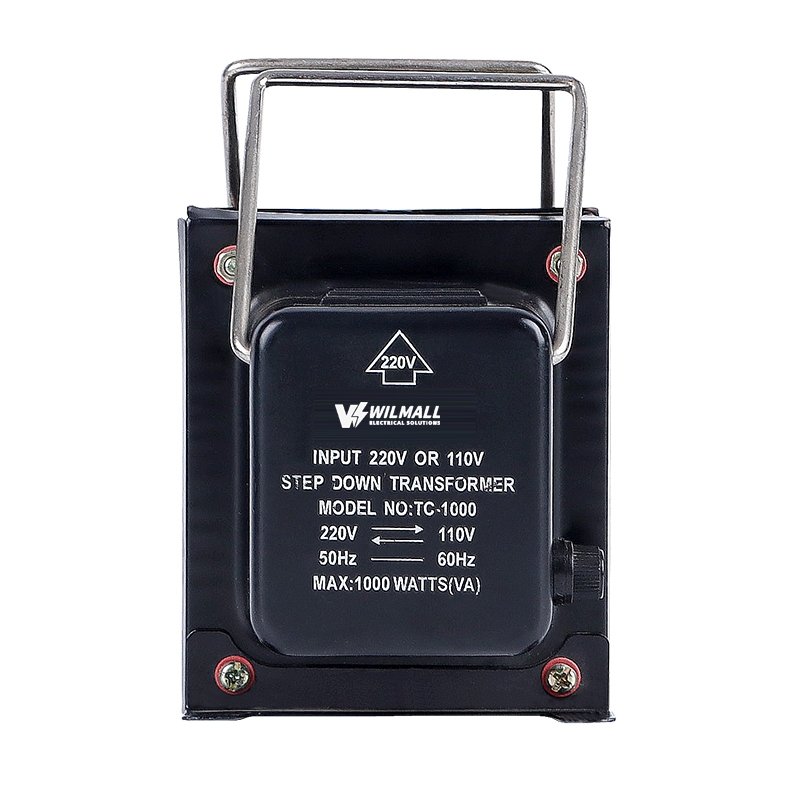 BK Control TransformerAC control power
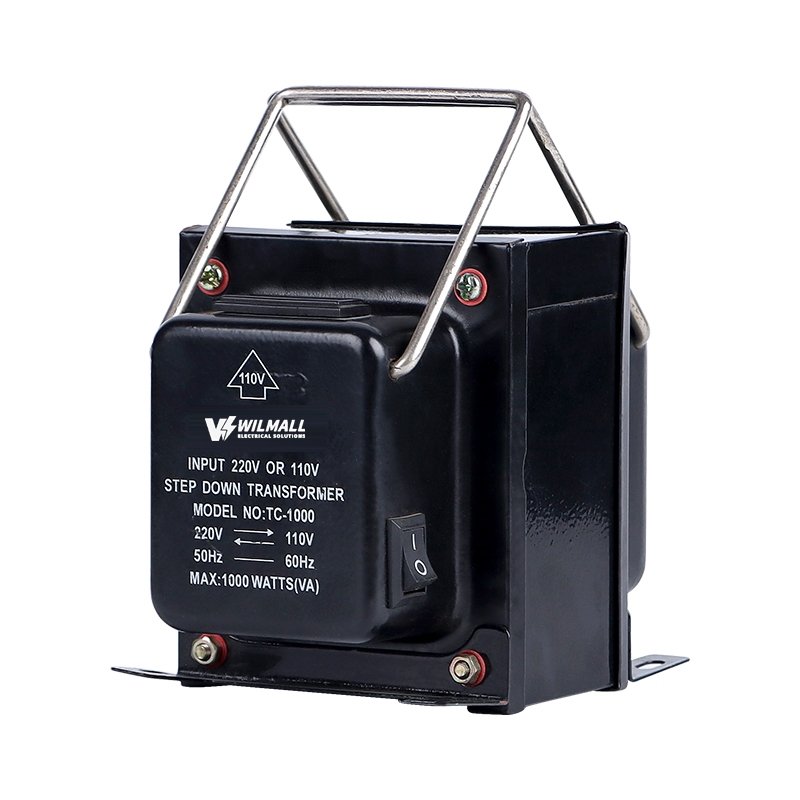 JBK Machine Control TransformerTerminal-board type for machine tools
FAQ
What makes a ZBK different from a BK control transformer?
A ZBK is a BK transformer with a built-in rectifier. It provides the usual AC control voltages for contactor coils and indicator lamps, and also a DC output for PLC inputs, solenoid valves, DC relays and brakes – all from one unit.
Is transformer-based DC better than a switch-mode power supply?
For control panels, usually yes. Transformer-derived DC is quiet, injects no switching noise back into the panel, and tolerates the brief overloads that occur when contactors and solenoids pull in – the kind of inrush that damages switch-mode units.
What voltages does it supply?
Input is 380V or 220V. AC outputs are 220V, 110V, 36V or 24V. DC output is typically 24V or 12V via the built-in rectifier. Custom windings are available on request.
Can it handle coil inrush?
Yes. It is designed for industrial control duty with margin for the several-times-holding-current inrush that contactor and solenoid coils draw when they energise.
What are the MOQ, lead time and warranty?
MOQ is 10 pcs, lead time is 15-25 days, and every unit carries a 12-month replacement-first warranty. Shipping is FOB Ningbo or Shanghai.